
How to Write an Etsy About Section That Sounds Credible (No Fluff)


An Etsy About section is your shop’s quick trust check: a short, concrete story that proves there’s a real maker behind the listings and clarifies what you sell. Lead with a plain one-sentence headline, then add specifics buyers actually scan for, like who you are, what you make and for whom, and what your process looks like (materials, techniques, or design approach). If anyone else helps you produce items, name your shop members and production partners, and back it up with a few behind-the-scenes photos or a simple shop video. The credibility killer is trying to sound “inspirational” while skipping the practical details that answer buyers’ unspoken doubts.
Etsy About section goals buyers care about most
Trust and authenticity signals
Buyers use your Etsy About section to answer one question fast: “Is this shop real, and will I get what I think I’m buying?” The strongest trust signals are specific and easy to verify.
A credible About section usually includes your name (or the team’s names), what you make, and what part you personally do. A short process description helps too. Think materials, tools, and the steps you repeat for every order.
Photos and a simple shop video do a lot of heavy lifting here. A clear workspace shot, a work-in-progress image, and packaging or shipping prep instantly reduce doubt. Etsy also supports adding shop members and disclosing production partners in your About area, which is a major authenticity cue when you have help making items (Shop About section features).
What buyers decide after reading
After reading, most buyers decide:
- Whether your items are handmade, designed by you, vintage, or curated supplies.
- Whether the quality sounds consistent (not “perfect”, but repeatable).
- Whether timelines feel realistic for custom work or made-to-order items.
- Whether they’re comfortable buying from you instead of a lookalike listing.
If your About section makes those points clear, buyers feel safer clicking Add to cart.
Keeping it credible without oversharing
You do not need your life story. You need proof-minded details.
Share what’s relevant to the purchase: your role, your process, and where orders ship from. Keep personal context to one or two lines, like why you started making this product type. Skip anything that can’t be backed up or that raises new questions (vague claims like “best quality” or “luxury” without specifics). Credibility comes from clarity, not intensity.
Brand origin story that feels real, not rehearsed
The moment the shop started
Your origin story should sound like a true beginning, not a brand slogan. One specific moment is usually enough: the first product you made, the first time a friend asked to buy one, or the problem you could not find a good solution for.
Keep it concrete. Mention what you were making, who it was for, and what changed after that. For example: “I made a set of minimalist label stickers for my own pantry, posted a photo, and three people asked if I could make a set for them.” That kind of detail feels believable because it is easy to picture.
If you use any outside help (like a printer, engraver, or cut-and-sew shop), this is also a natural place to say when you started working with a production partner and why. Etsy encourages sellers to be open about manufacturing help as part of the shop story in the About page and listings (manufacturing story guidance).
The mission in one clear sentence
Write one sentence that explains what you do and who it is for. Aim for plain language, not “changing the world” energy.
A good mission sentence includes your product category plus the outcome. Example patterns:
- “I make [product] for [person/use case] who wants [benefit].”
- “I design [style/category] pieces that help you [result].”
Inspiration that connects to products
Inspiration works best when it ties directly to what shoppers see in your listings. Instead of broad inspiration like “nature” or “travel,” name the repeatable connection: color palettes, motifs, materials, or a technique you use.
If you have a signature detail, call it out. Buyers love knowing what to look for across your shop, and it makes your brand feel consistent without sounding salesy.
Meet the maker section that builds instant trust
Shop owner photo and name
Use a real photo of the shop owner (or primary maker) and a real name. It does not have to be a polished headshot. It just needs to look current, clear, and human.
Choose an image that matches what you sell. If you make jewelry, a simple portrait plus a second photo at the workbench works well. If you sell vintage, a photo in your sourcing or sorting space can make more sense than a staged portrait.
Pair the photo with a one or two sentence intro that answers: who you are, where you’re based (general area is enough), and what you do in the business. Example: “I’m Sam, a printmaker in Oregon. I design and hand-pull each edition, then pack every order in my studio.”
Team members and collaborators
If anyone helps you, say so plainly. Buyers are not turned off by a small team. They are turned off by surprises.
List the roles in simple terms: “design,” “sewing,” “laser cutting,” “printing,” “packaging,” “customer messages.” If you use a production partner or outside studio for a specific step, note what they do and what you still control (design, materials selection, quality checks, final packing).
This is especially important for made-to-order work. It helps buyers understand capacity and timelines without you sounding defensive.
Values you stand behind
Values build trust when they show up as actions. Pick two or three that you can prove in your workflow, like:
- Careful material choices (and what you choose instead of)
- Consistent quality checks (what you inspect before shipping)
- Clear communication (response windows, custom approval steps)
Avoid vague claims like “premium quality” or “ethical” with no details. A specific standard, explained in one sentence, reads as confident and credible.
Product making process buyers want to see
Materials and methods you use
Buyers are not looking for trade secrets. They want enough process detail to understand what they’re paying for and what will show up at their door.
Start with your materials. Name the primary material types you use, plus any upgrades that matter (example: solid wood vs. veneer, sterling silver vs. plated, archival paper vs. basic cardstock). If materials vary by listing, say so and point shoppers to the item description for exact specs.
Then describe your methods in plain language. Focus on the steps that affect the final result: sketching, prototyping, cutting, sewing, glazing, engraving, printing, curing time, finishing, or packaging. One short paragraph is usually enough.
If any step is handled by a production partner, be clear about which parts are yours (like design and final inspection) and which parts are outsourced. Etsy gives sellers a place to disclose production partners, and aligning your About section with that disclosure keeps your shop consistent (production partners on Etsy).
What quality control looks like
Quality control is a trust builder when it’s specific. Instead of “I check everything carefully,” say what you actually check.
Examples that read well:
- “I measure each piece before finishing to confirm sizing.”
- “I inspect seams and stress points, then trim and reinforce by hand.”
- “I do a final surface check under bright light before packing.”
If you sell vintage, quality control can mean cleaning, photographing flaws clearly, and testing key functions (zippers, clasps, switches). If you sell digital files, it can mean re-exporting and test-printing or opening files on multiple devices.
Where you create and ship from
Buyers care about location for delivery timing, customs fees, and general peace of mind. Share where items are made and where orders ship from, using a city and state (or region) if you prefer not to be ultra-specific.
If you design in one place and ship from another, explain it in one sentence. Example: “I design in Austin, and orders ship from my small studio warehouse in Round Rock.” This kind of clarity reduces “Where is this really coming from?” doubts, which can lower hesitation and message back-and-forth before purchase.
Etsy About photos and video that prove your story
Best images to include in the carousel
Your About photos should answer “How is this made?” in five quick slides. Etsy lets you upload up to five About photos with captions, so treat it like a mini behind-the-scenes tour, not a product gallery.
A strong set usually looks like this:
- You (or your team) at work: a clear, friendly photo that shows a real person behind the shop.
- Materials close-up: fabric, clay, beads, wood, paper, ingredients, or packaging components laid out neatly.
- Work-in-progress: the most “obviously handmade” moment you can capture, like stitching, glazing, engraving, or pressing.
- Tools and workspace: a clean, realistic view of the area where you create.
- Packing and shipping prep: a finished item being wrapped, labeled, or boxed, so buyers can picture what fulfillment looks like.
Keep captions practical. Name the material, the step, and what it affects (comfort, durability, finish, sizing, etc.). If you need the exact requirements for files and sizing, Etsy lists them in the Shop About section.
Simple shop video that works
A good Etsy shop video is simple: one process, one product, one clear takeaway. Aim for “proof,” not polish.
Show the step that customers cannot easily imagine from photos alone. For example, mixing and pouring, sanding and finishing, hand-stitching, test printing, or final assembly. Natural light and steady framing matter more than fancy editing.
Capturing hands-on making footage
Film tight shots of hands working. Keep the background calm. Let the product and process do the talking.
A quick structure that works:
- 2 to 3 seconds: materials on the table
- 6 to 10 seconds: the key making step
- 2 to 3 seconds: finished item in hand, then packaging or labeling
What makes your shop different without sounding salesy
Unique materials, techniques, or design style
“Different” lands best when it’s observable. Instead of claiming you’re unique, point to the choices that make your work recognizable.
Focus on one of these:
- Materials: “I use vegetable-tanned leather and burnish edges by hand,” or “I print on archival, acid-free paper.”
- Technique: “Each piece is wheel-thrown, then carved after leather-hard,” or “I layer vinyl by hand for a slightly raised finish.”
- Design style: describe your look in everyday words shoppers actually use, like minimalist, rustic, bright and playful, gothic, cottagecore, or mid-century inspired.
If you have a signature detail, name it. Example: a specific clasp style, a color palette, a stitch pattern, or a finishing method you repeat across products. That helps buyers connect listings to your brand without you sounding like an ad.
Custom work and what you will or will not do
Custom orders build trust when the rules are clear. A short boundary statement can prevent most of the “Can you…?” message spiral.
Include:
- What you do customize (size, color, wording, hardware, scent, bundle options).
- What you don’t customize (licensed characters, major redesigns, rush orders, certain materials).
- How approval works (mockup required, message confirmation, photo proof before shipping).
This also supports your Etsy Messages workflow and keeps expectations aligned with what you can deliver consistently.
Capacity and timing expectations stated simply
Capacity is not a weakness. It’s part of being a small business on Etsy. Say what’s true in a calm, straightforward way.
Good examples:
- “Most orders ship in 1 to 3 business days. Made-to-order pieces take 5 to 7 business days.”
- “I release new batches twice a month. If an item is sold out, restocks happen on Fridays.”
Avoid promising exact delivery dates in your About section. Point buyers to the processing time shown on each listing for the most accurate estimate, since Etsy displays processing times and delivery estimates at the item level.
How to edit and format your Etsy About for skimming
Short paragraphs, bolding, and spacing
Most shoppers skim your About section on a phone. Make it easy to catch the key points in under 10 seconds.
Use 2 to 3 sentence paragraphs. Add white space between ideas. If you use bold, keep it light and functional. Bold works best for “scan anchors” like What I make, Materials, Processing time, or Custom options.
A simple structure that reads well:
- 1 sentence: what you make and for whom
- 2 to 4 sentences: your process and materials
- 1 to 2 sentences: how custom work works
- 1 sentence: where you ship from and what you prioritize (quality checks, packaging, etc.)
Trust signals like production partners and links
Trust comes from consistency across your shop. If you work with production partners, make sure your About story matches what buyers see on listings. Say what you do (design, sourcing, finishing, QC) and what your partner does (printing, engraving, cutting, etc.). Keep it factual.
If you reference policies, do it with plain language, not legal text. For example: “Returns are set per item. Please check the listing page for the exact policy.” Then make sure your Etsy policy settings are actually filled out and current in Shop Manager (Shop Policies).
Customer service standards worth stating upfront
Only state standards you can reliably meet. Two or three are enough. Good ones for an Etsy About section:
- Your typical message response window (example: “within 1 business day”).
- How you handle personalization (proofs, confirmation, character limits).
- What you do if something arrives damaged (photos, replacement vs. refund path).
Keep the tone calm and confident. It should feel like guidance, not a warning label.
Related posts
Keep reading
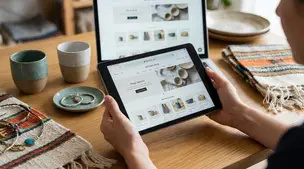
Etsy Featured Listings: How to Curate Your Shop Homepage
Etsy featured listings help spotlight bestsellers on your Shop Home; pick 4 (or sections), order them for cohesive photos, and rotate a queued set for seasons.
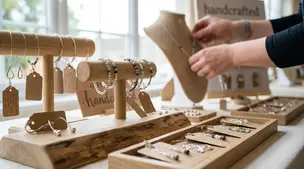
Selling Jewelry on Etsy: Metal Disclosure and Allergy Considerations
Selling jewelry on Etsy: List exact metals, flag nickel sensitivity, and support hypoallergenic wording with supplier docs or testing to reduce buyer issues.
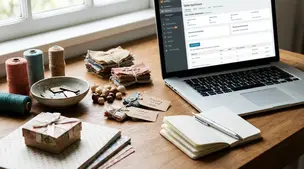
How to Use Etsy “Materials” and “Occasion” Fields Strategically
Etsy Materials and Occasion fields can boost visibility when chosen for buyer filters; match category, avoid guesswork, and align tags with real intent.

Etsy SEO Tips to Rank Higher in Search
Happy Etsy SEO tips for sellers: master keywords, titles, tags, photos, reviews, free shipping, and conversions to rank higher in Etsy search and boost sales.

How to Outsource Parts of Your Etsy Business (When It’s Worth It)
Outsource parts of your Etsy business with clear cost math, task checklists, and Etsy-compliant production partners so quality and margins stay intact.

Can You Run Two Etsy Shops Under One Name? (Rules + Best Practices)
Two Etsy shops under one name: Etsy allows more than one shop, but each needs its own account, unique shop name, public profile disclosure, plus clean branding.