
How to Break Even Faster on Etsy


To break even on Etsy faster, focus on the simple math: every order needs to cover your fixed costs plus the true per-item cost to fulfill it. Start by calculating a realistic cost of goods for each listing, including materials, labor time, packaging, shipping you cover, and the Etsy fees that come out of the total order. Then shorten the timeline by improving your contribution margin per sale: raise prices where your photos and positioning support it, bundle add-ons to lift average order value, and cut waste or production time without lowering quality. One of the quickest ways sellers fall behind is treating “free shipping” and ad-driven orders as free, too.
Break-even math for Etsy shops using profit per order
Fixed vs variable expenses to include
Break-even gets simple when you separate fixed costs (you pay them even with zero orders) from variable costs (they happen because an order happened).
Fixed costs to track for your Etsy shop often include things like design software, business insurance, tools and equipment payments, workspace rent, and any monthly apps or subscriptions. Add these up into one monthly number.
Variable costs usually include materials, blanks, packaging, shipping you cover, and your payment and marketplace fees. If you make physical products, also include the “hidden” variables that pile up fast: label paper, thank-you cards, test prints, damaged goods, and remakes.
Your goal is to know your profit per order (also called contribution margin):
Profit per order = Order revenue – Variable costs
Once you have that, break-even is just a target to hit, not a mystery.
Etsy fees and payment processing assumptions
Etsy fees matter because they are tied to the order total, not just your item price. In the US, Etsy charges a $0.20 listing fee per listing, and a 6.5% transaction fee on the total order amount, including shipping and gift wrap if you charge for them. Etsy Payments adds payment processing fees, which are country-based. For US bank accounts, it is 3% + $0.25 per order. The cleanest way to stay current is to base your math on Etsy’s own fee pages like Etsy Fee Basics.
Also plan for “sometimes” fees. If a sale is attributed to Offsite Ads, Etsy charges an additional fee (commonly 12% or 15%, depending on your last-12-month shop revenue), capped per order.
Break-even units and revenue targets
Start with your monthly fixed costs, then divide by your average profit per order:
Break-even orders = Fixed costs ÷ Profit per order
Example: If fixed costs are $300/month and you profit $10 per order after all variable costs and fees, you need about 30 orders to break even.
Revenue targets are secondary. If you want them anyway:
Break-even revenue ≈ Break-even orders × Average order value
This is why improving margin and average order value often gets you to break-even faster than chasing more traffic.
Product selection that reaches profitability faster on Etsy
Validating demand with Etsy search and trends
The fastest path to profitability on Etsy usually starts with choosing products that buyers already search for, and where you can compete on quality, style, or personalization.
A practical way to validate demand is to use Etsy’s own search data before you invest. In Shop Manager, Marketplace Insights lets you check keyword-level search activity and see how many listings are competing for that phrase, based on recent Etsy search data. That helps you avoid building a product around a keyword that sounds nice but gets little traffic, or jumping into a term where competition is overwhelming. You can also use it to spot “adjacent” keywords that fit your product but have a better demand-to-competition balance. (Marketplace Insights lives under Shop Manager → Stats.)
For bigger seasonal swings, Etsy publishes trend and seasonality content in the Seller Handbook, like the Seller Trend Report, which can help you plan launches and refresh tags and photos ahead of demand spikes.
Digital vs physical products for quicker margins
Digital products can reach break-even faster because variable costs are often lower. There is no shipping bill, no packaging, and no remake due to postal damage. Once a file is created and listed, it can sell repeatedly with minimal added cost.
Physical products can still break even quickly if you have strong margins and fast production. The key is to choose items with predictable material costs, simple fulfillment, and low return risk. Personalization can raise perceived value, but only if it does not slow you down or create lots of back-and-forth messages.
Testing variations without over-investing
Instead of launching ten brand-new products, test smart variations of one proven idea. Keep the core product the same, then rotate what is easy to change:
- A different theme or style (minimalist vs colorful)
- A new size or bundle option to lift average order value
- A personalization choice that is quick to fulfill
- A price tier that matches different buyer budgets
On Etsy, small listing experiments compound. One winning variation can pay for the next round of testing without putting you in a cash crunch.
Pricing strategies that protect margin and speed break-even
Pricing with labor time and packaging included
Pricing to break even faster on Etsy starts with treating your time and supplies as real costs, not “extra.” If your price only covers materials, you will feel busy but stay stuck.
Build your price from the inside out:
- Materials and blanks (including waste and test pieces).
- Packaging (mailer, box, tissue, insert cards, label, tape).
- Labor time (production, packing, customer messages, and admin). Pick an hourly rate you can sustain, then multiply by minutes per order.
- Etsy fees and payment processing that come out of the order total.
- A buffer for replacements, damaged shipments, and occasional refunds.
If “free shipping” is part of your strategy, bake the average shipping cost into your item price so your profit per order stays stable. Otherwise, a spike in zones or carrier rates can quietly wipe out your margin.
Bundles and quantity pricing to raise average order value
Bundles are one of the cleanest ways to speed break-even because they increase average order value without doubling your workload. Look for products where the second and third unit add little extra labor, like prints, stickers, party items, or variations of the same design.
Two approaches work well on Etsy:
- Pre-made bundles (best sellers + matching add-ons).
- Quantity pricing (2-pack, 4-pack, “buy more, save more”) where your per-unit margin stays healthy.
When you build a bundle, keep shipping weight and packaging in mind. A bundle that forces you into a higher shipping tier can undo the gain.
When to refresh prices based on conversion data
Avoid changing prices daily. Instead, use a simple review cadence based on real listing performance. Revisit pricing when:
- Your views are steady but conversion rate drops, suggesting a price-value mismatch.
- You raise costs (materials, shipping, production time) and margin shrinks.
- A listing is consistently selling and you have proof the market accepts it. Small increases are often safer than one big jump.
- You launch Etsy Ads and need more profit per order to afford customer acquisition.
Treat price as a lever, not a guess. When you protect margin, every order moves you closer to break-even.
Listings that convert: keywords, photos, and trust signals
Keyword targeting for buyer intent searches
On Etsy, break-even speed is strongly tied to conversion. And conversion starts with showing up for the right searches. Focus on buyer intent keywords that describe exactly what someone is ready to purchase, not vague inspiration terms.
A solid pattern is: product type + recipient or use + style + key detail. For example, “personalized leather wallet for dad” is clearer than “leather gift.”
A few Etsy-specific rules help you get more reach without keyword stuffing:
- Use all 13 tags, and keep them varied. Avoid repeating the same idea in slightly different wording.
- Treat categories and attributes like extra tags. If a phrase is already covered by your category or attributes, you usually do not need to repeat it in tags.
- Put your most important phrase near the start of the title for faster scanning in search results.
Etsy’s own guidance on tags, titles, and query matching is worth following closely because it reflects how Etsy search evaluates listings: How Etsy Search Works.
Photography that improves click-through and conversion
Your first photo wins the click. Your full photo set wins the sale. High-converting Etsy listings usually have three things: clean lighting, clear scale, and confident detail.
Aim for a mix like this:
- One bright, simple “hero” image that reads well on mobile.
- One lifestyle or in-use photo that shows scale.
- Close-ups that prove quality (texture, finish, personalization).
- Any key variations that prevent “Will this look like that?” doubt.
Batching photo sessions also keeps your shop looking consistent, which builds trust across multiple listings. Etsy’s product photo fundamentals are laid out clearly in How to Shoot Your Products.
Descriptions, attributes, and policies that reduce friction
Descriptions convert when they answer questions fast. Lead with what the buyer cares about, then get specific: size, materials, what is included, how personalization works, and shipping expectations. If you have common questions in messages, turn those answers into a short FAQ section inside the description.
Also, do not skip attributes. They help shoppers filter and help Etsy understand your item. Fill out as many relevant attributes as you can, even if your keywords are already in your title and tags, because buyers use filters heavily: listing attributes.
Finally, tighten trust signals that reduce hesitation: clear processing times, easy-to-find returns and exchanges, and predictable personalization steps. Fewer surprises means fewer abandoned carts, and faster break-even.
Etsy Ads and promotions that pay back quickly
Etsy Ads budgeting based on break-even ROAS
Etsy Ads can speed up break-even, but only if you cap spend based on your profit per order. Since Etsy Ads are pay-per-click and you set a daily budget, it’s easy to overspend on listings that get clicks but do not convert.
Start with a simple rule: your ad spend per order must be less than or equal to your profit per order.
- Profit per order (from earlier) = order revenue – all variable costs and fees
- Max ad spend per order = profit per order
- Break-even ROAS (return on ad spend) = order revenue ÷ max ad spend per order
Example: If your average order is $40 and you profit $12 after fees, shipping you cover, and packaging, then your break-even ROAS is about 3.3x ($40 ÷ $12). If your Etsy Ads ROAS is below that, you are buying sales that delay break-even.
To keep this practical, advertise only your listings that already convert well organically. Then scale budget slowly as you confirm your real cost per acquired order.
Coupons and sales without eroding margin
Discounts work best when they increase order size or reduce buyer hesitation, not when they simply cut your best seller’s margin.
Use promotions that protect profit per order, like:
- A minimum order discount (encourages bigger carts).
- Bundles that cost little extra to fulfill.
- Targeted offers for favorites or abandoned carts, where you discount only warm shoppers.
Before you run any sale, re-check your “profit per order after discount” so you don’t unintentionally go negative.
Etsy Ads vs Offsite Ads for profitability
Etsy Ads are controllable. You choose budget and can turn listings on or off.
Offsite Ads are different. You only pay when a sale is attributed to an offsite click, but the fee can be significant. The fee is 15% for shops under $10,000 USD in Etsy revenue in the past 12 months, and 12% for shops at or above that threshold, with a $100 cap per order. Those details are spelled out in Etsy’s official guide to Offsite Ads.
For break-even speed, treat Offsite Ads as a built-in “extra fee” and make sure your pricing can survive it on your most likely-to-be-advertised listings.
Marketing beyond Etsy that drives profitable traffic
Pinterest and Instagram content that sells products
Profitable traffic from Pinterest and Instagram comes from content that matches how people buy on Etsy: they see a specific item, understand it fast, and click through with intent.
On Pinterest, focus on search-friendly pins. Create simple vertical images that show the product clearly, add a short benefit-led text overlay (size, use-case, personalization), and link directly to the Etsy listing that matches the pin. Consistency matters more than volume. A small library of evergreen pins for your best sellers often outperforms random posting.
On Instagram, prioritize formats that demonstrate the product in seconds: short Reels showing scale, personalization, packaging, and “what’s included.” For physical products, a quick hand-held shot or packing clip can reduce buyer uncertainty. For digital products, show the file in use (on an iPad, printed, framed, on a planner page), not just a mockup.
Micro-influencer partnerships and tracking results
Micro-influencers can be a strong break-even lever because the audience trust is higher and costs are often lower than broad ads. The key is to keep it measurable.
Start with creators whose content already matches your niche and price point. Offer a clear deliverable (one Reel + two stories, or one TikTok + link in bio for a week) and give them one hero product to feature, not your whole catalog.
Track results with Etsy-friendly basics:
- A unique coupon code per creator (easy to attribute).
- A dedicated “creator pick” listing or bundle so you can measure conversion cleanly.
- A clear time window (7 to 14 days) so you can compare partners fairly.
If the partnership drives views but no favorites, carts, or sales, it is usually an audience mismatch, not a “needs more time” problem.
Email and repeat buyers to lower acquisition spend
Email is one of the best ways to lower acquisition cost because repeat buyers are cheaper than new buyers. Your goal is to turn a first Etsy purchase into a second purchase without relying on ads.
Use packaging inserts or digital thank-you messages to invite customers to opt into updates, new drops, or VIP restocks. Then keep emails simple: new arrivals, seasonal reminders, and small bundle offers that increase average order value.
Also build repeatable reasons to come back: refills, seasonal versions, companion items, or collectors’ sets. When repeat purchases rise, your break-even point drops because more revenue comes from customers you did not have to re-acquire.
Operations and cash flow moves that shorten time to break-even
Production speed, batching, and automation
The quickest operational win on Etsy is lowering minutes per order without lowering quality. Start by tracking your real workflow time for one week. Then batch similar tasks.
Batching ideas that usually pay off fast:
- Print or cut multiple orders at once (same materials, same settings).
- Do all personalization work in one block, then do all packing in one block.
- Prep “kits” of your most-used supplies so you are not hunting for items per order.
Automation can be simple. Use saved replies for common questions, pre-written personalization instructions, and repeatable photo and listing templates. The goal is fewer decisions per order.
Shipping and fulfillment to cut errors and delays
Shipping mistakes are expensive. They create reships, refunds, and negative reviews, all of which slow break-even.
Use a checklist-based packing process: verify item, verify personalization, verify quantity, then seal. Standardize packaging sizes so you are not improvising.
If you ship physical goods, Etsy Shipping Labels can reduce address mistakes and save time because labels and tracking stay connected to the order. Etsy explains the workflow in its Shipping Labels guide.
Inventory planning and supplier risk during growth
As sales pick up, inventory issues become a cash flow problem, not just a production problem. Stockouts kill momentum. Overbuying ties up cash you need for fees, supplies, and ads.
Plan inventory around your top sellers first. Keep deeper stock of your highest-converting variants, and limit slow-moving options until they prove demand. Also, identify one backup supplier or substitute material for anything critical, especially seasonal items.
Cash runway planning from current sales velocity
Cash runway is how long you can keep fulfilling orders if sales slow or costs spike. A simple way to estimate it is:
Runway (weeks) = cash on hand ÷ average weekly net outflow
Use your current sales velocity to forecast purchases. If you sell 25 units a week and need to reorder materials every 100 units, you know you will hit that reorder point in about four weeks. That makes your break-even plan more realistic because you are not surprised by a large supply bill mid-month.
Related posts
Keep reading

Etsy Featured Listings: How to Curate Your Shop Homepage
Etsy featured listings help spotlight bestsellers on your Shop Home; pick 4 (or sections), order them for cohesive photos, and rotate a queued set for seasons.

Selling Jewelry on Etsy: Metal Disclosure and Allergy Considerations
Selling jewelry on Etsy: List exact metals, flag nickel sensitivity, and support hypoallergenic wording with supplier docs or testing to reduce buyer issues.

How to Use Etsy “Materials” and “Occasion” Fields Strategically
Etsy Materials and Occasion fields can boost visibility when chosen for buyer filters; match category, avoid guesswork, and align tags with real intent.

Etsy SEO Tips to Rank Higher in Search
Happy Etsy SEO tips for sellers: master keywords, titles, tags, photos, reviews, free shipping, and conversions to rank higher in Etsy search and boost sales.
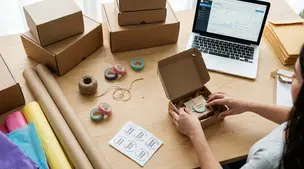
Best Packaging Supplies for Etsy Sellers
Discover budget-friendly, eco-friendly Etsy packaging supplies—cute mailers, custom boxes, tissue, stickers, and inserts that protect products and delight buyers.
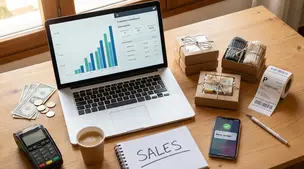
How Much Money Can You Make Selling on Etsy?
Discover realistic Etsy income ranges, profit margins, fees, and proven tips to boost sales so you can grow your handmade or digital product shop confidently.