SpySeller

How to Handle “Item Not Received” Cases on Etsy

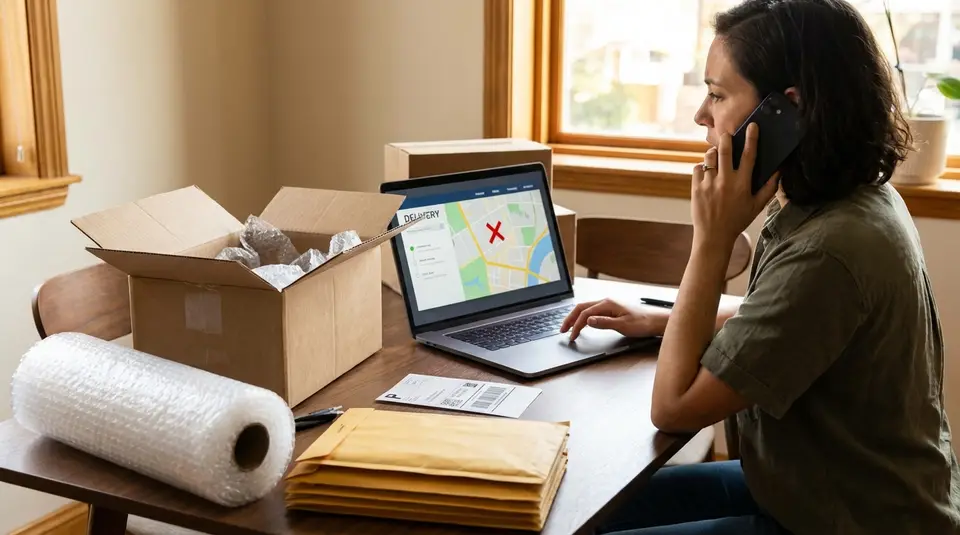
Handling “item not received” cases on Etsy starts with calm, clear communication, solid order tracking, and a good understanding of Etsy Purchase Protection and Etsy’s case system. When a buyer says their package never arrived, you need a simple, step‑by‑step process that protects your shop, your income, and your customer relationships.

In this guide, you’ll learn how to verify shipping details, respond professionally to worried buyers, gather tracking evidence, and work within Etsy’s policies if a case is opened. You’ll also see when Etsy may refund the buyer while you keep your earnings, and how to prevent future item not received situations.

What “item not received” means on Etsy for sellers

When a buyer says “item not received” on Etsy, they are telling Etsy that they paid for an order but never actually got it. In Etsy’s system, this usually becomes a non‑delivery issue, which can lead to a case if it is not resolved through messages first. Etsy then looks at your tracking, ship‑by dates, and the address on the receipt to decide what really happened.

Common reasons orders show as not delivered

Most “item not received” situations fall into a few buckets:

  • The package is still in transit, stuck, or misrouted with the carrier.
  • Tracking was never added, or it does not update, so the buyer assumes nothing was shipped.
  • The order was sent to the wrong address, or the buyer’s address had an error.
  • The carrier marked it delivered, but it was left in an unexpected place, delivered to a neighbor, or stolen.

Etsy does not automatically blame the seller for carrier delays or mistakes, but if you cannot show proof that you shipped on time to the address on the Etsy receipt, it can count against you in a non‑delivery case.

How Etsy defines a non‑delivery vs late delivery case

For Etsy, non‑delivery means the buyer paid but did not receive the item at all. Examples include:

  • There is no proof the order was shipped.
  • The order was shipped to an address that is not the one on the Etsy receipt.

A late delivery case is different. The buyer did receive the order, but it arrived after the estimated delivery window shown at checkout. In Etsy’s current case system, a late arrival is treated as a problem with timing, not with total non‑delivery. The buyer can open a case for “item arrived after the estimated delivery date window,” even if it eventually shows up.

This distinction matters for you, because Etsy may close a non‑delivery case in your favor if tracking shows the package was delivered to the address on the receipt, while a late‑delivery complaint focuses more on whether you shipped on time and what delivery window was shown.

When a missing item becomes Etsy’s problem (timelines and eligibility)

A missing item becomes something Etsy can step into only after a few steps and time limits are met. First, the buyer must message you through Help with order and give you at least 48 hours to respond and try to fix the issue. Only after that, and once the estimated delivery date has passed, can they open a case for non‑delivery or late delivery. Buyers usually have 100 days from the estimated delivery date to open that case.

If the order and your shop meet the rules for Etsy Purchase Protection and the order total is within the coverage limit (often up to 250 or 500 USD depending on the current promotion), Etsy may refund the buyer and let you keep your earnings when an item never arrives, as long as you shipped on time with valid tracking and followed their packaging and listing guidelines. If the order is above the coverage amount or does not meet the criteria, Etsy can still decide the case, but you may be the one responsible for the refund.

What to check first when a buyer says their Etsy order never arrived

When a buyer messages you with “item not received,” your first job is to calmly fact‑check the order inside your Etsy tools. A few quick checks in your Etsy dashboard and with the tracking info will tell you whether the package is likely delayed, misrouted, or truly missing.

Confirm shipping address and order details in your Etsy dashboard

Start in Shop Manager → Orders and open the specific order. Check:

  • The shipping address on the Etsy receipt. Make sure you actually shipped to that exact address. Etsy expects proof that you shipped to the address on the order or one agreed in Messages.
  • The order status: Not shipped, Shipped, Pre‑transit, In transit, or Delivered. If it still shows Not shipped or Pre‑transit, the carrier may not have scanned it yet, or you may have forgotten to complete the order.
  • The ship date and processing time. Confirm you shipped within your stated processing window and before the latest estimated delivery date, which matters for Purchase Protection and cases.

If you spot an address typo or mismatch, note it for later when you decide how to resolve the problem.

How to read tracking and shipment status like a pro

Next, click the tracking link from the order page. Look for:

  • Last scan location and time: If it has not updated for several days, the package may be stuck or lost in transit.
  • Status wording: “Pre‑transit” usually means the label was created but the carrier has not scanned the package yet. “In transit” means it is moving through the network. “Out for delivery” and “Delivered” are final‑mile scans.
  • Carrier notes: Sometimes you will see “Insufficient address,” “Forwarded,” “Held at post office,” or “Notice left.” These hints tell you what to ask the buyer to do next.

If there is no tracking at all, double‑check whether you shipped with an untracked service. In that case, your messages and postage receipt become even more important.

Quick checks the buyer should do on their end (neighbors, mailbox, local post office)

Once you understand the tracking, gently guide the buyer through a few simple checks. You can say something like:

“While I look into this from my side, could you please check a couple of places on your end?”

Suggest that they:

  • Look in all possible delivery spots: mailbox, porch, side door, garage, building lobby, parcel locker, or behind planters and furniture.
  • Ask household members, roommates, or neighbors if they picked up a package for them.
  • Check for a delivery notice or slip that might mean the parcel is waiting at their local post office or carrier pickup point.

These steps are standard advice in Etsy’s own help content for buyers whose orders are late or missing, and they often solve the mystery quickly.

When the tracking shows “delivered” but the buyer insists it’s missing

This is the trickiest scenario, so stay calm and factual. If tracking shows Delivered to the buyer’s ZIP and date, but they say nothing arrived:

  1. Confirm the address and delivery date again in your dashboard and in the tracking details.
  2. Ask the buyer (kindly) to:
  • Re‑check all delivery spots and with neighbors.
  • Verify with anyone else in the household.
  • Contact their local post office or carrier with the tracking number and ID; local staff can sometimes see GPS coordinates or extra notes.

Let them know you are also contacting the carrier from your side if the value justifies it. At this stage, you are gathering information to decide whether to replace, refund, or file a claim, but these first checks help rule out simple mix‑ups before you move into formal disputes or cases.

How to respond kindly to “item not received” messages

Sample first reply to calm an upset buyer

Your first message sets the tone, so keep it warm, calm, and solution focused. You can copy and tweak something like this:

Hi [Name],

Thank you for reaching out, and I’m so sorry your order hasn’t arrived yet. I know that’s really frustrating.

Let me look into this right away. I’ll review the tracking and check in with the carrier if needed.

I’ll update you within [time frame, for example: 1 business day] with what I find and next steps.

Thank you for your patience while I sort this out for you, [Your name]

This kind of reply shows empathy, confirms you are taking action, and gives a clear promise about when they will hear from you again.

Questions to ask without sounding accusing or defensive

Once you have acknowledged the problem, you can gently ask for details you need. Keep questions open and neutral, and frame them as teamwork:

  • “Just to double check, is this the shipping address on your order: [paste address]?”
  • “Sometimes carriers mark a package delivered a little early. Would you mind checking any other doors, mailrooms, or parcel lockers just in case?”
  • “Have you had a chance to ask anyone in your household or a neighbor if they might have accepted the package for you?”
  • “If it’s convenient, could you also contact your local post office or carrier office with the tracking number? They can sometimes see extra notes I can’t access.”

You can wrap these in a friendly paragraph instead of a list, for example:

To help me investigate, could you please confirm the address on your receipt matches where you want it delivered, and check with any neighbors or household members who might have accepted it? If you’re able to call your local post office with the tracking number, they can sometimes see more detailed scans than I can.

This keeps the tone collaborative instead of blaming.

Setting expectations about next steps and timelines

Buyers relax when they know what will happen next and when. After your first reply and questions, outline a simple plan:

  1. What you will do.
  2. What they can do.
  3. When you will update them.

For example:

Here’s what I’ll do next: I’ll contact the carrier with your tracking number and ask them to investigate. This usually takes about 1–2 business days.

In the meantime, if the package turns up or you get any updates from your local post office, please let me know.

If the carrier can’t locate it, we’ll talk about a replacement or refund based on what they say and Etsy’s policies. I’ll keep you updated at each step so you’re never left wondering what’s going on.

Clear timelines and simple language help the buyer feel cared for, and they also show Etsy (if a Help request or case is opened later) that you are responding promptly and professionally.

Using tracking, proof of shipment, and delivery confirmation

What counts as valid tracking on Etsy

For Etsy, “valid tracking” means a shipment record that can be checked online and clearly shows:

  • a unique tracking number
  • the carrier name
  • scan events (accepted, in transit, out for delivery, delivered)
  • the destination city/region that matches the buyer’s address

Tracking is strongest when it shows “Delivered” with a date and time. If you buy postage through Etsy, the tracking usually syncs automatically and appears on the order page. If you ship outside Etsy, make sure you add the tracking number and correct carrier so Etsy can read it.

For most “item not received” situations, Etsy expects you to have this kind of trackable shipping. A simple proof of postage receipt without tracking is much weaker and may not protect you in a case.

Screenshots and documents to save in case of a dispute

Think of yourself as building a tiny “order folder” for every shipment. Helpful things to save include:

  • A screenshot of the order details page showing the buyer’s address, order date, and items.
  • A screenshot or PDF of the full tracking history, especially the “Delivered” scan.
  • A photo of the shipping label on the package before you send it, with the address visible.
  • Any messages with the buyer about address changes, delivery issues, or special instructions.
  • For international orders, a copy of customs forms or postage receipts.

Store these in a simple cloud folder or local drive. When a dispute or Etsy case appears, you can upload these files quickly instead of scrambling to find them.

Signature confirmation and when it’s worth paying for

Signature confirmation adds an extra layer of proof: the carrier records that someone at the address signed for the package. This can be very helpful in “item not received” or “porch theft” situations, because it shows the order was handed to a person, not just left at a doorstep.

It is usually worth paying for signature confirmation when:

  • The order value is high for your shop (for example, a custom piece or large multi‑item order).
  • The item is one‑of‑a‑kind and cannot be replaced.
  • You have had past delivery problems with a particular area or buyer.

For low‑cost, lightweight items, signature confirmation can feel excessive and may annoy buyers who are not home during the day. Many sellers reserve it for orders above a certain dollar amount and clearly mention this in their shop policies so buyers know what to expect.

Step‑by‑step: handling an Etsy non‑delivery case

What happens before a buyer can open a case

Before an Etsy non‑delivery case ever appears in your shop, a few things must happen:

  1. The order’s maximum estimated delivery date or ship‑by window has to pass.
  2. The buyer must contact you through Help with order and give you at least 48 hours to respond and try to fix the problem.
  3. Only then can they open a non‑delivery case (item did not arrive, or arrived after the estimated delivery window).

Buyers usually have up to 100 days from the estimated delivery date to open a case, so issues can pop up weeks after shipping.

What you’ll see and can do inside the case dashboard

When a case is opened, you will see it in Shop Manager → Help → Cases under “Cases reported about your shop.”

Inside the case page you can:

  • Read the buyer’s description of the problem and see the case type (non‑delivery, not as described, damaged).
  • Reply in the Add your comment box. All communication about the case must stay here, not in regular Messages.
  • Issue a full or partial refund, or update shipping details if you are reshipping.
  • Attach images or screenshots (for example, tracking, postal receipts, or conversations).

Etsy may also add notes in the case log asking you for more information or reminding you of deadlines.

How to answer Etsy’s questions and upload evidence

For a non‑delivery case, Etsy mainly wants to know:

  • Did you ship on time?
  • Did you ship to the address on the Etsy receipt (or one agreed in Etsy Messages)?
  • Do you have proof of shipment and/or delivery?

Strong evidence includes:

  • A tracking number that shows acceptance by the carrier and movement through the network.
  • Tracking or delivery confirmation that shows the package was delivered to the buyer’s city/ZIP and ideally to the exact address.
  • A shipping receipt, label, or postal scan with date and destination.

Upload clear screenshots or photos directly to the case using Attach image. In your written reply, keep it short and factual, for example:

“Order was shipped on March 3 within processing time via USPS. Tracking XX123 shows delivery to the address on the Etsy receipt on March 10. Screenshot attached.”

Respond within the timeframe Etsy gives you (often 2 calendar days) so they can decide the case without delay.

Possible outcomes and what they mean for your payout

A non‑delivery case can end in a few ways:

  • You refund the buyer through Etsy Payments. The case closes automatically, and the refund comes out of your Payment account balance.

  • Tracking shows delivered to the receipt address. Etsy may close the case in your favor, especially if you provided valid tracking and shipped on time. In many situations, your payout is not reversed, and the buyer is directed to work with the carrier or local authorities.

  • Etsy Purchase Protection applies. If the order meets all eligibility rules and is within the coverage limit (currently up to 500 USD including shipping and tax), Etsy may refund the buyer out of their own funds while letting you keep your earnings.

  • Etsy refunds the buyer from your funds. If you lack proof of shipment, shipped to the wrong address, or the order is not eligible for Purchase Protection or Seller Protection, Etsy can issue a refund and recoup the amount from your Payment account.

Once Etsy makes a final decision, they will post it in the case log and email you. At that point the case is closed, and your next step is simply to adjust your shipping process so the next order goes more smoothly.

How Etsy Purchase Protection affects “item not received” cases

Etsy Purchase Protection is designed to step in when an order goes wrong, including “item not received” situations, so you are not always the one paying for problems you did not cause. When a qualifying order is covered, Etsy refunds the buyer and lets you keep your earnings, as long as you met the program rules.

To benefit from this, it helps to understand when Etsy pays, when you pay, and how order value affects coverage.

When Etsy refunds the buyer and you keep your earnings

For eligible orders up to the coverage limit, Etsy may refund the buyer in an “item not received” case while you keep what you earned from the sale. This applies when:

  • The buyer never receives the package (for example, it is lost in transit).
  • The order meets all Etsy Purchase Protection criteria, such as:
  • Shipped on time within your stated processing time.
  • Has valid tracking and/or was shipped with a label bought on Etsy.
  • Has an estimated delivery date on the listing.
  • The shop is in good standing and enrolled in Etsy Payments.

If those boxes are ticked and Etsy decides the case in the buyer’s favor, Etsy covers the refund from its own funds. Your payout for that order is not taken back, which can be a huge relief for small shops.

Order limits, eligibility rules, and common disqualifiers

The standard coverage limit is up to 250 USD per order including shipping and taxes. During some holiday periods, Etsy has temporarily doubled this to 500 USD for orders placed between specific dates, but outside those promos you should plan around the 250 USD limit.

To be eligible, an order generally must:

  • Be under the active coverage amount (usually 250 USD, sometimes 500 USD during promos).
  • Be shipped on time with valid tracking and an estimated delivery date.
  • Match the listing photos and description.
  • Be processed through Etsy Payments, with your shop in good standing.

Common reasons an “item not received” order is not covered by Etsy Purchase Protection include:

  • Order total is above the coverage limit.
  • No valid tracking, or tracking shows it was shipped late.
  • The order was sent to a different address than the one on the Etsy receipt.
  • You already have other insurance or coverage and have not used that first.
  • Your shop has policy violations or is not using Etsy Payments.

In these cases, Etsy can still review a case, but if they side with the buyer, the refund usually comes out of your earnings.

What changes if the order is above the coverage amount

When an “item not received” order is above the Purchase Protection limit, Etsy will still allow the buyer to open a case, but Etsy will not cover the refund. If Etsy decides the buyer should be refunded, the money is taken from your payout instead.

For higher‑value orders, that means you should:

  • Treat shipping insurance as essential, not optional. Etsy itself recommends insuring orders over the coverage limit.
  • Be extra strict about tracking, signatures, and accurate addresses.
  • Understand that Purchase Protection does not apply partially. For example, a 300 USD order is not covered at all, even though 250 USD of it is under the usual limit.

In short: for smaller, well‑handled orders, Etsy often absorbs the cost of “item not received” refunds so you can keep your earnings. Once an order goes over the coverage amount or breaks the rules, responsibility shifts back to you, so careful shipping practices and insurance become your best friends.

Deciding whether to refund, replace, or reship

Factors to weigh: tracking status, order value, and buyer history

When an Etsy buyer says “item not received,” start by looking at tracking. If tracking shows the package is still in transit, delayed, or stuck in customs, you might first offer to monitor and update the buyer, or contact the carrier, before jumping straight to a refund or replacement.

If tracking shows delivered, but the buyer insists they did not get it, you are in a gray area. In these cases, many sellers look at:

  • Order value: For low‑cost items, it is often cheaper (and kinder) to simply reship or refund. For high‑value orders, you may want signature confirmation next time, and you might lean toward a partial refund or asking the buyer to open a claim with the carrier.
  • Buyer history: A long‑time customer with a clean history is usually worth a generous solution. If the account is brand new, has multiple “item not received” issues, or feels risky, you may choose a more cautious approach, like waiting for carrier investigation results.

Your goal is to balance cost, risk, and goodwill. A small loss can be worth it if it protects your reviews and future sales.

When to file a claim with the shipping carrier instead

If tracking shows the package is lost in transit or never scanned as delivered, it is often smart to file a claim with the shipping carrier (especially if you bought insurance or the service includes built‑in coverage). Do this when:

  • The carrier’s tracking has not updated for many days beyond the expected delivery window.
  • The carrier marks it as “lost,” “damaged,” or “undeliverable.”
  • The order value is high enough that you cannot comfortably absorb the loss.

You can still choose to refund or reship for the buyer right away, then let the carrier claim reimburse you later. That keeps the customer happy while you work things out behind the scenes.

How to clearly tell the buyer your decision

Once you decide whether to refund, replace, or reship, share it in a warm, clear message. Keep it short, kind, and specific about what happens next and when. For example:

Hi [Name], Thank you again for your patience while I looked into this. Since your order still has not arrived, I’m going to [refund your order / send a replacement / reship your package].

Here’s what will happen next: – If refunding: “You’ll see the refund back to your original payment method within a few days.” – If replacing/reshipping: “I’ll ship your new package by [date] and send you updated tracking as soon as it is on the way.”

If the original package does show up later, you are welcome to keep it or let me know and we can decide what works best.

Avoid blaming the buyer or the carrier. Focus on what you are doing to fix it. A calm, confident tone reassures the customer and shows you are a professional who stands behind your shop.

What to do if the buyer files a chargeback or escalates

Chargebacks vs Etsy cases: what’s the difference for you?

A chargeback happens outside Etsy. The buyer goes to their bank, card company, or PayPal and disputes the payment. The financial institution then pulls the money back temporarily and asks Etsy for evidence. The bank makes the final decision, not you and not Etsy. Etsy can also recoup the disputed amount from your payment account or card on file if the bank rules in the buyer’s favor.

An Etsy case is handled inside Etsy. The buyer first messages you through “Help with order.” If things are not resolved within about 48 hours, they can open a case and Etsy’s team steps in, reviews messages, tracking, and photos, and may issue a refund or close the case.

Buyers can only use one dispute path for the same order. If they file a chargeback, they cannot keep an Etsy case open; Etsy will close the case if a chargeback is started.

So, in short:

  • Etsy case = Etsy decides, inside the platform.
  • Chargeback = the bank decides, and Etsy just passes along info.

How to respond if you receive a payment dispute notice

When a chargeback or payment dispute is filed, Etsy emails you and may show an alert in your payment account. Etsy will usually ask for information and give you a deadline to respond. If you do not respond in time, Etsy may not be able to defend the transaction and can permanently recoup the funds from you.

Respond calmly and quickly:

  1. Read the reason code. It might say fraud, non‑delivery, not as described, or damaged. Tailor your response to that reason.
  2. Gather proof. This usually includes:
  • Valid tracking showing shipment and, ideally, delivery
  • Screenshots of the order details and shipping address
  • Photos of the item and packaging (if relevant)
  • Your conversation with the buyer in Etsy Messages
  1. Upload everything through Etsy. Follow the link in the email or go to your payment account and provide the requested documents within the stated timeframe (often just a few days).
  2. Keep communication on Etsy. If the buyer messages you, stay polite and factual, but remember the bank is now in charge of the outcome. You cannot “cancel” a chargeback yourself.

After you submit your evidence, you mostly wait. The bank’s review can take several weeks, and Etsy will update your payment account once there is a decision.

When it’s better to accept a loss and move on

Not every dispute is worth fighting. Sometimes the most business‑savvy move is to accept the loss, learn from it, and protect your energy.

It may be better to move on when:

  • You have weak or no tracking. If there is no proof the order was shipped or delivered, banks usually side with the cardholder.
  • The order value is low. Spending hours gathering documents for a small item can cost more than the refund in time and stress.
  • The buyer clearly experienced a real problem. For example, a damaged item with strong photo evidence and no shipping insurance.
  • Your account health is at risk. A long, heated dispute can lead to more messages, bad reviews, or additional complaints. Keeping the buyer calm and closing the issue quickly can sometimes protect your shop in the long run.

You cannot stop a buyer from going to their bank, but you can control how you respond. Provide solid proof when it makes sense, accept the occasional loss when it does not, and use each chargeback as a cue to tighten your shipping, tracking, and communication so the next one is less likely.

Preventing future “item not received” problems

Staying ahead of “item not received” issues is one of the easiest ways to protect your time, your profits, and your sanity. A few smart tweaks to your shipping settings, packaging, and policies can dramatically cut down on missing‑package messages and keep buyers feeling confident about ordering from you.

Shipping settings that reduce delivery issues

Start with accurate processing times. Set realistic dispatch windows you can meet even on busy weeks, and update them if your schedule changes. Orders that ship on time are more likely to qualify for Etsy Purchase Protection, which can help if something goes wrong in transit.

Always include tracking whenever possible, especially for higher‑value orders or international shipments. Use services that scan at acceptance and delivery so buyers can see movement, and make sure your listings show an estimated delivery date. Both valid tracking and an estimated delivery window are key for coverage and for buyer trust.

If you ship from the United States, double‑check that your “ships from” location and origin ZIP are correct in your settings. This helps Etsy calculate realistic delivery estimates and reduces complaints about “late” or “lost” packages.

Packaging, labeling, and address best practices

Good packaging prevents damage, but it also helps prevent non‑delivery. Use sturdy boxes or mailers, seal all edges, and avoid tiny or smudged labels that scanners cannot read. Place the shipping label on a flat surface, not over seams or corners.

Always ship to the address on the Etsy order, not one sent later in a message. If a buyer asks you to change the address after checkout, it is safer to cancel and have them reorder with the correct details. This keeps you aligned with Etsy’s policies and reduces the risk of non‑delivery disputes.

For international orders, write addresses clearly, include any required customs information, and avoid using nicknames or shortened names that might confuse local carriers.

Using clear policies to set buyer expectations upfront

Clear shop policies are your best friend. Use them to explain:

  • How long you need to make and ship items
  • What “estimated delivery” means and that delays in transit are possible
  • What buyers should do if a package seems late or missing

Align your policies with Etsy’s case and Purchase Protection rules so buyers see the same story everywhere: contact you first, then open a case if needed.

Keep the tone friendly and reassuring. Policies should sound like a helpful guide, not a wall of legal text.

Simple templates for your shop policies and order messages

You do not need anything fancy. Short, consistent wording works best. You can adapt lines like these for your shop:

Shipping policy snippet

“I ship within X business days from [country]. Your order will include tracking whenever available. Delivery dates are estimates and can be affected by carrier delays or customs.”

Late / missing package policy snippet

“If your order has not arrived within 5 business days after the latest estimated delivery date, please message me. I’ll help check tracking, contact the carrier if needed, and discuss next steps.”

Order confirmation message snippet

“Thanks so much for your order! It will ship by [date] to the address on your receipt. You’ll receive a tracking link once it is on the way. If you have any questions about delivery, just reply to this message.”

These simple templates set expectations early, reduce confusion, and make “item not received” problems far less likely to appear in the first place.

Staying sane and professional through stressful cases

Protecting your response rate and shop reputation

Stressful “item not received” situations feel personal, but on Etsy they are also data points that affect your shop health. The good news is that a calm, structured approach protects both your nerves and your metrics.

Reply to worried buyers quickly, even if you do not have all the answers yet. A short, kind message like “I’m so sorry for the worry this is causing, I’m going to look into this right away and update you within 24 hours” keeps your response rate healthy and shows Etsy you are engaged.

Keep all communication inside Etsy messages. This creates a clear record if a case or dispute opens later and shows consistent, professional behavior. Avoid emotional language, blame, or long explanations about the postal service. Focus on solutions and timelines instead.

It also helps to create a simple internal routine:

  • First message within a few hours.
  • Update after checking tracking or contacting the carrier.
  • Final follow‑up once the issue is resolved.

When you treat each non‑delivery as a small process rather than a personal attack, your shop reputation stays strong and buyers are more likely to leave positive feedback, even when something went wrong.

When to block a buyer or say no to future orders

Most buyers are honest and just anxious about their package. Still, it is okay to protect yourself from patterns that feel unsafe or abusive. Consider blocking a buyer or declining future orders if you notice:

  • Repeated “item not received” claims with confirmed delivery.
  • Rude, threatening, or harassing messages, even after you try to de‑escalate.
  • Demands for free extras or refunds that ignore your clear policies.

Before you decide, step back and ask: “If this exact situation happened again, would I feel comfortable?” If the answer is no, it is reasonable to set a boundary.

You can stay polite while being firm. A simple note like, “Thank you for your past orders. Based on our previous experience, I am not able to accept new orders from you at this time,” is enough. No long defense, no argument. Protecting your energy helps you show up better for the many lovely customers who follow the rules.

Turning a resolved non‑delivery into a positive review

A missing package can actually become one of your best reviews if you handle it with care. Buyers remember how you treated them more than the original problem.

Once the issue is resolved, send a warm closing message. For example:

“I’m glad we were able to sort this out. Thank you so much for your patience while we worked with the carrier. If you’re happy with how everything turned out, a review on the order would really help my small shop.”

Highlight what you did to help: quick replies, replacement, refund, or extra tracking. This gently reminds the buyer that you went the extra mile.

You can also add a small gesture when it makes sense, such as a short handwritten note in the replacement package or a tiny bonus item for low‑cost orders. Do not feel pressured to do this every time, but thoughtful touches can turn frustration into loyalty.

Over time, these “we had a problem, but the seller fixed it” reviews become powerful social proof that you are reliable, responsive, and kind under pressure.

Related posts

Keep reading