SpySeller

How to Increase Repeat Customers on Etsy

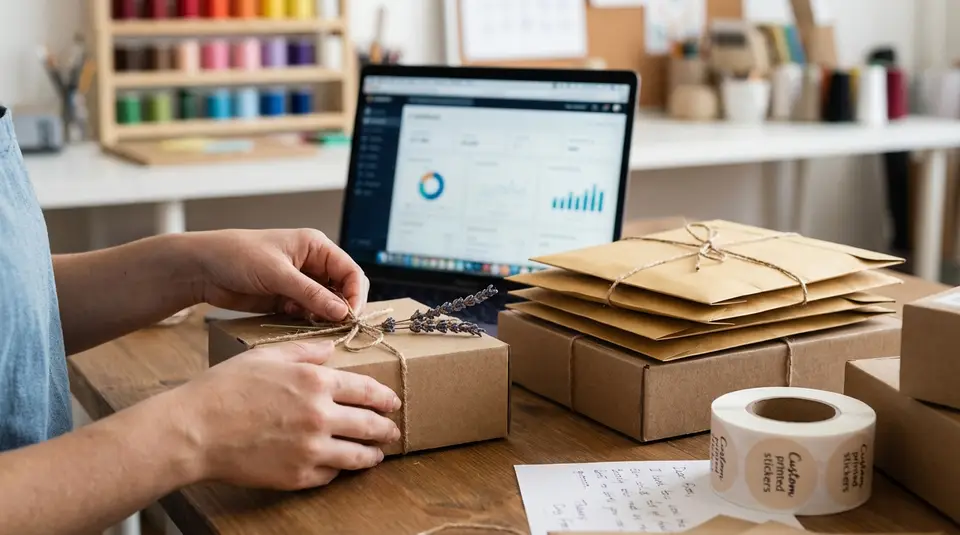
Building repeat customers on Etsy starts with a standout buyer experience: fast, reliable shipping, friendly communication, thoughtful packaging, and clear shop policies. Add personal touches like handwritten thank-you notes, small freebies, and customized messages to show you genuinely care about every order and every shopper.

From there, you can boost loyalty with simple systems: coupon codes for second purchases, a basic Etsy customer loyalty program, email marketing to past buyers, and social media updates that keep your shop top of mind. When shoppers feel seen, supported, and delighted, they’re far more likely to come back—and that’s how you increase repeat customers on Etsy.

Why repeat customers matter so much on Etsy

The difference between one-time buyers and loyal fans

On Etsy, a one-time buyer is someone who discovers your shop, makes a single purchase, and disappears. A loyal fan is the person who comes back for gifts, refills, custom orders, and recommends you to friends without you even knowing.

The big difference is relationship. One-time buyers are still testing you. Loyal fans already trust your product quality, your shipping, and your communication. That trust makes them more relaxed about buying again, trying new items from your shop, and spending more per order.

Etsy’s own research shows that when buyers have a smooth experience with shipping, communication, and product quality, they are far more likely to return to the same shop. Over time, those repeat customers become the steady base that keeps your shop going even when search traffic or trends slow down.

Loyal fans also tend to leave more detailed reviews, share photos, and message you with ideas. That feedback helps you improve your listings and create products that are even more likely to sell again.

How repeat customers boost profit, reviews, and rankings

Repeat customers are usually your most profitable buyers. You do not pay to “acquire” them again with ads or endless promotion, yet they often place larger or more frequent orders. Many marketplaces, including Etsy, see that habitual buyers account for a big share of total sales, which is why turning first-time buyers into repeat customers is such a powerful growth lever.

They also help your shop look amazing from the outside. Happy repeat buyers are more likely to leave 5-star reviews, which raises your average rating. Etsy highlights shops that keep reviews high, respond to messages quickly, and ship on time, both in customer service standards and in the Star Seller program. Strong reviews and reliable service can improve your search visibility, which brings in even more buyers.

On top of that, repeat customers often favorite your items, share your shop link, and come back during holidays or life events. Every time they return, they send positive signals to Etsy that your shop is trusted and worth showing to more shoppers. Over time, that mix of repeat orders, great reviews, and strong service can lift your rankings, stabilize your income, and make your Etsy shop feel much less like a guessing game.

Get the basics right: product quality, shipping and service

Great repeat-customer strategies only work if the basics are solid. On Etsy, buyers remember how your product looked and felt, how smoothly it arrived, and how you treated them when something went wrong. Nail these three areas and people feel safe ordering from you again and again.

Make product quality and consistency non‑negotiable

Treat every item like it might be someone’s very first impression of your shop. Use clear, accurate photos and descriptions so buyers know exactly what to expect, then make sure what arrives matches that promise.

Create simple checklists for yourself: correct size, color, personalization, finish, packaging. If you make handmade items, keep notes on materials, settings, and techniques so you can repeat the same quality for future orders. For supplies or vintage, inspect pieces before shipping and avoid sending anything you would not be happy to receive.

If something changes, update your listing instead of “winging it.” Consistency builds trust, and trust is what turns a curious shopper into a loyal fan.

Offer fast, reliable shipping that feels stress‑free

You do not need to be the absolute fastest, but you do need to be honest and predictable. Set realistic processing times, then ship on or before that date whenever possible. Use shipping profiles to keep your handling times and prices tidy and consistent.

Buyers love updates, so upload tracking and mark orders as shipped promptly. A short note like “Your order is on the way, thanks again!” makes the process feel human. Package items securely so they can survive the trip: sturdy mailers, padding, and waterproof protection for anything delicate or absorbent.

If delays happen, message the buyer before they have to ask. A quick explanation and a new estimated date can turn a potential complaint into appreciation.

Respond to messages quickly and kindly

On Etsy, your messages are part of your customer service “brand.” Aim to reply within 24 hours, even if it is just to say you are checking on something. A warm, calm tone goes a long way, especially if the buyer is stressed or confused.

Use simple, friendly language. Thank them for reaching out, answer their question clearly, and, when helpful, add one small extra tip or suggestion. If you need more time or information, say so instead of going silent.

You can save time with message templates, but always personalize a line or two so it does not feel robotic. People remember how you made them feel, and kind communication is often what convinces them to come back.

Handle problems and refunds in a way that wins people back

Even with great quality and shipping, things will sometimes go wrong. A package gets lost, a mug arrives broken, a color looks different than expected. How you handle these moments can either end the relationship or create a repeat customer for life.

Start by listening. Ask for a photo if needed, but avoid sounding suspicious. Apologize for the trouble, even if the issue was out of your control. Then offer a clear solution: replacement, partial refund, full refund, or store credit, depending on the situation and your policies.

Keep your tone generous and solution-focused: you are on the buyer’s side, not arguing against them. When you can, go slightly above what they expected, such as upgrading shipping on a replacement or adding a small extra item.

End with an invitation to give your shop another chance. Many buyers will remember that you handled a problem gracefully and will feel even more confident ordering from you again.

Create a memorable unboxing experience they want to repeat

A memorable unboxing experience makes your Etsy shop feel like a tiny celebration arriving in the mail. It turns a simple package into a story your buyer wants to relive and share. The goal is not expensive packaging. The goal is to make the buyer feel cared for, surprised in a good way, and excited to come back.

Simple packaging upgrades that feel special (on a budget)

You can upgrade your Etsy packaging without spending much at all. Focus on a few small touches that look intentional and tidy. For example, wrap the product in tissue paper, close it with a sticker, and add a simple thank you card. Even plain kraft paper can feel charming when it is neatly folded.

Choose one or two brand colors and repeat them in tissue, ribbon, or stickers so your Etsy unboxing feels consistent. If you ship fragile items, use pretty paper shred or crinkle paper instead of plain plastic. It protects the product and looks nicer when they open the box.

Most of all, keep it clean and secure. A beautiful package that arrives damaged is not memorable in the way you want. Test your packaging by shaking the box before you ship. If it rattles, add more padding.

What to write in a handwritten thank you note

A handwritten thank you note is one of the easiest ways to make your Etsy unboxing feel personal. It does not need to be long. Aim for three short parts:

  1. Thank them by name.
  2. Mention what they bought.
  3. Invite them back or to reach out.

For example:

“Hi Sarah, Thank you so much for choosing my shop and for ordering the lavender candle. I hope it makes your evenings extra cozy. If you ever have questions or need a gift, I am just a message away. Enjoy!”

Keep your handwriting clear and friendly. If you sell a lot, you can pre‑write part of the note and add their name and item at the end. The key is that it feels like a real human wrote it just for them.

Small gifts and samples that encourage a second order

Tiny surprises can gently nudge buyers to return to your Etsy shop. These do not have to be expensive. Think of items that:

  • Let them try something else you sell
  • Make their current purchase easier to use
  • Feel like a fun bonus, not random clutter

Ideas include: a mini sample of another scent, a small sticker with your art, a test size of a matching product, or a discount card for their next order. If you add a sample, mention it in your note: “I tucked in a mini sample of our vanilla soap in case you want to try another scent.”

Make sure any freebie still matches your brand and quality. A cheap, unrelated trinket can feel like filler instead of a thoughtful gift.

Add care instructions so buyers enjoy the product longer

Care instructions are part of the unboxing experience because they help your buyer feel confident using what they just opened. Clear instructions also reduce complaints and returns, which keeps your Etsy reviews happier.

Include a small card or slip that explains:

  • How to use the item safely
  • How to clean or store it
  • What to avoid so it lasts longer

For example, for jewelry you might note how to keep it dry and where to store it. For candles, share burn time tips and safety reminders. For clothing, list washing and drying instructions in simple language.

When buyers see that you want their purchase to last, they trust you more. That trust makes them far more likely to come back to your Etsy shop the next time they need a gift or a refill.

Use Etsy tools to bring buyers back automatically

Etsy gives you a whole set of built‑in tools that quietly work in the background to bring buyers back. Once you set them up, they keep nudging past customers and interested shoppers to return, without you having to message everyone by hand.

How to set up Etsy thank‑you coupons for past customers

Thank‑you coupons are part of Etsy’s targeted offers. They send an automatic discount to buyers after their order is completed.

To set them up:

  1. Go to Shop Manager → Marketing → Sales and discounts.
  2. In the “Connect with your buyers” area, choose “Say thank you with a discount.”
  3. Pick your discount type and amount (for example, 10% off their next order).
  4. Set the coupon duration. Thank‑you coupons can run as an ongoing campaign, and each coupon typically expires one year from creation.
  5. Save the offer.

From then on, Etsy emails that coupon automatically to eligible buyers after their purchase is marked complete.

Using sales, bundles and “buy more, save more” offers

In the same Sales and discounts area, you can:

  • Run a sale on specific listings or your whole shop, with a percentage off and optional order minimum.
  • Create promo codes to share in messages or on social media.
  • Set up discounted bundles with “Offer listings together for less.” Choose up to three listings that pair well, then apply a bundle discount. Shoppers must buy all items in the bundle to get the deal, and each listing can only be in one bundle at a time.

These tools are perfect for “buy more, save more” style offers, like pairing refills with the original product or matching accessories with a main item.

Leveraging Etsy favorites, updates and follow features

Etsy can also send targeted offers to people who showed interest but have not bought yet:

  • Turn favorites into orders sends a coupon to shoppers who favorited one of your items.
  • Remind buyers to check out sends a coupon to shoppers who left your item in their cart.

You turn these on in Shop Manager → Marketing → Sales and discounts, under “Connect with your buyers.” Etsy then emails those shoppers automatically, within set time frames, as long as they have not opted out of marketing emails.

Favorites and follows also show up in your Stats and Shop engagement views, so you can see which listings are getting the most love and deserve extra promotion.

Tracking what repeat buyers actually purchase in Shop Stats

To see what is working, open Shop Manager → Stats. Here you can:

  • View orders and revenue by listing to spot items that bring buyers back again and again.
  • Compare time periods to see if orders and revenue rise after you start a new coupon or sale.
  • Use Offer details and stats inside the Sales and discounts page to check how many orders used each discount, plus items sold and revenue from that promotion.

When you notice certain products or offers driving repeat orders, lean into them: feature those listings more, build bundles around them, or increase the visibility of the thank‑you coupon that is already converting past customers into loyal fans.

Turn every order into a friendly conversation

How to write a warm post‑purchase message on Etsy

A great post‑purchase message feels like a friendly wave, not a script. Keep it short, personal, and focused on making sure the buyer is happy.

You can send it after the order ships or once tracking shows movement. Use their first name if you have it, mention the item, and reassure them about what happens next. For example:

Hi Sarah! Thank you so much for your order of the lavender candle. I’ve just finished packing it up and it is on the way to you.

If anything looks off when it arrives, please message me so I can fix it right away. I really want you to love it.

A warm message:

  • Thanks them clearly
  • Confirms what they bought or that it shipped
  • Invites questions or concerns
  • Sounds like a real person, not a template

You can save a version as a snippet, then tweak a line or two so it still feels personal.

Follow‑up messages that ask for reviews (without feeling pushy)

Wait until the order is delivered and the buyer has had a little time to use it. Then send a gentle check‑in that puts their experience first and the review second.

Something like:

Hi Sarah, I hope your lavender candle arrived safely and that you are enjoying it.

If you have a moment, would you mind leaving a quick review on Etsy? It helps my tiny shop a lot and also helps other buyers know what to expect.

If anything is not perfect, please message me so I can make it right.

This kind of message works because:

  • You check that everything is okay
  • You explain why reviews matter
  • You give them an easy “out” by inviting private feedback if there is a problem

Avoid sending multiple reminders or sounding demanding. One friendly nudge is usually enough.

What to say when you invite someone to come back again

Inviting a buyer to return should feel like an open door, not pressure. Tie the invitation to something helpful, like refills, matching items, or future launches.

You might say:

I loved making this order for you. If you ever need a refill or want a matching gift, you’re always welcome back to my shop.

Or, if you use Etsy thank‑you coupons:

As a little thank you, there is a coupon in your Etsy account for your next order. No pressure at all, but if you ever come back, I’d love to create something for you again.

Keep the tone light, grateful, and future‑focused. When buyers feel cared for instead of sold to, they are much more likely to return on their own.

Build a tiny loyalty program for your Etsy shop

A tiny loyalty program can turn casual Etsy buyers into “I always shop here” fans. It does not need fancy software or complicated rules. You just need a simple way to say: “When you come back, you get a little extra love.”

Think of it as a friendly promise you make to repeat customers. You reward people who order again, keep the perks easy to understand, and mention them often in your packaging and messages.

Easy ways to reward second and third purchases

Start small and focus on the second and third order. That is usually where a buyer shifts from “trying you out” to “I’m a regular.” You can:

  • Add a thank‑you coupon in their first order that only works on their next purchase.
  • Offer a free upgrade on the second order, like faster shipping or gift wrapping.
  • Include a small bonus item on the third order, such as a sample, charm, sticker, or refill.

Keep a simple note in your order management (or a spreadsheet) to mark who is on order 1, 2, or 3 so you remember which perk to give.

Fun loyalty ideas: punch cards, VIP tiers, birthday treats

You can make your Etsy loyalty program feel playful and personal:

  • Punch card style: Add a printed card that says “Collect 5 orders, get a free gift.” You “stamp” it by writing the order date or adding a tiny sticker each time.
  • VIP tiers: After a certain number of purchases, invite buyers to a “VIP list” with permanent perks like small surprise samples, early access to new items, or a standing discount.
  • Birthday treats: If you legally and ethically collect birthdays through your email list, send a special coupon or small gift offer during their birthday month.

These ideas work best when they match your brand. A cute, handmade shop might use illustrated punch cards, while a minimalist brand might keep it clean and simple.

Setting clear, simple rules so buyers understand the perks

A loyalty program only works if customers actually understand it. Keep the rules short, clear, and visible. For example:

“Order 2 times, get 10% off your next purchase. Order 5 times, receive a free mystery gift.”

Share the rules in a few places: a small insert in every order, a line in your thank‑you message, and a short note in your shop announcement or FAQ. Avoid complicated points systems or long fine print.

If a rule ever feels confusing, rewrite it in one sentence a 10‑year‑old could understand. Simple, friendly, and consistent is what turns a tiny Etsy loyalty program into a powerful repeat‑customer magnet.

Grow an email list of happy Etsy customers

Etsy‑safe ways to invite buyers to your email list

You can grow an email list from Etsy, but you must do it in a way that respects Etsy’s policies and privacy laws. The key rule: only add people who clearly opt in to your list. Never copy email addresses from orders and subscribe buyers without permission. Etsy’s own guidance says you need express consent before sending marketing messages, and that unsolicited promotions (including through Messages) are not allowed.

Safe, Etsy‑friendly ways to invite buyers include:

  • Adding a short invite and sign‑up link in your shop announcement, About section, and shop policies.
  • Including a gentle call‑to‑action and link in your product descriptions, such as “Want first dibs on new designs? Join my email list here.”
  • Printing a QR code or URL on your packaging insert so buyers can join from their phone after they open their order.

Keep the invite optional, clear, and low‑pressure. Your goal is to make it easy for happy customers to raise their hand and say, “Yes, I want to hear from you again.”

What to offer in exchange for an email sign‑up

People are busy, so give them a simple, honest reason to join your list. A good “lead magnet” for Etsy customers is:

  • A small discount on their next order (for example, 10 percent off).
  • Early access to new collections or limited drops.
  • A printable guide or checklist that matches your niche, like styling tips, sizing help, or project ideas.

Make sure your offer is something you can deliver consistently and that will not destroy your margins. A modest, repeatable perk is better than a huge one‑time discount that hurts your profit.

When you describe the sign‑up bonus, be specific: “Join my list for 10 percent off your next order and first look at new pieces.” Clear expectations build trust and attract subscribers who actually want what you sell.

Simple email sequences that turn first‑time buyers into fans

Once someone joins your email list, a short, friendly sequence can gently turn them into a repeat buyer. You do not need anything complex. Even three to five emails can work beautifully:

  1. Welcome email Send this right after they subscribe. Thank them for joining, remind them how they signed up, share their discount code if you offered one, and briefly introduce your brand story.

  2. Value email A few days later, send helpful content related to your products: care tips, styling ideas, or creative ways to use what you make. This builds trust and shows you are not only there to sell.

  3. Social proof + favorites Next, share a couple of best‑selling items, customer photos, or short reviews. Invite them to reply with what they are looking for so you can recommend something personal.

  4. Gentle offer reminder Finally, send a friendly nudge before their welcome discount expires. Keep it light: “Just a quick reminder that your thank‑you code is still active if you have your eye on something.”

Keep every email short, warm, and easy to skim. If you always respect consent, provide real value, and make it simple to unsubscribe, your Etsy email list will feel like a cozy community instead of just another marketing channel.

Stay on their radar with social media and content

Social media is where your Etsy buyers hang out between purchases. When you show up regularly with friendly, useful content, you gently remind them you exist without feeling salesy. Instagram and TikTok are especially powerful for Etsy sellers, because they are visual, fast and perfect for handmade, vintage and custom products.

Inviting Etsy buyers to follow you on Instagram or TikTok

Make it easy and natural for buyers to follow you off Etsy. Add your Instagram and TikTok handles to:

  • Your shop announcement and About section
  • Product descriptions for your bestsellers
  • A small insert card in each order

On that insert, use a simple call to action, such as:

“Loved your order? Come hang out with us on Instagram @yourshop for new releases, behind‑the‑scenes and special discounts just for followers.”

You can also mention your socials in a short post‑purchase message, focusing on value, not just promotion: “If you like seeing how things are made, I share process videos on TikTok @yourshopname.”

The goal is to turn one happy buyer into a long‑term follower who sees you every week in their feed.

Sharing behind‑the‑scenes content that builds connection

Behind‑the‑scenes content is where your Etsy shop really comes to life. People love seeing:

  • How you design, cut, mix, sew or package
  • Your workspace, tools and materials
  • Work‑in‑progress clips and “before/after” shots
  • You testing or styling the finished product

On Instagram, use Stories and Reels for quick peeks into your day. On TikTok, short, casual videos of your process often perform better than polished ads. This kind of content builds trust, shows your skill and reminds buyers that a real person is making their order with care.

You do not need to post every day. A simple, steady rhythm like 3 posts a week plus a few Stories is enough to stay visible without burning out.

Showcasing customer photos and repeat‑buyer stories

Customer photos and stories are social proof and relationship‑builders in one. Encourage buyers to share by:

  • Including a note in each package inviting them to tag you
  • Creating a simple hashtag for your shop
  • Occasionally running a small giveaway for tagged photos

When someone posts a photo, ask permission to reshare it. Then feature it in your feed or Stories with a warm caption, for example:

“Look how amazing @customername styled their new earrings from our shop. This is their third order and we are so grateful for their support!”

Highlighting repeat‑buyer stories shows that people come back again and again, which reassures new shoppers and makes loyal customers feel special. Over time, this user‑generated content becomes a library of real‑life examples you can keep sharing to stay on your buyers’ radar.

Use smart offers, bundles and recommendations

Creating bundles that naturally lead to repeat orders

Smart bundles make it easy for buyers to say “yes” again without feeling sold to. Think about how your products are actually used in real life, then group items that naturally go together. For example, pair a main item with accessories, refills, or seasonal add‑ons.

A simple way to start is with:

  • Starter bundles for first‑time buyers (for example, soap + dish + mini sample).
  • Routine bundles for things people use up, like candles, skincare, or planner inserts.

Price the bundle so it feels like a small win compared to buying each item alone, but still protects your margin. Make the title and photos very clear, so shoppers instantly see the value and how the pieces work together.

Suggesting matching or refill items after their first purchase

After someone buys once, your goal is to help them get even more value from what they already own. Look at what they purchased and ask, “What would make this even better or easier to use?” That is your matching or refill item.

You can:

  • Mention a matching item or refill in your thank‑you message.
  • Add a small card in the package that says, “Loved this? Next time you might like…” with 1–3 specific product names.
  • Update your listings with a short line like, “Pairs perfectly with…” and link to the companion product.

Keep suggestions relevant and few. One or two spot‑on recommendations feel helpful. Ten options feel like a sales pitch.

When and how to use bigger discounts without hurting profit

Bigger discounts can bring repeat orders, but only if you use them with a plan. Start by knowing your real costs so you understand your minimum profitable price. Never discount below that line just to chase more sales.

Use larger discounts in moments where volume or timing matters more than full price, such as:

  • Clearing out seasonal or discontinued designs.
  • Encouraging a larger cart size with “buy more, save more” tiers.
  • Rewarding loyal buyers during a short, clearly dated sale.

Limit how often you run big promotions so customers do not wait for the next sale instead of buying now. Make the offer simple, time‑bound, and easy to understand, and always check your numbers afterward. If your average order value and profit per order stay healthy, you have found a sweet spot you can repeat.

Measure what’s working and gently optimize

How to see if your repeat customer rate is improving

On Etsy, you do not have to guess whether repeat customers are growing. You can see it in your numbers.

Start by picking a simple time frame, like the last 30 or 90 days. In your shop stats, look at:

  • Total orders
  • Number of orders from existing customers (Etsy labels returning buyers and shows how many orders they place)

Your repeat customer rate is:

returning‑customer orders ÷ total orders

Check this number once a month and write it down. If it slowly climbs over time, your repeat customer strategy is working. If it drops, look at what changed: prices, processing times, reviews, or how often you run sales.

It also helps to compare busy seasons. For example, compare this year’s holiday period with last year’s. Even a small increase in repeat buyers is a big win, because those customers usually spend more and buy faster.

Spotting your best repeat‑buyer products

Some products naturally turn shoppers into loyal fans. Your job is to find them and give them extra love.

In your stats, look at which listings:

  • Get the most orders from returning customers
  • Are often bought again in a different color, scent, size, or style
  • Lead to multiple items in the same cart

These are your “repeat‑buyer magnets.” Feature them in your shop banner, run small promos on them, or build bundles around them.

If a product sells well once but rarely brings people back, it might be more of a “gift” item. That is still great, but you may want to focus your loyalty efforts on the items people personally reorder or collect.

Tweaking packaging, messages and offers based on feedback

Optimization on Etsy does not have to be cold or technical. It can be as simple as listening carefully and making small, kind changes.

Read your reviews and messages with a detective mindset. Notice patterns like:

  • “Loved the product, but shipping took longer than I expected.”
  • “The item is beautiful, but I was not sure how to care for it.”
  • “The packaging was so cute, I kept the box!”

Each pattern suggests an easy tweak: clearer shipping expectations, better care cards, or leaning into the packaging style people already adore.

You can also test small changes one at a time: adjust your thank‑you message, add a tiny sample, or update your coupon offer. Then watch your repeat customer rate and reviews for the next month. If they improve, keep the change. If nothing moves, try a different tweak.

By measuring gently and adjusting slowly, you keep your Etsy shop feeling human and warm while still getting smarter with every order.

Related posts

Keep reading