
How to Use Etsy “Materials” and “Occasion” Fields Strategically


Etsy Materials is more than a box to fill in, it’s structured data that helps shoppers filter, compare, and trust what they’re about to buy. Choose the plain-language materials a buyer would recognize (like sterling silver, linen, or walnut), lead with the primary components, and skip filler terms that belong in the description, not the field. Treat the Occasion attribute like a precision label: use it when the item is made for that event (a Christmas stocking, a birthday banner), and lean on tags and titles when it’s simply giftable. The fastest way to confuse search and shoppers is the most tempting one: picking an occasion that sounds “close enough.”
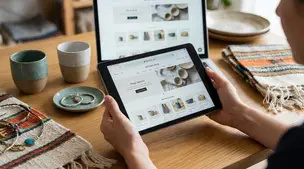
Etsy search and filters: where Materials and Occasion show up
How attributes affect discovery and clicks
On Etsy, “Materials” and “Occasion” live inside your listing attributes. Attributes are designed to describe clear characteristics of the item, and they can help your listing match buyer searches. They also power the filters shoppers use when narrowing results, which means these fields can influence both who sees your item and whether it looks like a perfect fit once it appears.
Here’s the practical takeaway: when a shopper filters for a material (or lands in a results page where that attribute matters), your listing only shows up if your attributes support it. That’s why accuracy beats creativity here. “Sterling silver” and “14k gold filled” help a buyer screen options fast. A vague or embellished entry tends to underperform because it is harder to filter and harder to trust.
Attributes also affect clicks. Shoppers who are comparing similar listings often scan for quick proof: “Is this actually wool?” “Is this really a wedding guest gift?” If your Materials and Occasion choices match the photos and first line of your title, the listing feels consistent, and consistency usually wins the click.
Materials and Occasion vs tags and categories
Think of Etsy SEO as three layers working together:
- Category: where the item lives in Etsy’s catalog. It determines which attributes you can fill out.
- Attributes (including Materials and Occasion): structured choices that act like additional keywords and filters.
- Tags: your flexible keyword space for long-tail phrases, style words, and buyer language.
A good rule is to treat Materials and Occasion as “checkbox truth,” and use tags for nuance. If Etsy offers an attribute option that fits, take it. Then use tags to capture how people actually search (like “minimalist gift” or “spring wedding favor”), without forcing those phrases into the Occasion field. Etsy’s own guidance on using attributes is worth skimming in their Seller Handbook article, Add attributes to help increase your shop's visibility.
Materials field best practices for accuracy and buyer trust
Use specific material names shoppers search
In the Materials field, specificity is your friend. Shoppers don’t usually search for “high quality metal.” They search for the actual thing: sterling silver, brass, resin, polymer clay, linen, oak, soy wax. Those exact words help Etsy understand what you’re selling, and they help buyers feel confident they’re comparing like with like.
When you’re choosing between two accurate options, go with the more precise one. “Wool” is fine, but “merino wool” is stronger if that’s what it is. “Leather” is fine, but “full grain leather” or “genuine leather” is more informative if it’s accurate and you can stand behind it.
Etsy’s own guidance is to add attributes that apply and skip the ones that don’t, because irrelevant attributes create a disappointing shopping experience. That principle applies directly to Materials. Add Attributes to Help Increase Your Shop's Visibility explains how attributes help listings match searches and filters.
Match the item’s primary materials, not every component
Treat Materials like a quick “what is it made of?” summary, not a full bill of materials. Lead with the parts a buyer is buying and touching.
A good mental checklist:
- What makes up most of the item by surface area or weight?
- What drives the price (gold, hardwood, leather, silk)?
- What affects wear, care, or allergies (nickel, wool, latex)?
Tiny components like glue, thread, jump rings, or packaging usually belong in the description if they matter, not in Materials.
Avoid misleading or marketing-only material terms
Skip material entries that are really marketing claims. Words like “eco,” “premium,” “hypoallergenic,” or “tarnish free” can be useful in your description, but they are not materials. The same goes for vague fillers like “metal,” “fabric,” or “crystal” when a more accurate term is available.
Be especially careful with regulated or commonly misunderstood terms. If it’s plated, filled, bonded, or imitation, label it that way. Materials that sound more valuable than they are may get clicks, but they also drive returns, bad reviews, and trust issues when the item arrives and the buyer feels misled.
Handling mixed materials, blends, and unclear inputs
Mixed material items: what to include and what to skip
Mixed-material listings are common on Etsy, and you do not need to cram every tiny component into the Materials field. The goal is clarity.
Include materials that are:
- Core to what the item is (wood + resin for a river table, cotton + elastic for a scrunchie).
- A major buyer decision factor (sterling silver vs stainless steel, wool vs acrylic).
- Important for care or sensitivity (wool, latex, nickel-containing metals).
Skip materials that are:
- Minor hardware and “background” components (glue, basic thread, standard earring backs) unless they are a key selling point or a common concern.
- Packaging (box, tissue paper), unless the packaging is part of the product itself.
If you’re unsure about a component, avoid guessing in Materials. Instead, confirm with your supplier or keep the listing honest in the description (for example, “metal alloy” or “metal type unknown” for true vintage finds where you cannot verify).
Blends and composites: common naming patterns
For blends, use the name a shopper would recognize and that reflects the actual composition. Common patterns that work well:
- “Cotton/poly blend” or “cotton and polyester” (apparel, tote bags)
- “Wool blend” (only if it’s truly a blend and you know wool is included)
- “Stainless steel” + “resin” (jewelry)
- “MDF” or “plywood” (laser-cut decor, shelving), when accurate
If Etsy’s attribute options don’t include your exact wording, choose the closest accurate option and capture the more specific phrase in tags or the description. Etsy’s guidance on choosing the best-fitting attributes is covered in How to Use Attributes When Listing an Item.
When to say “plated”, “filled”, or “solid”
Use these terms when they change the buyer’s expectations:
- Plated: a thin outer layer of a metal over a base metal (say “gold plated,” “silver plated”).
- Filled: a thicker bonded outer layer than plating (say “gold filled” if that’s what your findings or chain are).
- Solid: the piece is made primarily of that metal throughout (say “solid sterling silver” only if it’s truly sterling all the way through).
If you cannot verify which one applies, avoid “solid” language. Accurate wording here protects buyer trust and reduces returns.
Occasion attribute strategy for gift intent and seasonality
Choose the closest Etsy occasion, not a custom phrase
Etsy’s Occasion attribute is a structured choice, not a place to invent your own wording. Pick the option that most closely matches what the item is for. If none truly fit, it’s usually better to leave Occasion blank than to force an almost-right label.
This matters because attributes are used to help match listings to searches and filters. Etsy’s guidance is to choose the options that best describe your listing and skip irrelevant ones. If an attribute doesn’t offer an exact match, select the most relevant option available and lean on tags to add the missing nuance. How to Use Attributes When Listing an Item spells out that approach.
Use occasion to match gift moments and events
Occasion works best when your product clearly signals that event through its design, wording, packaging, or function. For example, a “Happy Retirement” mug, a graduation keepsake, or wedding favors should use the closest occasion because shoppers are filtering with a specific moment in mind.
Occasion is also helpful for seasonality when the item is truly event-based. A baby shower game or a “First Christmas as Mr. and Mrs.” ornament is tied to a moment, not just a general gifting vibe.
Avoid overusing occasions that don’t fit
A common mistake is treating Occasion like “gift ideas.” Almost anything can be a birthday gift, but that doesn’t mean it should be tagged as Birthday in attributes. Overusing Occasion can put your listing in front of the wrong shopper, lead to fewer clicks, and create mistrust when the item doesn’t match what the buyer expected.
A quick test: if a buyer filtered for that occasion, would they feel your item belongs there without needing an explanation? If the answer is “maybe,” keep Occasion blank and use your title, tags, and description to position it as giftable instead.
Keyword alignment: syncing Materials and Occasion with title and tags
Reuse exact phrasing across fields where natural
The simplest way to strengthen Etsy SEO is consistency. If your Materials field says “sterling silver,” try to use that exact phrase in your title or tags when it fits naturally. The same goes for occasions like “wedding” or “baby shower.” Repeating the same core terms helps buyers instantly confirm they found the right thing, and it avoids mixed signals for search.
A practical workflow is to pick 2 to 4 “anchor terms” from your attributes and make sure they appear somewhere prominent:
- 1 anchor material (or two, if it’s truly mixed material)
- 1 occasion term only if it’s genuinely occasion-specific
- 1 product type term (ring, banner, candle, etc.)
Keep the same intent across variations and personalization
Personalization can change what buyers are shopping for. A “name necklace” is often a birthday or bridesmaid gift. A “memorial necklace” is a sympathy purchase. If you offer multiple versions, keep your Materials consistent across all variations, but be careful with Occasion.
If a variation changes the event intent, consider splitting it into separate listings. It’s hard to have one listing accurately target “wedding favors,” “Mother’s Day gift,” and “memorial keepsake” at the same time without confusing shoppers. Etsy is also clearer about what you sell when each listing has one main job.
Prevent keyword conflicts that confuse search relevance
Keyword conflicts happen when your attributes say one thing and your title or tags say another. Common examples:
- Materials say “stainless steel,” but the title leads with “silver necklace” (buyers may expect sterling silver).
- Occasion says “wedding,” but the title and photos read like everyday wear.
- Tags push “gold,” but the materials are gold plated or gold tone.
Aim for alignment, not maximum coverage. It’s usually better to rank for fewer searches with higher purchase intent than to show up in more searches and get skipped. When you keep Materials, Occasion, title, and tags telling the same story, you improve both relevance and buyer trust.
Category-specific Materials and Occasion examples shoppers recognize
Jewelry and accessories examples
For jewelry, Materials is often the first trust check. Buyers want to know what metal touches skin, what will tarnish, and what is an actual gemstone versus a lookalike. Strong, shopper-recognized materials include sterling silver, stainless steel, 14k gold filled, brass, enamel, resin, polymer clay, freshwater pearl, and leather.
Occasion works best when the piece is clearly designed for the moment. Examples that usually make sense: bridesmaid jewelry, bridal hair accessories, graduation jewelry, memorial jewelry, or anniversary gifts. If it’s a simple everyday hoop earring, skip Occasion and let your tags cover gift intent like “birthday gift” or “minimalist jewelry.”
Home decor and gifts examples
Home decor buyers often filter by what something is made of because it affects durability and style. Materials that read clearly: solid wood (with the wood type if known), oak, walnut, maple, ceramic, stoneware, concrete, glass, soy wax, beeswax, cotton canvas, and wool.
For Occasion, use it when the item is event-forward. Think: holiday ornaments, Christmas stockings, Halloween signs, Easter basket tags, housewarming gifts, wedding signage, and baby shower games. A neutral vase or a minimalist wall print can be giftable, but it doesn’t need an Occasion unless it’s explicitly made for that event.
Apparel and baby items examples
In apparel, shoppers look for comfort and care cues. Materials like 100% cotton, linen, merino wool, cashmere, denim, fleece, bamboo (viscose/rayon), and cotton-poly blend are common terms buyers understand. If you sell baby items, “organic cotton” can matter to shoppers, but only use it when it’s truly certified by your supply chain and you can support the claim.
Occasion can help for items that are literally worn for an event, like a birthday outfit, first birthday shirt, baby shower outfit, christening gown, or holiday pajamas. For everyday basics, keep Occasion off and focus on accurate Materials plus sizing, fit, and use-case keywords in your title and tags.
Efficient ways to update Materials and Occasion across many listings
Batch editing and saving time on updates
If you have more than a handful of listings, updating Materials and Occasion one-by-one can turn into a time sink. Start by grouping listings that should share the same attribute set, like “all sterling silver studs” or “all Christmas ornaments.”
In Etsy Shop Manager, the built-in bulk edit tool lets you update several listing elements at once from your Listings page. It’s ideal for supporting edits that go along with an attribute cleanup, like aligning titles, tags, or sections after you standardize Materials and Occasion. Etsy outlines the bulk edit workflow in Can I Create or Edit Multiple Listings at Once?.
For brand-new product lines, copying a well-optimized listing can also save time. Build one “gold standard” listing with the right category and attributes, then copy it and adjust photos, materials, and occasion per item.
When to revise after customer questions and reviews
Treat buyer messages as a free audit. If shoppers keep asking “Is this real silver?” or “Is it wool or acrylic?”, update Materials immediately and add a clarifying line near the top of your description.
Same with reviews. When multiple buyers mention surprises (weight, feel, finish, metal type), it’s a signal your Materials field may be too vague, or your listing has mixed wording like “silver” in the title but “stainless steel” in materials.
Keeping fields compliant with handmade and supply rules
Materials and Occasion should describe the item honestly, and they should match what you are actually selling in that category. If you sell in Handmade, avoid implying you made or designed something you didn’t. Etsy is clear that reselling isn’t allowed in Handmade listings, and that sellers must follow Etsy’s marketplace criteria. What Can I Sell on Etsy? is the best quick refresher when you’re unsure.
Related posts
Keep reading
Etsy Featured Listings: How to Curate Your Shop Homepage
Etsy featured listings help spotlight bestsellers on your Shop Home; pick 4 (or sections), order them for cohesive photos, and rotate a queued set for seasons.

Selling Jewelry on Etsy: Metal Disclosure and Allergy Considerations
Selling jewelry on Etsy: List exact metals, flag nickel sensitivity, and support hypoallergenic wording with supplier docs or testing to reduce buyer issues.

Etsy SEO Tips to Rank Higher in Search
Happy Etsy SEO tips for sellers: master keywords, titles, tags, photos, reviews, free shipping, and conversions to rank higher in Etsy search and boost sales.

Selling Mugs on Etsy: Dishwasher/Microwave Claims Without Risky Promises
Selling mugs on Etsy: Practical wording for dishwasher-safe and microwave-safe claims, plus care notes and limits to match your materials without overpromising.

EU GPSR and Etsy Sellers: What Product Safety Info to Prepare
EU GPSR for Etsy sellers: prep manufacturer and EU Responsible Person contact details, product IDs, plus clear safety warnings and instructions by country.

How to Write Etsy Image Alt Text for Accessibility and SEO
Etsy image alt text that names materials, size, and key views, replaces Etsy's auto descriptions, and improves accessibility plus Google image search.