
Selling Jewelry on Etsy: Metal Disclosure and Allergy Considerations

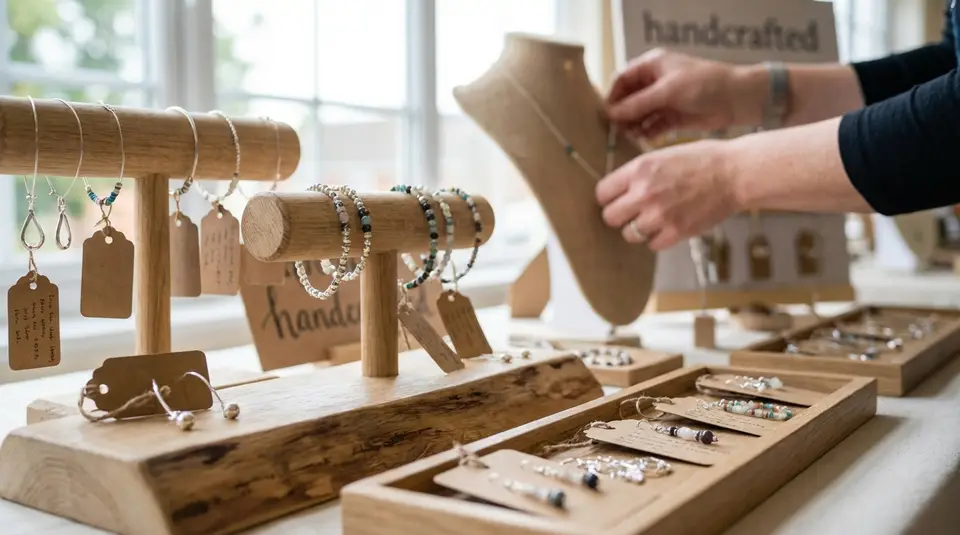
Metal disclosure is one of the simplest ways to build trust when selling jewelry on Etsy, because buyers want to know exactly what will touch their skin. Be specific about every component, not just the pretty part: the base metal, any plating or vermeil layer, and the findings that often cause reactions (ear wires, jump rings, clasps, chains). If there’s any chance of nickel exposure, say so plainly, and avoid using “hypoallergenic” unless you can confidently support the claim with your materials or documentation. A surprising number of complaints come from a tiny, overlooked part that was never mentioned in the listing.
Nickel allergy and jewelry reactions buyers should know
Common symptoms and common triggers
Nickel allergy is a form of allergic contact dermatitis. For jewelry buyers, it often shows up as itching, redness, swelling, dryness, or a rash where the metal touches skin. In more persistent cases, the area can become scaly, cracked, or weepy, especially if the jewelry is worn daily.
The tricky part for Etsy sellers is that reactions are often blamed on “the necklace” or “the earrings,” when the real trigger is a small component. Common culprits include:
- Earring posts, backs, and ear wires
- Clasps, jump rings, and extender chains
- Pendant bails, chain connectors, and charm loops
- Plating that wears thin over time, exposing a base metal underneath
Sweat, friction, and moisture can make symptoms worse. So can long wear (sleeping in earrings, all-day bracelets), workouts, hot weather, and lotions or perfumes trapped under jewelry. Even when a piece is described as “nickel-free,” buyers may still react to other metals, or to finishes and residues. That is why clear, specific metal disclosure matters as much as your design photos.
Who is most likely to react to nickel
Nickel sensitivity is common, and many buyers already know they react to certain earrings, watch backs, or belt buckles. People with a history of skin sensitivities, eczema, or prior reactions to costume jewelry are more likely to be cautious. New piercings can also be more reactive because the skin is healing and more vulnerable to irritation.
From an Etsy listing perspective, assume a portion of your audience is shopping specifically to avoid reactions. When you name the metal for every touchpoint (posts, backs, clasps, chain, and plating), those buyers can self-select confidently. It also reduces preventable messages, refunds, and “it made my ears itch” reviews tied to missing details.
Nickel-free vs hypoallergenic jewelry claims and what they really mean
“Nickel-free” wording and buyer expectations
“Nickel-free” sounds simple, but buyers often read it as “this will not cause a reaction.” Those are not the same promise. In real-world jewelry making, nickel risk can come from a small part you didn’t manufacture (a clasp, jump ring, or earring back), from mixed-metal supply chains, or from base metal showing through once plating wears.
If you use “nickel-free,” make it specific. State which parts are nickel-free (posts only, or the entire piece). If you have supplier specs, keep them on file. In the US, the FTC’s Jewelry Guides are a good reminder that metal content claims should be truthful, accurate, and not misleading.
“Hypoallergenic” wording and safer alternatives
“Hypoallergenic” is a marketing term, not a guarantee. Different people react to different things, and a buyer can still have a sensitivity to copper, cobalt, chromium, adhesives, or even cleaning residues. On Etsy, the safer approach is usually to skip the label and lead with facts.
Instead of “hypoallergenic,” use precise materials language buyers can evaluate, like “titanium posts,” “niobium ear wires,” or “14k solid gold.” You can still reassure shoppers, but do it in a measured way: “chosen for sensitive ears” or “commonly tolerated metals,” paired with a clear note that skin reactions vary by person.
“Sensitive skin” claims that can mislead
“Sensitive skin” can be helpful when it’s backed by specifics. It becomes misleading when it’s used as a vague substitute for metal disclosure. If the listing does not name the exact metal that touches skin, buyers have no way to assess risk.
A clean pattern for Etsy listings is: name the exact metal, name the finish (plated, vermeil, gold-filled), and then add a short boundary like “If you have known metal allergies, please message me before ordering so I can confirm components.” That protects buyers and reduces preventable order issues.
Jewelry metals and findings least likely to cause reactions
Titanium, niobium, and surgical stainless steel
For many Etsy jewelry sellers, the lowest-drama upgrade is swapping the parts that touch skin: ear wires, posts, and backs. Titanium (often sold as “implant grade” or “ASTM” titanium) and niobium are widely used for sensitive ears because they’re very stable metals and typically contain no nickel in the alloy. They’re especially useful for earrings, where reactions are most common.
“Surgical stainless steel” can be a good option, but it’s a broad term. Many buyers look for 316L/316LVM stainless steel for posts and findings. Even then, stainless steel can still contain nickel in the alloy, and sensitivity varies. If you use it, name the grade your supplier provides and avoid implying it’s risk-free.
Solid gold, vermeil, and gold-filled basics
Solid gold (like 14k or 18k) is often well tolerated, but not always. That’s because gold alloys can include other metals, and some people react to those. The practical Etsy move is to list the karat and, when known, the alloy color (yellow, white, rose) since alloy mixes differ.
Gold-filled jewelry gives a thicker, more durable gold layer than typical plating, so it often holds up better for everyday wear. Vermeil is gold over sterling silver, which many buyers prefer over gold over brass. Still, both gold-filled and vermeil can irritate some wearers, especially with sweat and friction, so it helps to keep claims factual and specific.
Plated jewelry and when plating wears off
Plated jewelry is where most “surprise reactions” happen. Plating can wear at high-friction points (rings, clasps, bracelet edges) and expose the base metal underneath. On Etsy, disclose both: the plating metal and the base metal (for example, “14k gold plated over brass”). If you don’t know the base metal for a bought-in component, it’s better to replace that part or leave it out than to guess.
Testing and standards for nickel release and metal verification
EN 1811 and the EU Nickel Directive basics
If you sell jewelry on Etsy to EU buyers, or you want a solid benchmark for “nickel-safe” claims, it helps to understand nickel release versus nickel content. The EU regulates nickel based on how much nickel can migrate from jewelry into skin over time, not just whether nickel exists somewhere in an alloy.
Under EU REACH restrictions for nickel, the commonly referenced migration limits are 0.2 μg/cm²/week for post assemblies used in piercings and 0.5 μg/cm²/week for items intended for direct and prolonged skin contact. Those limits are written into the regulation itself, along with examples of covered articles like earrings, necklaces, bracelets, rings, watch backs, and metal parts on clothing like zippers and rivets. The full language is in REACH Annex XVII, Entry 27 (Nickel).
EN 1811 is the widely used reference test method for measuring nickel release. In plain terms, it uses an artificial sweat solution over a set time period and a lab analysis method to quantify nickel release per surface area.
DMG spot tests vs lab testing
DMG (dimethylglyoxime) spot tests are popular because they’re quick and inexpensive. They can be useful as a screening tool, especially for checking incoming batches of clasps or ear wires.
But DMG tests have real limits. They can miss low but still meaningful nickel release, and results can vary depending on coatings, surface condition, and how the test is performed. For any claim that could affect buyer health or a refund dispute, a quantitative lab test is the safer standard.
Using XRF reports and mill certificates in listings
XRF (X-ray fluorescence) reports and mill certificates are best used to support metal composition statements (like “sterling silver” or “316L stainless steel”). They do not automatically prove nickel release compliance, especially for plated items.
On Etsy listings, treat documents as backup for accurate materials disclosure. Keep wording practical: “Material verified by supplier certificate” or “XRF-verified sterling silver,” and avoid turning documentation into an absolute “won’t cause reactions” promise.
Etsy listing disclosures for metal content and allergy risk
Where to disclose materials in an Etsy listing
On Etsy, the goal is to make metal details easy to spot in more than one place, without overwhelming the buyer.
Put your key metal facts in:
- Title (lightly): the shopper-friendly headline metal, like “sterling silver” or “titanium posts,” when it’s a main selling point.
- Materials and attributes: select the closest options Etsy provides, and stay consistent with the description.
- Description (most important): list every metal that can touch skin, including small parts like posts, backs, jump rings, clasps, extender chains, and pendant bails.
- Variations or personalization: if buyers can choose “sterling silver hooks” vs “titanium hooks,” make the choice explicit there.
- Photos: one simple text overlay image can reduce “what metal is this?” messages.
If anything is plated, disclose plating metal + base metal together. Buyers with allergies are usually scanning for that exact line.
Copy-ready metal disclosure lines for common materials
Use these as drop-in lines and adjust to match your exact components:
- “Earring posts and backs: titanium. Charm: sterling silver.”
- “Chain and clasp: 925 sterling silver.”
- “14k gold filled chain and clasp (not plated).”
- “Gold vermeil (14k gold over 925 sterling silver).”
- “14k gold plated over brass. Please note plating can wear with time and friction.”
- “Stainless steel ear wires (supplier listed as 316L).”
Avoiding absolute promises and misleading tags
Avoid lines like “guaranteed hypoallergenic” or “won’t cause reactions.” Even if your materials are high quality, you can’t predict a buyer’s skin. Keep your language factual, and don’t drift into health claims like “prevents rashes” or “treats eczema,” which can violate Etsy’s rules on medical claims. A safer close is: “If you have known metal allergies, message me before ordering so I can confirm components.”
Handling allergy messages, refunds, and problem orders professionally
Pre-purchase questions and clear boundaries
Allergy questions usually come in two forms: “Is this nickel-free?” and “Will this work for sensitive ears?” Answer quickly, but stick to facts you can prove. Restate the exact metals that touch skin, including posts, backs, clasps, and any plated surfaces. If you do not know the base metal of a component, say so plainly and offer an alternative.
Set a clear boundary in your Etsy messages and in your FAQ style text. You can’t diagnose allergies. What you can do is help the buyer make an informed choice. A good, calm line is: “I can confirm materials, but I can’t guarantee how any individual will react.”
Returns, exchanges, and “reaction” claims
When a buyer says they had a reaction, treat it as a customer service moment, not a debate. Ask one or two practical questions: which part was worn (posts vs hooks), how long they wore it, and whether any lotions, sweat, or water exposure were involved. Keep the tone neutral.
Then lean on your shop’s posted policies. If you offer returns, follow your normal return flow. If you cannot accept returns for hygiene reasons (common with earrings), you can still offer a reasonable resolution like a component swap, store credit, or a one-time exception when it makes business sense. The key is consistency. Make sure your return rules, timelines, and item conditions are clearly written in your Etsy policies so you are not improvising under pressure.
Documenting issues and preventing repeat problems
Track every reaction complaint like a quality-control report. Save the Etsy message thread, note the SKU, and record the supplier lot if you have one. If multiple buyers react to the same finding, stop using that batch and retest or replace the component.
To prevent repeats, standardize your build: use the same verified posts, backs, and clasps across product lines, and update listings when you change suppliers. If you decide to tighten your language (for example, removing “hypoallergenic” and switching to “titanium posts”), apply the update across every relevant Etsy listing so buyers see the same disclosure everywhere.
Jewelry care tips that reduce irritation and tarnish exposure
Cleaning routines that remove irritants
A lot of “allergy” complaints are really irritation from buildup. Skin oils, sweat salts, soap residue, and perfume can sit between metal and skin and make redness more likely. Simple care instructions in your Etsy listing can reduce this.
For most everyday jewelry, suggest a gentle routine: wipe pieces after wear with a soft, clean cloth. For deeper cleaning, use mild soap and lukewarm water, then rinse well and dry completely. Avoid harsh cleaners, disinfectants, or abrasive polishing on plated items, since they can thin coatings faster. If you sell sterling silver, a silver polishing cloth is usually fine for the silver parts, but remind buyers not to aggressively polish gold plating.
Storage tips that protect plating and coatings
Storage matters because tarnish and worn plating can increase skin exposure to underlying metals. Encourage buyers to store jewelry dry and separately so pieces don’t rub together. Small zip bags, soft pouches, or divided boxes work well.
Water and humidity are the big enemies for plated jewelry. A simple line like “remove before showering, swimming, or working out” sets realistic expectations. It also reduces premature wear that can lead to discoloration and irritation.
When to replace ear wires, posts, and backs
If a buyer is sensitive, the fastest fix is often swapping the parts that touch skin. Recommend replacing ear wires, posts, and backs if they show discoloration, flaking plating, rough spots, or persistent tarnish that returns quickly. Those surface changes can increase friction and exposure.
For Etsy sellers, offering an easy “hardware refresh” option can prevent returns: replacement backs, upgraded titanium posts, or new ear wires. It’s a small add-on, but it can turn a problem order into a long-term customer who trusts your metal disclosure.
Related posts
Keep reading

How Much Money Can You Make Selling on Etsy?
Discover realistic Etsy income ranges, profit margins, fees, and proven tips to boost sales so you can grow your handmade or digital product shop confidently.

How to Break Even Faster on Etsy
Learn how to break even faster on Etsy with smart pricing, fee-cutting tactics, bestseller research, SEO-powered listings, and affordable Etsy Ads strategies.

Why Sell on Etsy? Key Benefits Explained
Discover why selling on Etsy boosts your handmade brand visibility, low startup costs, built-in traffic, loyal buyers, and flexible, low-risk income.

What Products Can You Sell on Etsy?
Discover exactly what you can sell on Etsy—from handmade crafts and digital downloads to vintage treasures and craft supplies—and start growing a joyful shop today.

EU GPSR and Etsy Sellers: What Product Safety Info to Prepare
EU GPSR for Etsy sellers: prep manufacturer and EU Responsible Person contact details, product IDs, plus clear safety warnings and instructions by country.
Selling Apparel on Etsy: Care Label Requirements Explained
Etsy care label requirements: what goes on apparel tags, where to attach them, when hangtags work, plus US fiber content and origin basics for handmade shops.