
Selling Apparel on Etsy: Care Label Requirements Explained

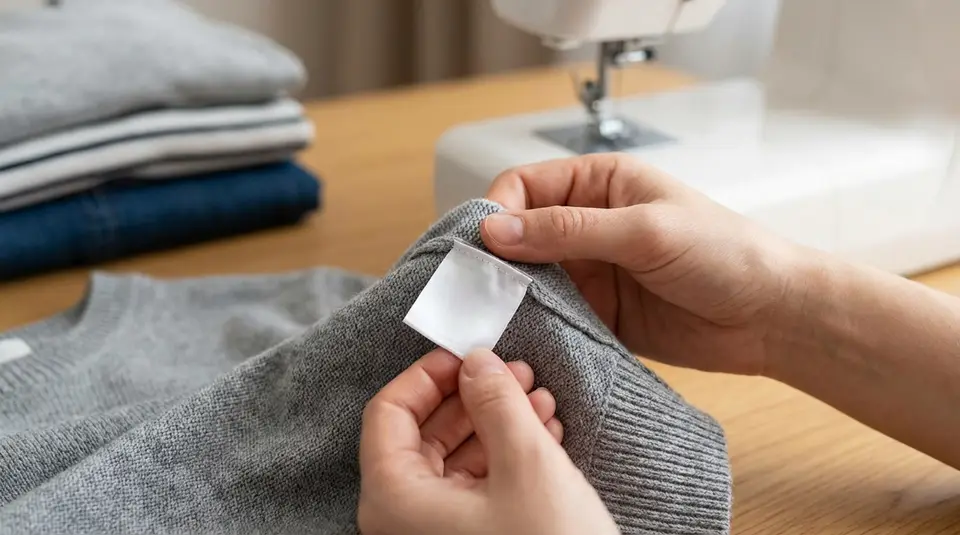
If you sell handmade or sourced clothing on Etsy, care label requirements are the baseline rules that tell buyers how to clean a garment safely and set clear expectations after delivery. In the U.S., most apparel needs a permanent, readable label attached to the item that gives at least one safe method of regular care, plus any necessary warnings like “do not iron” or “wash separately” when a reasonable customer might otherwise assume it is fine. Many garments also need separate textile labeling details such as fiber content, country of origin, and a business name or RN number. One common slip is using “Dryclean only” or a hangtag without solid support or a truly durable label.
Etsy apparel care label rules: what applies to your products
Products covered and common exemptions
Most apparel sold on Etsy is covered by the same care label rules that apply everywhere else. In the U.S., the FTC’s Care Labeling Rule generally covers textile wearing apparel: clothing worn to cover or protect the body. That typically includes shirts, dresses, pants, skirts, hoodies, pajamas, and similar items.
A few categories are commonly treated differently. The FTC guidance lists shoes, gloves, and hats as exempt apparel, and also calls out items like belts, suspenders, neckties, handkerchiefs, and certain non-woven one-time-use garments as excluded from the care label requirement. If you sell piece goods (fabric) for customers to make clothing at home, that can be covered too in some cases.
There’s also a specific exemption for totally reversible apparel without pockets. Even then, consumers still must get care information, but it may be provided on a hangtag or packaging rather than a permanent label.
On Etsy, the key practical takeaway is simple: if your product is clothing, assume a permanent care label is required unless you’re confident it falls into a narrow exemption.
Handmade, vintage, and made-to-order edge cases
“Handmade” does not mean “exempt.” If you make apparel yourself, you are effectively acting as the manufacturer, so you should plan for compliant care instructions and any other required textile label details.
For made-to-order items produced with outside help, treat labeling as part of your production workflow. Etsy also expects transparency: if you use a production partner, disclose it in the listing, and remember that sellers are responsible for required labels and warnings under Etsy’s policies (Etsy Seller Policy).
For vintage, you may see garments with older labels, missing labels, or nonstandard care terms. Avoid guessing. If you cannot reasonably support a specific method, share conservative care guidance in the listing and packaging, and do not remove or replace original labels in a way that could confuse buyers.
What information must be on an apparel label
Care instructions and care symbols
For most clothing sold in the U.S., the care label needs to tell the buyer how to clean the item in normal use. In general, it must include at least one safe method: washing instructions or drycleaning instructions. If neither washing nor drycleaning is safe, the label has to clearly say so. The FTC also expects warnings when a shopper might reasonably assume something is fine, but it would damage the garment, such as “Do not iron” or “Wash separately.” The FTC’s guidance in Clothes Captioning: Complying with the Care Labeling Rule is a good plain-English reference for what “complete” instructions mean.
You can use words, symbols, or both. If you use symbols, make sure they are allowed for your target market and used correctly. In many countries, the common care icons tied to ISO 3758 are controlled through licensing (often associated with GINETEX), so do not copy-paste a symbol set from the internet without checking usage rights.
For Etsy sellers, a practical approach is to keep the label clear and conservative. Match it to the fabric, print method, and trims. Then mirror the same instructions in your listing description and packaging insert to reduce “item damaged in wash” complaints.
Fiber content, origin, and business identity
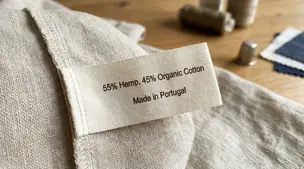
Care instructions are only one piece. Many apparel items also need fiber content, country of origin, and an identity for the responsible business (company name or an FTC Registered Identification Number, for U.S. businesses). Fiber content is typically listed by generic fiber name and percentage by weight. Country of origin labeling rules are strict, so avoid unqualified “Made in USA” unless you truly meet the standard.
If you sell on Etsy and use blanks (like tees or hoodies), confirm what labeling is already present and whether adding your own label creates conflicts. If you cut-and-sew, you are responsible for getting these basics right.
Minimal compliant label text examples
-
Basic washable tee:
100% Cotton
Machine wash warm. Tumble dry medium. -
Heat-sensitive print:
52% Cotton / 48% Polyester
Machine wash cold, inside out. Tumble dry low. Do not iron decoration. -
Color bleed risk:
100% Viscose
Hand wash cold. Do not bleach. Line dry. Wash separately. -
Dryclean only (supported):
100% Wool
Professionally dryclean. No steam.
Label placement, permanence, and readability requirements
Sewn-in labels vs hangtags vs stickers
For most apparel, the safest assumption is that the care label needs to be permanently attached to the garment. In practice, that usually means a sewn-in satin tag, a woven label, or a printed label designed to last through the item’s normal life and normal cleaning.
Hangtags can work in limited situations, but they are not a universal workaround. If the law expects a permanent label for that type of garment, a hangtag that gets removed at unboxing is risky. Hangtags are best used as a helpful backup: include the same care instructions on a hangtag or care card, but still put the required care info on the garment itself when needed.
Stickers are generally a poor fit for care labels on apparel. Adhesives tend to peel, fade, or leave residue after washing. A sticker can be fine on outer packaging for extra guidance, but it should not be your only care label for clothing that needs a permanent one.
Placement is not one perfect spot, but it should be easy for a buyer to find without damaging the item. Common placements are the back neck area for tops, a side seam, or the inside waistband for bottoms. If the garment has multiple layers or reversible construction, plan placement so the label is still accessible and doesn’t ruin comfort.
Legibility, language, and durability basics
A compliant label also has to be readable and understandable. Use clear wording, good contrast, and a font size that a typical customer can read without strain. Avoid tiny, low-contrast printing that disappears after a few washes.
In the U.S., provide instructions in English. You can add additional languages, but do not replace English if you are selling to U.S. buyers.
Durability matters. The care label should hold up to the cleaning method you recommend. If you tell customers to machine wash, the label itself should survive machine washing. If you print labels, test them like a customer would: wash, dry, and check for fading, peeling, or ink bleed. This is one of the simplest ways Etsy sellers can prevent avoidable returns and “not as described” messages.
US requirements for clothing labels (FTC Care Labeling Rule)
Reasonable basis for care instructions
In the U.S., the FTC’s Care Labeling Rule is built around one idea: your care instructions must be true, clear, and supportable. The FTC calls this having a “reasonable basis.” In plain terms, you need reliable evidence that the garment can be cleaned the way your label says, without causing substantial damage when the instructions are followed.
What counts as a reasonable basis depends on the product. Sometimes industry knowledge and experience is enough, especially for straightforward fabrics and standard construction. Other times you should lean on testing. That is especially true when you are using things that commonly fail in cleaning, like dyes that can bleed, delicate trims, heat-sensitive vinyl, bonded interfacings, or glued-on embellishments. Also remember the care claim applies to the whole garment, not just the fabric. A “machine wash” label is not well-supported if the fabric survives, but the lining shrinks or the decoration cracks.
For Etsy sellers, this matters because “Dryclean only” is not just a preference. The FTC is clear you should not use it unless you have proof washing would harm the item. If you cannot support a stronger claim, choose a safer instruction you can support, and add specific warnings (for example, “Do not iron decoration,” or “Wash separately”) when a customer might reasonably do something that would damage the piece.
Textile, Wool, and Fur Act basics
Separate from care, U.S. labeling laws often require what it’s made of and who’s responsible for it:
- Textile products (Textile Act): most textile apparel needs fiber content, country of origin, and a business name or FTC RN number.
- Wool products (Wool Act): if your item contains wool (including cashmere), wool labeling rules apply and can cover items that might be exempt under the Textile Act.
- Fur products (Fur Act): items made partly or fully with fur have their own label disclosures, including the animal name (per the Fur Products Name Guide), “Fur Origin,” and treatment disclosures when applicable.
If you relabel blanks or remove an original compliant tag, you can trigger extra responsibilities. When in doubt, treat your Etsy shop like a small manufacturer: keep your supply details, test notes, and label files organized so you can show how you arrived at your care and content claims.
EU and UK clothing label requirements sellers run into
EU Textile Regulation fiber naming rules
If you ship apparel to EU customers, the requirement you will run into most often is fiber composition labeling, not care instructions. Under Regulation (EU) No 1007/2011, the fiber names on labels must use the official EU textile fibre names, and multi-fiber products should show the percentages by weight (typically in descending order).
A few practical rules matter for Etsy sellers:
- Do not invent fiber terms. Use accepted names (for example, “elastane” is common in EU contexts, where U.S. buyers might expect “spandex”).
- If your product contains non-textile parts of animal origin (like a leather patch or leather strap on an otherwise textile item), the label needs to state that.
- Labels should be durable, legible, visible, and accessible, and generally provided in the official language(s) of the country where the item is sold.
Care instructions are widely expected by shoppers and can reduce returns, but the EU textile fiber regulation itself is about fiber naming and composition.
UK notes for care and fiber labeling
For Great Britain (England, Scotland, Wales), the UK’s core approach is similar: fiber content labeling is the headline requirement for most textiles. The UK’s textile labelling guidance emphasizes that the label must show fibre content, including fur and other animal parts, and that if a product has multiple components with different fibre contents, each component’s fibre content must be shown.
Care labels in the UK are common and smart for customer experience, but treat them as separate from fibre composition labeling. If you sell on Etsy into the UK, aim for consistency across three places: the garment label, the listing description, and any care card you include in the package. That consistency is what prevents avoidable “not as described” disputes.
Etsy listings and packaging that match your care labels
Where to show care info on product pages
Your Etsy listing is where most buyers decide how “high maintenance” an item feels. So even if you include a sewn-in care label, also repeat the key care points on the product page.
A simple pattern works well:
- One short care line near the top of the description (easy to scan on mobile).
- A fuller care paragraph lower down with specifics like water temperature, drying method, and any “do not iron” or “wash separately” warnings.
If the item has multiple materials (for example, a cotton sweatshirt with a vinyl design), call that out. Buyers often follow care instructions that match the fabric, then damage the decoration. Matching your listing text to your physical label reduces “not as described” issues later.
Photos, variants, and personalization fields
Use photos to prevent care-related surprises. One image that clearly shows the actual label (or a close-up of the care tag you will attach) builds trust fast, especially for higher-priced apparel.
If care changes by option, make it hard to miss:
- Variations: if one fabric blend is machine washable and another needs gentler care, add a clear note in the variation name or description.
- Personalization: if buyers choose add-ons like foil, puff vinyl, or special trims, mention any new limitations (like “no high heat” or “line dry preferred”) right in the personalization instructions.
The goal is consistency: the option the buyer selects should map to the same care guidance on the listing, the label, and your order message.
Packing slips, inserts, and digital care cards
Packaging is your last chance to make care stick. Include a small care card that repeats the label in plain English, plus one or two “save this item” tips (inside-out washing, low heat, skip fabric softener if relevant). You can also add care instructions to a custom note on Etsy packing slips so the reminder travels with every order, even when you are busy fulfilling. Etsy explains how to print and customize these slips in its guide to Packing slips and order receipts.
For digital care cards, keep them simple: a QR code to a single page with the same care wording as your label, not new instructions that conflict.
Related posts
Keep reading

How Much Money Can You Make Selling on Etsy?
Discover realistic Etsy income ranges, profit margins, fees, and proven tips to boost sales so you can grow your handmade or digital product shop confidently.

How to Break Even Faster on Etsy
Learn how to break even faster on Etsy with smart pricing, fee-cutting tactics, bestseller research, SEO-powered listings, and affordable Etsy Ads strategies.

Why Sell on Etsy? Key Benefits Explained
Discover why selling on Etsy boosts your handmade brand visibility, low startup costs, built-in traffic, loyal buyers, and flexible, low-risk income.

What Products Can You Sell on Etsy?
Discover exactly what you can sell on Etsy—from handmade crafts and digital downloads to vintage treasures and craft supplies—and start growing a joyful shop today.

How to Use FAQ Images in Etsy Listings to Reduce Questions
Etsy FAQ images that answer shipping, sizing, and customization upfront, with readable mobile-friendly design, order, and wording tips to cut repeat messages.
Textile Labeling Basics: Fiber Content and Country of Origin (Seller Guide)
Textile labeling basics for sellers: fiber percentages, approved generic names, RN/identity, and country of origin placement to meet FTC rules without guesswork.