
SpySeller

Should You Require Signature Confirmation for Etsy Orders?

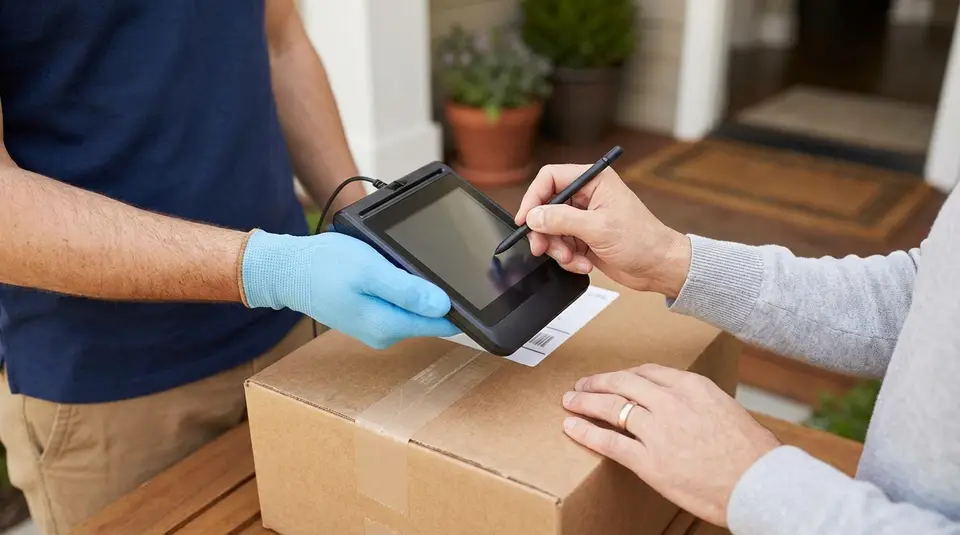
Requiring signature confirmation for Etsy orders can feel like a smart way to prevent package theft, protect high-value items, and support seller protection and purchase protection requirements—but it can also delay deliveries, create pickup hassles, and even frustrate happy customers who just want doorstep drop-off. Balancing safety, cost, and convenience is key.

In this guide, we’ll walk through when signature confirmation actually helps you as a seller, how it interacts with tracking, insurance, and Etsy’s protection programs, and when it’s better to offer it as an optional upgrade instead of a default rule. By the end, you’ll feel confident deciding if you should require signature confirmation for Etsy orders.

What does signature confirmation mean for Etsy orders?

Signature confirmation for Etsy orders means the delivery carrier will not leave the package unattended. Instead, someone at the address must sign for it before it is marked as delivered. That signature is recorded and stored with the tracking history, so you have clear proof that the order was handed to a person, not just left on a porch.

For Etsy sellers, signature confirmation is mainly about protection. It adds an extra layer on top of normal tracking, which can be very helpful if a buyer later says, “I never got my package,” or if porch piracy is common in their area. For buyers, it usually means more security, but also a bit more planning, because someone needs to be available to accept the delivery.

How signature-required delivery works with USPS, UPS, and other carriers

With USPS, you can add Signature Confirmation as an extra service to many domestic mail classes. A carrier will attempt delivery and collect a signature from someone at the address, usually an adult. The signed delivery record is then attached to the tracking details online. If no one is home, USPS leaves a notice and usually holds the package at the post office or attempts redelivery. USPS also offers stricter options like Adult Signature and Restricted Delivery, which limit who can sign and may require ID.

UPS offers similar services. With UPS Signature Required, the driver must obtain a signature from the recipient or another responsible person at the address before releasing the package. If no one is available, UPS leaves a notice and tries again or holds the parcel at a local facility. There is also UPS Adult Signature Required, which is used for age‑restricted or high‑risk items and requires an adult to sign.

Other major carriers work in much the same way: you choose a signature option when you buy the label, the driver attempts delivery, and the package is either signed for or held until someone can sign. In every case, the key idea is that the parcel is never simply dropped and left without a human handoff.

Difference between tracking, delivery confirmation, and signature required

These three terms sound similar, but they are not the same thing:

  • Tracking Tracking is the basic scan history you see for almost every Etsy shipment. It shows when the label was created, when the package was accepted, and when it was delivered or an attempt was made. Tracking alone does not prove who received the package. It only proves that the carrier scanned it as delivered to an address.

  • Delivery confirmation In many carrier systems, “delivery confirmation” is essentially the final tracking scan that says “Delivered” with a date, time, and sometimes GPS or a photo. It confirms that the carrier believes they delivered the parcel, but again, it does not include a signature. If a package is stolen after being left at the door, delivery confirmation will still show it as successfully delivered.

  • Signature required / signature confirmation Signature required (or Signature Confirmation) is an extra service layered on top of tracking. The carrier must obtain a handwritten or electronic signature at the time of delivery, and that signature is stored with the tracking record. This gives you proof that a real person accepted the package at that address, which is much stronger evidence than a simple “Delivered” scan.

In short:

  • Tracking = where the package is and when it was scanned.
  • Delivery confirmation = a final “Delivered” scan, but no signer.
  • Signature required = delivered plus a recorded signature from someone at the address.

Pros and cons of requiring a signature on Etsy shipments

Requiring a signature on Etsy shipments can protect you, but it also changes the buyer’s delivery experience. Think of it as a security upgrade that comes with a bit of extra friction.

Benefits for sellers: proof of delivery, fewer “item not received” issues

For sellers, the biggest benefit of signature-required shipping is stronger proof of delivery.

With standard tracking, you usually get a scan that says “Delivered” at a certain time and ZIP code. With signature confirmation, the carrier records that someone at the address physically accepted the package, often with a name and sometimes a digital signature image. That can:

  • Make it easier to show that the order reached the buyer’s address if there is a non‑delivery dispute. Etsy already looks for valid tracking that shows delivery when reviewing cases. Signature adds an extra layer of evidence on top of that.
  • Reduce casual “item not received” claims, because buyers know they will need to sign and that the delivery is traceable to a person, not just a doorstep.
  • Help in situations where neighbors, roommates, or building staff might otherwise walk off with a package left in a lobby or on a porch.

For higher‑value orders that are not fully covered by Etsy’s Purchase Protection limits, many experienced sellers pair signature with insurance as part of their risk‑management strategy.

How signature requirements affect buyers and their delivery experience

From the buyer’s side, signature-required shipping can feel very different from a normal delivery.

Positives for buyers:

  • Extra peace of mind for expensive or sentimental items.
  • Less chance of a package being stolen from a doorstep or apartment lobby.

But there are real downsides:

  • Someone must be available to sign. If no one is home, the carrier may leave a notice and take the package back to the local facility. The buyer then has to arrange redelivery or go pick it up, sometimes within a short window.
  • Missed attempts can lead to delays, and in some cases the package is returned to you if it is never collected. That can mean extra shipping costs, frustrated buyers, and possible refunds or reships.
  • Some buyers simply dislike signature-required deliveries because of past bad experiences with local carriers, long lines at the post office, or accessibility issues.

So while signature can protect the order, it also adds friction. If buyers are surprised by the requirement, they may leave lower reviews even when everything technically went “right.”

Real-world examples of when signature saved (or complicated) an order

You can see both sides of signature-required shipping in real seller stories:

  • When signature helped:

  • A seller shipping a high‑value item over Etsy’s standard Purchase Protection limit used insurance plus signature. When the buyer later claimed non‑receipt, the tracking showed “Delivered” with a recorded signature at the buyer’s address. That evidence supported the seller’s position and limited their financial risk, even as Etsy’s handling of such cases continues to evolve.

  • When signature caused problems:

  • Another seller added USPS Signature Confirmation to higher‑dollar orders. A buyer was not home for multiple attempts and never picked up the parcel from the post office, so it was sent back. The seller had to decide whether to refund, reship at their own cost, or charge again, all while the buyer was annoyed about the inconvenience.

  • Some buyers report that their local post office mishandles signature items, from signing on the customer’s behalf to returning packages even when they tried to collect them. That kind of experience can turn a “safety feature” into a customer service headache.

In short, requiring a signature on Etsy shipments is a trade‑off: more protection and clearer proof for you, in exchange for more effort and potential frustration for your buyer. The sweet spot is usually using it thoughtfully on the orders where the extra security truly matters.

When does it actually make sense to require a signature?

Requiring a signature on Etsy orders makes the most sense when the risk of loss, theft, or dispute is high compared with the extra cost and inconvenience. Instead of using it on every package, many sellers reserve signature-required shipping for higher-value orders, sensitive items, and situations where porch piracy is more likely.

Order value thresholds where Etsy sellers usually add signatures

A common approach is to set a simple price rule for signature confirmation. Many small shops start considering signature once an order total (including shipping and tax) gets close to or above the amount Etsy’s Purchase Protection will cover if something goes wrong.

Right now, Etsy’s Purchase Protection for sellers typically covers qualifying orders up to 500 USD, and during some holiday periods Etsy has temporarily doubled that limit for orders placed between November 1 and December 31. For orders above that amount, Etsy expects sellers to rely on their own shipping insurance and risk management.

Because of that, a lot of sellers choose a threshold such as:

  • Around 150–250 USD for mid-range items, or
  • At or just below 500 USD for higher-end shops that regularly sell expensive pieces.

Above your chosen threshold, adding signature confirmation (and usually insurance) gives you stronger proof of delivery and more peace of mind if a buyer later claims the package never arrived.

Special cases: custom items, one-of-a-kind pieces, and high-risk addresses

Even if the price is lower, signature can make sense when the item is:

  • Custom or made-to-order. If you cannot easily remake it, the time and stress of replacing it may be worse than the small signature fee.
  • One-of-a-kind or vintage. Once it is gone, it is gone. Signature confirmation helps ensure it reaches the right person and is not simply left on a doorstep. USPS and other carriers specifically recommend signature services for high-value or sensitive shipments to reduce theft and misdelivery.
  • Going to a “high-risk” address. This might be a large apartment complex with a history of missing packages, a shared mailbox area, or a buyer who has previously reported non-delivery issues. In these cases, requiring someone to sign can prevent packages from being taken or misrouted inside the building.

You can also use signature selectively for international orders to regions where tracking is less reliable or where packages are more likely to be delayed or mishandled.

Holidays, busy seasons, and porch piracy concerns

Peak seasons are prime time for porch piracy and delivery mistakes. The USPS Postal Inspection Service actively encourages using services like Signature Confirmation and Registered Mail to protect valuable holiday shipments from theft.

During November and December, carriers handle far more parcels, drivers are rushed, and packages are often left in more visible spots. If you sell gifts, electronics, jewelry, or other tempting items, it can be smart to:

  • Temporarily lower your signature threshold during the holidays or big sales events.
  • Add signature for orders going to areas where package theft is common, or where buyers tell you they have had issues with stolen deliveries in the past.
  • Combine signature with other safeguards like insurance and clear tracking, since signature alone does not replace insurance coverage.

In short, signature-required shipping makes the most sense when the potential cost and stress of a lost package would hurt more than a small extra fee and a bit of added friction at delivery.

How Etsy’s Purchase Protection and policies play into your decision

Etsy’s Purchase Protection and case policies decide who pays when something goes wrong with an order, so they are a big part of whether you really need signature confirmation or not. Understanding what Etsy covers, what it expects from you, and how it looks at proof in disputes will help you choose when a signature is worth the extra cost and friction.

What Etsy Purchase Protection covers (and what it doesn’t)

For qualifying orders, Etsy Purchase Protection can refund the buyer while letting you keep your earnings if the item:

  • never arrives
  • arrives damaged
  • arrives after the estimated delivery window
  • or matches your listing, but the buyer claims it does not

To be eligible, you must ship on time, use valid tracking (or an Etsy label), ship to the address on the receipt, have an estimated delivery date, and keep your shop in good standing.

There is also a value cap. As of late 2025, standard coverage applies up to 250 USD per order, and Etsy sometimes runs seasonal promos that temporarily raise that cap (for example, up to 500 USD for orders placed in the holiday window). Orders above the cap are not covered, and Etsy recommends insurance for those.

Purchase Protection does not cover:

  • orders over the coverage limit
  • orders that do not meet the eligibility rules
  • items that truly do not match your listing
  • situations where you already have other coverage (like separate shipping insurance)

In those cases, you are responsible for any refunds.

Signature confirmation is not a requirement for Purchase Protection, but it can support your overall risk management, especially on higher‑value orders that fall outside Etsy’s coverage.

Does Etsy require signature confirmation for seller protection?

Etsy does not require signature confirmation for its Purchase Protection program or for handling cases. The key requirement is valid tracking that shows the package’s journey and, ideally, a delivery scan to the buyer’s address.

In other words:

  • You can qualify for Purchase Protection without using signature.
  • Etsy’s policies talk about tracking and proof of shipment/delivery, not about mandatory signatures.

However, a signature can still be helpful in edge cases, especially for expensive orders that are too high for Purchase Protection. If a buyer claims non‑delivery on a 600 USD order, a signature from the address can be stronger evidence that the item reached the household than a simple “Delivered” scan. That does not guarantee Etsy will side with you, but it gives you more concrete proof if the situation escalates.

How proof of shipment vs proof of delivery is treated in disputes

When a buyer opens a case for non‑delivery, Etsy looks for proof that you shipped to the correct address on time. Acceptable proof of shipment includes a carrier receipt, customs form, or tracking that shows acceptance and movement of the package to the buyer’s address.

For non‑delivery or “item not received” issues, Etsy and the carrier both care about two layers of evidence:

  • Proof of shipment Shows you handed the parcel to the carrier and sent it to the address on the Etsy receipt within your processing time. This protects you from being treated as if you never shipped at all.

  • Proof of delivery Shows the carrier marked the package as delivered to the buyer’s address or ZIP code. This is usually a final tracking scan. In some services, it can also include GPS coordinates or a delivery photo.

Signature confirmation is an enhanced form of proof of delivery. Instead of just “Delivered,” you get a record that someone at that address signed for the parcel. If a buyer later claims they never received it, that signature can strengthen your position in a case or chargeback review, especially for higher‑risk orders.

Etsy still makes the final call in disputes and in applying Purchase Protection, but:

  • Valid tracking with delivery confirmation is the minimum you should aim for.
  • Signature confirmation is an optional extra layer that becomes more attractive as order value and risk go up, particularly once you are above Etsy’s Purchase Protection limit and relying more on your own documentation and any carrier insurance.

Costs and fees for signature confirmation on common US carriers

Signature confirmation is an add‑on fee you pay on top of normal postage. The exact numbers change almost every year, but the ranges below reflect typical 2025 pricing in the US so you can budget Etsy shipping realistically. Always double‑check current rates before you print labels.

USPS Signature Confirmation and adult signature options

For Etsy sellers using USPS, signature services are usually the most affordable way to get a signed delivery record. In 2025, common add‑on fees look roughly like this:

  • USPS Signature Confirmation: about 3 to 4 dollars extra per package, with online labels usually a bit cheaper than buying at the counter.
  • USPS Adult Signature (recipient must be 21+): often around 9 dollars as a flat fee.

These services can be added to Priority Mail, Ground Advantage, and some other USPS products. The fee is the same whether the package is low or high value, so the percentage “cost hit” is much bigger on small, inexpensive orders.

Adult signature is usually overkill for most Etsy shipments, but it can be helpful for age‑restricted items or very high‑value orders where you want extra proof that an adult accepted the package.

Signature options with UPS, FedEx, and other services used by Etsy sellers

If you ship Etsy orders with UPS or FedEx, signature confirmation is available but usually costs a bit more than USPS. Typical 2025 add‑on fees are in this ballpark:

  • UPS Signature Required: around 7 to 8 dollars per package.
  • UPS Adult Signature Required: often 8 to 9 dollars.
  • FedEx Direct / Indirect Signature Required: usually about 7 dollars.
  • FedEx Adult Signature Required: roughly 8 to 9 dollars, with announced increases pushing it closer to 10 dollars in upcoming rate changes.

These fees are added on top of your base UPS or FedEx rate and any residential or fuel surcharges. For small Etsy orders, that can easily double the shipping cost, which is why many sellers reserve carrier signatures for higher‑value shipments.

How much extra to charge buyers (or whether to absorb the cost)

Once you know what each carrier charges, you have three main pricing choices for Etsy signature confirmation:

  1. Pass the full fee to the buyer
  • Easiest for your margins: if USPS Signature Confirmation costs about 3.50 dollars, you simply add that to the shipping price or offer it as a paid upgrade.
  • Works well when you present it as an optional “secure delivery” add‑on at checkout.
  1. Split the cost
  • You quietly build part of the fee into your item price or base shipping, then list a smaller visible upcharge (for example, charge the buyer 2 dollars for a service that costs you 4 dollars).
  • This keeps the upgrade from looking too expensive while still protecting your profit.
  1. Absorb the fee on high‑value orders
  • Many Etsy sellers treat signature confirmation as a built‑in cost of doing business once an order passes a certain value, like 150 or 200 dollars.
  • In that case, you do not line‑item the fee at all; you simply price your products so that an extra 3 to 9 dollars on rare high‑ticket orders does not hurt.

A simple rule of thumb:

  • For low‑priced items, let buyers choose and pay for signature if they want it.
  • For mid‑range orders, consider sharing the cost.
  • For expensive or one‑of‑a‑kind pieces, it often makes sense to include signature confirmation automatically and treat it as cheap insurance against disputes and lost packages.

Should you make signature required on every Etsy order?

Making every Etsy order signature required sounds safe, but for most shops it is not practical. Signature confirmation adds cost, slows delivery, and can frustrate buyers who are used to simple doorstep drop‑offs. The goal is not “maximum security at all times,” but the right level of protection for the value and risk of each shipment.

Why most sellers don’t use signature for low-cost items

Most Etsy sellers skip signature on low-cost items because the math rarely works in their favor. In the US, adding a basic USPS signature service usually costs a few extra dollars per package, and private carriers charge similar add‑on fees. That can easily be more than the profit on a small order.

For a $15 pair of earrings or a $20 sticker bundle, it is usually cheaper and friendlier to ship with tracking only and simply replace or refund the rare package that goes missing. Buyers also expect inexpensive items to arrive like normal mail, without needing to be home to sign.

On top of that, Etsy’s Purchase Protection can already cover many qualifying orders up to a certain amount when they are lost or damaged, as long as you use valid tracking and ship on time. That safety net makes signature even less necessary for low‑value shipments.

Balancing risk of loss vs lost sales from inconvenience

Signature required does reduce the chance of porch theft and “item not received” disputes, but it introduces a different kind of risk: unhappy customers and abandoned carts.

Some buyers will avoid a listing if they see that every order needs a signature, especially if they work outside the home, live in an apartment with limited office hours, or simply do not want to stand in line at the post office. Missed delivery attempts can turn a fun purchase into a small headache.

A simple way to think about it:

  • If the cost to replace the item is low and problems are rare, the extra friction of signature is usually not worth it.
  • If the cost to replace the item is high or the address feels risky, a bit of inconvenience may be a fair trade for peace of mind.

Many sellers find a middle ground: no signature for everyday orders, but required signatures for higher‑value, custom, or clearly high‑risk shipments.

Signs you might be overusing signature-required shipping

You might be leaning too hard on signature-required shipping if you notice things like:

  • Frequent messages about missed deliveries Buyers keep telling you they were not home to sign, or that their package was sent back to the carrier’s facility.

  • More “where is my package?” questions after a failed attempt Instead of preventing support work, signature is creating extra back‑and‑forth as buyers try to reschedule delivery or arrange pickup.

  • Lower conversion on items that require signature If similar products without signature sell faster than those that require it, the policy might be scaring off casual shoppers.

  • Negative reviews mentioning delivery hassles Comments about having to take time off work, drive to a distant pickup point, or wait through multiple attempts are a clear red flag.

  • You are adding signature to very cheap items by default If a $10 order automatically includes a signature fee, you are probably protecting yourself more than necessary and paying for it with lost sales.

If any of these sound familiar, consider dialing back. Use signature confirmation as a targeted tool for your riskiest or most valuable Etsy orders, not as a blanket rule for everything that leaves your studio.

Buyer-friendly ways to offer signature-required shipping

Letting customers choose a signature upgrade at checkout

A simple way to keep buyers happy is to make signature-required shipping an optional upgrade instead of a surprise rule. On Etsy, you can do this by adding a separate “shipping upgrade” in your shipping profile, with a clear name like “Add Signature Required” or “Priority Mail + Signature”. Buyers then see it as an extra option at checkout and can decide if the extra security is worth the cost for their order.

Some sellers also create a small separate listing that buyers can add to their cart when they want signature-required delivery. The listing title and description explain that purchasing it tells the seller to buy a label with signature service. This works well if you only need signature on rare, special orders.

The key is choice: let cautious buyers upgrade, while low-risk customers can stick with standard tracked shipping.

How to clearly communicate signature requirements in listings

Clarity in your listings prevents almost all frustration. If a specific item always ships with signature required, say it in at least two places:

  • Near the top of the description, in plain language
  • Again in your shipping or shop policies section

Use short, direct wording, for example:

“This item ships with signature-required delivery. Someone at the address must be available to sign.”

You can also mention that signature does not speed up processing or transit time, it only adds security. That small line helps avoid confusion with “express” or “priority” services.

If you offer signature as an upgrade, explain how to choose it at checkout, or that buyers can message you before purchase if they do not see the option for their country or carrier.

Sending order messages so buyers aren’t surprised at the door

Even when your listing is clear, a friendly reminder in the order messages goes a long way. When you mark an order as shipped, Etsy already sends a notification with tracking. You can add a short note that highlights the signature requirement so buyers know to watch for the carrier.

You might use a saved message like:

“Hi [Name]! Your order is on the way. This package requires a signature on delivery, so please keep an eye on your tracking and make sure someone is available to sign. If you miss the first attempt, your carrier will leave a notice with pickup or redelivery options.”

This tiny extra step feels personal, reduces missed deliveries, and cuts down on “I didn’t know I had to sign” complaints. Over time, it trains your repeat customers to understand how your signature-required shipping works, while keeping the whole experience smooth and buyer-friendly.

Practical shipping strategies that reduce problems without always using signatures

Using tracking, insurance, and secure packaging wisely

You can avoid a lot of shipping headaches on Etsy just by tightening up the basics. Always use a service that includes online tracking, and make sure the tracking number is correctly added to the Etsy order. That way both you and the buyer can see every scan, which often stops “where is my package?” messages before they start.

For higher-value orders, add shipping insurance instead of jumping straight to signature required. Insurance is especially helpful for lost or damaged parcels, and it usually costs less than a signature upgrade. Many sellers set a rough threshold (for example, insuring anything over a certain dollar amount) and stick to it.

Secure packaging also plays a big role. Use sturdy boxes, proper padding, and strong tape so items don’t burst open in transit. For small or flat items, consider rigid mailers instead of thin envelopes. Clearly printed labels, correct addresses, and including an apartment or unit number reduce misdelivery issues more than any signature ever will.

Alternatives: parcel lockers, delivery instructions, and security tools

If you want extra security without requiring a signature, there are several buyer-friendly options. Encourage customers to use parcel lockers or pickup points when available. These locations keep packages indoors and off porches, which is great for apartment buildings and busy city areas.

Buyers can also add delivery instructions at checkout, such as “leave at back door” or “place behind planter.” While carriers are not guaranteed to follow every note, clear instructions can nudge drivers to leave parcels in less visible spots.

Some shoppers use home security tools like doorbell cameras or lockable parcel boxes. You can gently mention these options in your FAQ or policies as ways to reduce porch piracy, without making buyers feel pressured. The goal is to help them think ahead about where their Etsy package will sit once it’s delivered.

What to do when a buyer says “my Etsy package never arrived”

When a buyer reports that an Etsy package never arrived, stay calm, kind, and factual. Start by checking the tracking history and sharing a short summary in your reply. Ask the buyer to:

  • Confirm the shipping address on the order
  • Check with other household members, neighbors, or a front desk
  • Look around common drop spots like side doors or mailrooms

If tracking shows “delivered” but the package is missing, suggest they contact their local post office or carrier office with the tracking number, since they can sometimes see GPS or driver notes. You can also open an inquiry with the carrier yourself.

If tracking is stalled or shows “in transit” for too long, discuss next steps: a replacement, a refund, or waiting a bit longer depending on your policies and the item’s value. Document all communication inside Etsy messages. Being proactive, empathetic, and solution-focused often turns a stressful “never arrived” situation into a positive experience that keeps the buyer coming back.

Creating your own simple signature confirmation policy for your shop

A clear signature confirmation policy keeps you consistent, protects you in disputes, and helps buyers know what to expect. Think of it as a simple rule set you can follow every time, instead of deciding on the fly.

How to set a clear price threshold for when you’ll require signatures

Start by choosing a dollar amount where the risk of loss starts to feel uncomfortable. Many small Etsy shops pick a range like 50–150 USD as a starting point, then adjust over time.

A simple way to decide:

  1. Look at your average order value.
  2. Ask yourself: “If this order vanished, at what price would I feel real financial pain?”
  3. Set your signature-required threshold just below that number.

For example:

  • Under 75 dollars: tracking only, no signature.
  • 75–200 dollars: signature required for US orders, optional upgrade for international.
  • Over 200 dollars: signature plus insurance, always.

Keep it simple enough that you can remember it without checking notes every time.

Example wording for shop policies and listings

You do not need anything fancy. Clear and friendly is best. You can adapt wording like:

Shipping & Signature Policy For your protection and mine, orders over 100 USD are shipped with signature confirmation. This means someone at your address will need to sign for the package.

If you prefer signature on a smaller order, please contact me before checkout so I can adjust shipping.

And in individual listings, add a short note in the description or shipping section, such as:

Orders may ship with signature required if your total is over my shop’s protection threshold. If this is a problem for you, message me before purchasing so we can discuss options.

This keeps buyers informed without overwhelming them with legal-style text.

Reviewing and tweaking your approach as your Etsy shop grows

Your first signature confirmation policy is not permanent. Plan to review it every few months or after any shipping headache. Good times to adjust:

  • After a lost or stolen package that hurt your profits.
  • When your average order value increases.
  • Before busy seasons when porch piracy tends to spike.

Ask yourself:

  • Am I losing money on missing packages?
  • Are buyers complaining about inconvenient signatures?
  • Has my order value changed enough that my old threshold no longer fits?

If you see more losses, lower the threshold or add signature for certain product types. If you see annoyed buyers and almost no loss, raise the threshold or make signature more optional.

By checking in regularly and making small tweaks, your signature confirmation policy will grow with your Etsy shop instead of holding it back.

Related posts

Keep reading