SpySeller

How to Avoid Underpaying Postage on Etsy Orders

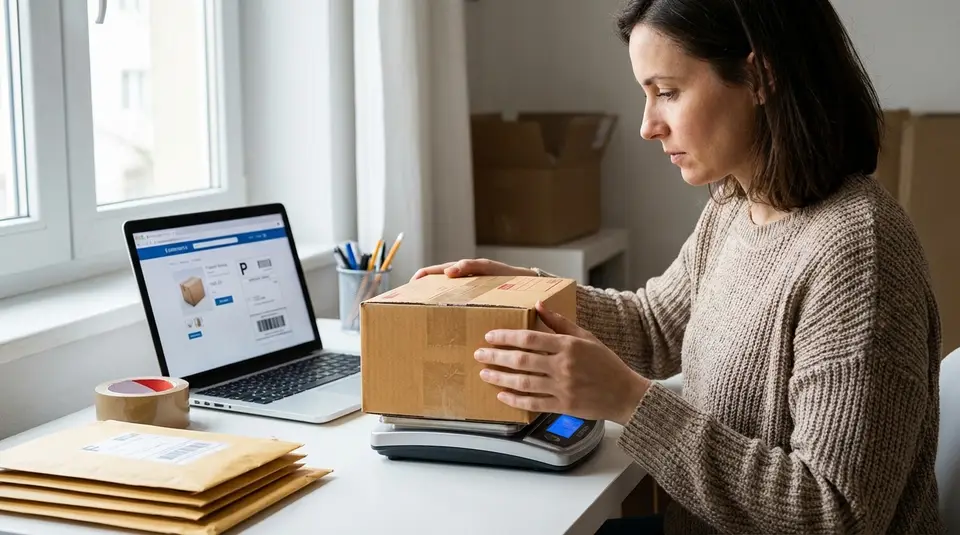
Learning how to avoid underpaying postage on Etsy orders is a big part of running a smooth, stress‑free shop. Accurate package weight, correct dimensions, and the right USPS service all help you prevent surprise “postage due” notices, label adjustments, or delivery delays that frustrate buyers and eat into your profits.

In this guide, we’ll walk through how to use Etsy shipping labels correctly, how USPS price adjustments work, how to double‑check weights and package types, and how to set smart shipping presets for your products. You’ll get practical, step‑by‑step tips so you can ship confidently, protect your Star Seller metrics, and consistently avoid underpaying postage on Etsy orders.

Why underpaid Etsy postage happens (and why it’s a headache)

Underpaid Etsy postage usually is not about anyone trying to cheat the system. It almost always comes from tiny mistakes: a scale that is off by an ounce, a box that is a bit bigger than you thought, or choosing the wrong mail class. USPS now checks both weight and dimensions very closely, and Etsy passes that data along when you buy labels. If what you entered does not match what USPS measures, the package is considered “shortpaid,” and that is where the headaches begin.

Shortpaid postage can lead to surprise charges in your Etsy payment account, delayed delivery, or in some cases a “postage due” notice for your buyer. None of that feels good, especially when your profit on a small order is already thin. The good news is that once you understand how and why underpaid Etsy postage happens, it becomes much easier to avoid.

Common ways Etsy sellers accidentally underpay postage

Most underpaid Etsy postage comes from a few very common slip‑ups:

  • Guessing weight instead of weighing: Even being off by one ounce can bump a package into a higher USPS price tier.
  • Forgetting packaging weight: You weigh the item, but not the box, tissue, thank‑you card, and freebies. The final packed order is heavier than the label.
  • Wrong package type: Choosing “package/thick envelope” when you are actually using a Priority Mail Flat Rate box, a rigid mailer, or a roll can trigger adjustments and extra fees.
  • Incorrect dimensions: USPS now uses dimensional weight and non‑standard size rules for many services. If your box is larger than what you entered, the real price can be much higher.
  • Wrong origin ZIP: Dropping packages at a different ZIP code than the one on the label can also cause a price change.

Each of these seems small in the moment, but USPS systems are designed to catch them.

What Etsy and USPS actually do when postage is short

When you buy a USPS label through Etsy, USPS treats it as “online postage.” They are allowed to verify the shipment later and adjust the price if the weight, size, mail class, or entry point does not match what was paid.

Here is what usually happens when postage is short on an Etsy label:

  1. USPS scans and measures the package in their network.
  2. If they find a mismatch, they recalculate the correct postage.
  3. USPS sends that adjustment back through Etsy’s system.
  4. Etsy posts a shipping label adjustment line item in your payment account and emails you with the details.

In most cases, USPS still delivers the package instead of holding it for payment, because the extra postage is collected from you after the fact. That is why you might not know anything was wrong until you see the adjustment.

Extra charges, label adjustments and unhappy buyers

Underpaid Etsy postage shows up in three main ways:

  • Label adjustments charged to you: If USPS decides you underpaid, Etsy debits your payment account for the difference. Sometimes this is only a few cents, but it can also be several dollars if the package should have gone Priority Mail or was oversized.
  • Postage due for the buyer: If you did not use an Etsy label, or if USPS cannot easily bill the difference through the online system, the carrier may mark the mailpiece “postage due” and ask your customer to pay at delivery. That almost always feels embarrassing and unfair to the buyer.
  • Delays or returns: In some situations, especially with international or very shortpaid mail, USPS may hold or return the package instead of delivering it. That means late orders, refund requests, and extra messages to handle.

From the buyer’s point of view, any postage problem looks like the seller did not prepare their order properly. Even if the mistake was tiny, it can hurt your reviews and repeat business. Catching these issues before you print the label is almost always cheaper than paying adjustments later or trying to fix an unhappy customer experience.

Understanding Etsy shipping labels vs. paying at the post office

When buying Etsy labels protects you from “postage due” notices

When you buy USPS shipping labels through Etsy, you are usually shielded from those dreaded “postage due” stickers on your buyer’s mailbox. USPS now checks many Etsy labels electronically and can adjust the postage behind the scenes if your package weighs more or measures larger than what you entered. In that case, USPS charges or credits you through your Etsy payment account instead of asking your buyer to pay extra at delivery.

As long as the package is mailable and not wildly mis‑described, USPS should still deliver it without delay and without collecting extra money from your customer. That means fewer awkward messages, fewer refunds, and a smoother experience for both sides.

If you buy postage at the post office or another site instead, USPS has no way to bill you later for shortpaid postage. In those cases, they are more likely to return the package or mark it “postage due,” which your buyer then sees.

How USPS shipping label adjustments work on Etsy

A USPS shipping label adjustment happens after USPS scans and physically measures your Etsy package. If they find that the actual weight, dimensions, package type, or drop‑off ZIP code do not match what you entered, they recalculate the correct postage.

If you underpaid, the difference is charged to your Etsy payment account. If you overpaid, you get a credit. Etsy sends you an email about the adjustment, and you can click through to see a detailed receipt that explains exactly what changed, such as “weight higher than declared” or “non‑standard package fee added.”

You can dispute an adjustment directly with USPS if you believe it is wrong. Etsy’s help center lists the USPS phone number and email plus the information you need to include, and there is a time limit for filing a dispute, so it is worth checking adjustments regularly.

Pros and cons of Etsy labels, USPS.com and in-person postage

All three options can work; the best choice depends on how you ship and what you value most.

Etsy shipping labels Pros:

  • Often include discounted USPS rates compared with retail counter prices.
  • Orders are auto‑filled with the buyer’s address, marked as shipped, and given tracking as soon as you buy the label.
  • USPS can issue label adjustments instead of returning mail or charging your buyer postage due.

Cons:

  • You must enter accurate weights and dimensions for every package.
  • Adjustments can be confusing at first and require you to monitor your payment account.

USPS.com postage Pros:

  • Good if you ship from multiple platforms and want everything in one place.
  • You can still print at home and schedule pickups.

Cons:

  • No automatic link to your Etsy orders, so you must copy addresses and mark orders shipped yourself.
  • If postage is short, USPS cannot easily bill you later, so postage‑due or returns are more likely.

In‑person post office postage Pros:

  • A clerk can help you choose the right mail class and spot obvious issues.
  • Handy for very unusual or oversized items.

Cons:

  • Usually the highest retail rates and more time standing in line.
  • No automatic Etsy tracking or label adjustments, so mistakes can turn into delays or unhappy buyers instead of quiet back‑end corrections.

For most everyday Etsy orders, using Etsy shipping labels gives you the best mix of convenience, protection from “postage due,” and clear records inside your shop.

Get your shop ready: set up accurate shipping profiles

Accurate Etsy shipping profiles do most of the heavy lifting for you. When they are set up correctly, your postage is closer to perfect, buyers see realistic delivery costs, and you avoid a lot of surprise fees. Think of profiles as your “default rules” for how each type of product ships.

Double‑check your “ship from” ZIP code and country settings

Your “ship from” address is the starting point for every Etsy shipping rate. If the ZIP code or country is wrong, calculated shipping can be off by several dollars.

Open your shop settings and make sure:

  • The country matches where you actually hand packages to the carrier.
  • The ZIP code is the one where packages enter the mail stream. If you drop orders at a post office near your studio, use that ZIP, not your old home address or a PO box in another town.

If you move, update this before you ship your next order. Even a small change in ZIP can affect zone‑based USPS prices, especially for heavier Priority Mail packages.

Choosing between fixed shipping and calculated shipping on Etsy

You can either set fixed shipping (you choose a flat amount) or calculated shipping (Etsy pulls live carrier rates based on weight, size and distance).

Fixed shipping works best when:

  • You sell items that are very similar in size and weight.
  • You like to build some shipping cost into your item price.

Calculated shipping is usually better when:

  • Your products vary a lot in size or weight.
  • You ship across the country and want more precise rates.

Many sellers mix both: calculated shipping for most items, and fixed shipping for tiny, very light products or special bundles.

Setting up calculated shipping the right way (US sellers)

For US Etsy sellers, calculated shipping can be very accurate if the inputs are clean. When you create or edit a listing:

  1. Pick the correct shipping profile that uses calculated shipping.
  2. Enter a realistic item weight and package size for one item, including typical packaging.
  3. Turn on shipping upgrades only if you are sure which mail classes you will use.

If you often ship multiple quantities, test how the profile behaves by adding two or three of the item to your cart in a private browser window. If the rate looks too low or too high, adjust the item weight or default box size in the profile instead of guessing at checkout.

Using package presets / preferences so box sizes are always right

Package presets (sometimes called package preferences) save you from re‑typing the same dimensions over and over. Set up presets for the boxes, mailers and envelopes you actually use, such as:

  • 6 x 4 x 2 inch small box
  • 9 x 6 inch flat mailer
  • 12 x 9 x 4 inch standard shipping box

Then, when you assign a shipping profile or buy a label, choose the preset that matches the real package. This keeps your Etsy shipping profiles consistent, speeds up label purchase, and makes it much less likely that USPS will adjust your postage later because the box was bigger or heavier than what you entered.

Measure and weigh correctly so your postage is spot on

Getting your Etsy postage right starts with measuring and weighing your packages the same way the carrier does. A small difference in ounces or an extra inch can flip you into a higher price or trigger a postage adjustment later. With a few simple tools and habits, you can get very close to what the post office’s scale and ruler will show.

What scale do I need for Etsy shipping at home?

For Etsy shipping at home, look for a digital shipping scale that:

  • Measures in ounces and pounds
  • Has at least a 0.1 oz (or 1 g) resolution
  • Handles up to 10–20 lb for most handmade and vintage orders

A kitchen scale can work for very light items, but a dedicated shipping scale is usually more accurate for packages and has a larger, flatter platform. If you ship heavier boxes, choose a higher capacity scale so you are never guessing.

Place the scale on a flat, stable surface, and zero it out before each use. Check it now and then with something that has a known weight (like a sealed bag of rice) so you can spot if it starts drifting.

How to weigh tricky items and packed orders accurately

The most accurate way to weigh for Etsy postage is to weigh the fully packed, sealed package exactly as it will ship. That means product, padding, box or mailer, tape, thank‑you card, everything.

For awkward or oversized boxes that cover the display:

  1. Put an empty box or sturdy book on the scale.
  2. Press tare/zero so the scale resets to 0.
  3. Place your package on top and read the weight.

If your item is close to a weight break (for example, 15.9 oz vs 1 lb), round up to the next ounce. Carriers charge based on the next whole ounce or pound, and rounding up protects you from underpaid postage.

Measuring length, width and height without mistakes

Carriers use length, width and height to decide which price tier your Etsy package falls into, especially for larger boxes. Use a simple tape measure and always measure the outside of the packed box or mailer.

  • Length is the longest side.
  • Width is the next longest side.
  • Height is the remaining side (thickness).

Measure to the nearest whole inch, and if you are between marks, round up. Puffy mailers and stuffed boxes can bulge, so measure at the thickest point, not just the edges. Writing these three numbers on a sticky note and keeping it with the order helps you enter them correctly when you buy your label.

Dimensional weight (DIM weight) made simple for Etsy sellers

Dimensional weight, or DIM weight, is how carriers price large, light boxes. Instead of charging only for how much a package weighs on the scale, they also charge for the space it takes up in the truck or plane.

The basic idea:

  1. Measure length, width and height in inches.
  2. Multiply them to get cubic inches.
  3. The carrier divides that number by a DIM divisor to get a “dimensional” weight.

Your Etsy postage is then based on whichever is higher: the actual scale weight or the dimensional weight.

This usually matters when you ship big, fluffy or bulky items in large boxes that do not weigh much. To keep DIM weight under control, use snug boxes, trim extra empty space, and avoid oversized packaging when a smaller carton or mailer will do the job.

Choosing the right mail class and package type every time

Letter, large envelope or package – what should I pick?

For Etsy orders, the right choice starts with how thick and rigid your mail is.

  • Letter: Very thin, flexible, and light. Think flat paper items that can bend easily and are under USPS letter size and thickness limits. Most Etsy items do not qualify, and letters do not include tracking, so they are usually a poor choice for orders.
  • Large envelope / flat: Slightly thicker but still flexible. Good for things like art prints in a rigid mailer only if they still meet USPS “flat” rules. Once it is too rigid, too thick, or lumpy, USPS will treat it as a package.
  • Package / parcel: Anything 3D, rigid, lumpy, or thicker than USPS limits for letters and flats. Almost all handmade goods, jewelry boxes, candles, mugs, and most clothing in mailers are packages.

If you are unsure, it is safer to choose package. It costs a bit more but avoids postage due, delays, and unhappy buyers.

First‑Class vs Priority Mail vs Ground Advantage for Etsy orders

For U.S. Etsy sellers, these are the main USPS services you will use:

  • USPS Ground Advantage: Good for heavier, non‑urgent packages. It usually covers parcels up to 70 lb with tracking, often at a lower price than Priority for slower delivery. Great for sturdy items where speed is not critical.
  • USPS First‑Class Mail (letters/flats): This is for documents and very light, flat mail. It does not automatically include tracking when used as a stamped letter, so it is rarely ideal for Etsy orders unless you are sending something very low value and truly flat.
  • USPS Priority Mail: Faster service with tracking and some insurance included. Best for heavier packages, higher‑value items, or when buyers expect quick delivery. Flat‑rate Priority envelopes and boxes can be a bargain when your item is dense and heavy.

For many small Etsy parcels, Ground Advantage is the sweet spot: tracked, reasonably quick, and often cheaper than Priority. Use Priority when weight, value, or buyer expectations justify the extra cost.

When a poly mailer, box or flat‑rate envelope makes most sense

Your packaging choice affects both cost and protection.

  • Poly mailer: Perfect for soft, non‑fragile items like T‑shirts, hoodies, fabric, or yarn. They are light and flexible, which keeps postage down. Add inner padding if there are sharp edges or hardware.
  • Box: Best for anything fragile, rigid, or gift‑style. Mugs, candles, decor, and jewelry boxes usually need a cardboard box plus padding. Boxes weigh more, but they protect your work and reduce damage claims.
  • Flat‑rate Priority envelope or box: Smart when your item is heavy for its size and going far away. If the regular weight‑based Priority or Ground Advantage price is higher than the flat‑rate option, switch to flat‑rate.

A simple rule:

  • Soft and squishy → poly mailer.
  • Breakable or structured → box.
  • Small but heavy and shipping far → check flat‑rate Priority.

Avoiding surcharges for non‑machinable and odd‑shaped mail

USPS adds extra fees when your mail cannot run smoothly through machines. To avoid surprise surcharges:

  • Keep envelopes rectangular, flat, and flexible if you are mailing as a letter or large envelope. Rigid mailers, square envelopes, or lumpy contents can trigger non‑machinable fees.
  • For anything with buttons, pins, magnets, or thick embellishments, treat it as a package instead of a letter.
  • Avoid very long, tube‑shaped, or oddly shaped packaging unless you have checked the rate first. These shapes can jump into higher price tiers.
  • Do not over‑stuff envelopes or mailers. If it bulges, USPS may reclassify it as a package and charge more.

When in doubt, choose a regular rectangular package with enough padding. It is usually cheaper in the long run than risking adjustments, delays, or postage due notices for your Etsy buyer.

Using Etsy’s tools to preview and calculate shipping costs

Etsy gives you a built‑in shipping calculator so you can preview real shipping costs before you commit to a label. Used well, it helps you price shipping fairly, avoid underpaid postage, and decide which carrier and service make the most sense for each order.

How to use Etsy’s shipping calculator before you list an item

You can use Etsy’s shipping calculator even if you have not created the listing yet. It lives in your Shop Manager and works like a “sandbox” for testing rates.

To try it:

  1. Go to Shop Manager on desktop.
  2. In the left menu, choose Help.
  3. Click Estimate shipping costs (or Estimate postage costs, depending on your region).
  4. Choose Domestic or International.
  5. Enter:
  • Your ship‑from ZIP code
  • The destination ZIP (for domestic) or country (for international)
  • Package type (box, flat mailer, etc.)
  • Weight and dimensions of the packed order

Hit See rates & discounts and you will see a list of services and prices for USPS, UPS and FedEx with Etsy’s discounted label rates alongside typical retail rates.

Use these numbers to:

  • Decide whether your item needs free shipping, flat‑rate shipping, or calculated shipping.
  • Check that your listing price plus shipping still leaves you a profit.

Remember: the calculator shows estimates. Final label prices can shift slightly when you actually buy the label, especially if your weight or size changes.

Testing different package sizes and weights to see real rates

A powerful way to use Etsy’s shipping calculator is to “play” with different packaging options before you settle on one.

Try this workflow:

  • Start with your lightest realistic box or mailer and enter its weight and size.
  • Note the cheapest services that appear and their prices.
  • Change only one thing at a time:
  • Swap from a box to a poly mailer.
  • Add an extra ounce or two to cover tissue paper or bubble wrap.
  • Test a slightly larger box you might use for fragile items.

You will quickly see how a small bump in weight or length can push you into a higher price tier or a different mail class. This is especially true for USPS services that use dimensional weight or cubic pricing for certain sizes.

Use what you learn to standardize your packaging: pick a few “go‑to” box and mailer sizes that consistently give you good rates, then build your shipping profiles and listing settings around those.

Checking domestic vs international postage in a few clicks

The same Etsy shipping calculator makes it easy to compare domestic and international postage side by side.

For domestic tests, enter:

  • Your ZIP code
  • A sample buyer ZIP (you can try a nearby zone and a far‑away one)
  • Package type, weight and dimensions

Then switch to International and:

  • Keep your ship‑from ZIP the same
  • Change only the destination country
  • Use the same package details

You will see which carriers and services Etsy supports for that route, plus estimated prices and discounts for each one.

This quick comparison helps you decide:

  • Whether you want to offer international shipping at all for a product
  • If you should limit certain heavy or bulky items to domestic buyers
  • How much extra you need to charge for tracked international services

Spending a few minutes in the calculator before you list an item can save you from surprise costs later and keep your Etsy shipping prices accurate and stress‑free.

Common Etsy postage mistakes (and easy ways to avoid them)

Even careful Etsy sellers slip up on postage. The good news is that most underpaid postage problems come from a few very fixable habits. Once you spot them, you can tweak your workflow and stop worrying about surprise fees or “postage due” stickers.

Forgetting to include packaging weight and supplies

A classic mistake is weighing only the product and not the full, ready‑to‑ship package. USPS charges based on the weight of the entire parcel, including:

  • Box or mailer
  • Tissue paper, bubble wrap, inserts
  • Thank‑you cards, freebies, and small gifts

If your item weighs 10 oz but the box, padding and extras add 3 oz, you should be buying a label for 13 oz, not 10. That difference can easily trigger a postage adjustment.

To avoid this, pack one “sample order” for each product type, seal it as if you are mailing it, then weigh that. Save the final weight in your listing or a simple chart so you do not have to guess every time.

Reusing boxes and envelopes that bump you into a higher rate

Reusing packaging is great for the planet, but it can quietly raise your shipping cost. Bigger or heavier boxes can:

  • Push your package into the next weight ounce
  • Increase the length + girth, which can change the rate
  • Turn a machinable package into a bulky one

For example, using a large, heavy shoe box for a small item might move you from a cheaper Ground Advantage rate into a more expensive Priority Mail or dimensional weight situation.

When you reuse boxes and envelopes, trim them down if possible, remove old labels, and re‑measure and re‑weigh. Do not assume the size and weight are “close enough” to what you used before.

Underpaying postage on multi‑item and bundled orders

Bundles are wonderful for sales, but they can wreck your postage if you are not careful. Two or three small items together often:

  • Weigh more than your single‑item estimate
  • Need a larger box or thicker mailer
  • Cross the line from “large envelope” into “package”

If you use calculated shipping, make sure your item weights are accurate so Etsy can add them up correctly. If you use fixed shipping, build in realistic “bundle” scenarios. Weigh a few common combinations and note the real package weights, then adjust your shipping profiles or listing weights to match.

A simple habit: before you buy the label, pack the full order, weigh it again, and confirm the weight on the label screen matches what your scale says.

Printing the wrong label class for what you’re actually mailing

Another sneaky source of underpaid Etsy postage is choosing the wrong mail class or package type. Common mix‑ups include:

  • Buying a “large envelope/flat” label for something that is actually a package (too thick, rigid, or lumpy)
  • Selecting First‑Class Package when the weight really requires Priority Mail
  • Marking a rigid mailer as machinable letter instead of non‑machinable

USPS has strict rules about thickness, flexibility, and shape. If your mailer is stiff, has a big charm, pin, or box inside, or is over the allowed thickness for letters/flats, it will be treated as a package at the counter or during processing. That is when postage due and adjustments show up.

To avoid this, double‑check:

  • The weight on your scale vs the weight on the label
  • The thickness and rigidity of the mailer against USPS letter/flat rules
  • Whether your chosen class matches the service you actually need (for example, insurance or faster delivery)

A quick 10‑second check before you click “Purchase” is usually all it takes to keep your Etsy postage accurate and your buyers happy.

What to do if you’re charged an adjustment or buyer sees “postage due”

How to read a USPS shipping label adjustment in your Etsy account

When USPS adjusts your Etsy shipping label, it usually shows up in your Payment account as a separate line item. Look for wording like “USPS postage adjustment” or “Shipping label adjustment” next to the original order.

Click into the order’s Order details page, then open the Shipping label section. There you will usually see:

  • The original weight and package type you entered
  • The weight and package type USPS scanned
  • The mail class you chose vs what USPS treated it as
  • The difference charged (or occasionally refunded)

Compare each detail to what you actually shipped. If USPS shows a higher weight, ask yourself:

  • Did I forget to include the box, tissue, or freebies in the weight?
  • Did I pick “large envelope” when it was really a package?
  • Did the box bulge or measure larger than I thought?

If everything USPS lists looks correct, treat it as a learning moment and adjust your shipping settings. If something looks clearly wrong, that is when you move to the next step.

When to contact USPS vs when to reach out to your buyer

Contact USPS when:

  • The adjustment is obviously off (for example, they say 5 lb for a tiny earring box).
  • You see the wrong zone or destination listed.
  • The package was damaged or re‑packed by USPS and that changed the size.

Start with your local post office or the USPS customer service line. Bring or attach: tracking number, photos of your package (if you have them), and a screenshot of the Etsy label details. Stay calm and factual; you are asking them to review, not demanding a refund.

Reach out to your buyer when:

  • They message you about a “postage due” notice or had to pay extra at delivery.
  • Tracking shows “postage due” or “insufficient postage” and the item is delayed.

Reply quickly, thank them for letting you know, and apologize for the hassle. Then:

  1. Ask for a photo of the notice or receipt if they have it.
  2. Offer to reimburse what they paid through a partial refund or Etsy’s “Send refund” option.
  3. Let them know you are updating your shipping settings so it does not happen again.

Most buyers are understanding when you own the mistake and fix it fast.

How to fix your listings and profiles so it doesn’t happen again

Once you know why the postage was short, lock in the fix right away. Focus on three areas:

  1. Shipping profiles
  • Open the profile used for that order.
  • Check the package type, weight, and dimensions.
  • Add a small buffer (for example, 1–2 oz or 0.1–0.2 lb) to cover tissue, stickers, and thank‑you cards.
  1. Listing settings
  • Make sure each listing is using the correct shipping profile.
  • If a product sometimes ships in a box and sometimes in a flat mailer, create separate profiles or even separate listings so the postage is always accurate.
  1. Shop‑wide defaults
  • Confirm your “ship from” address and ZIP code are correct in your shop settings.
  • If USPS charged you for a different mail class (for example, they treated your “large envelope” as a package), update your default package type for similar items going forward.

After you adjust everything, keep an eye on your Payment account for a few weeks. If you stop seeing adjustments and buyers stop mentioning postage due, you will know your new settings are working.

Helpful habits and checklists to keep your Etsy postage accurate

A simple pre‑shipment checklist you can reuse for every order

A tiny routine before you print a label can save you from postage due notices and surprise adjustments. Keep a short checklist by your packing area and run through it every time:

  1. Confirm the order details. Check the buyer’s address, country, and chosen shipping option. Make sure the address on the label matches the order exactly.
  2. Choose the right package. Decide if this order is going in a box, rigid mailer, poly mailer, or envelope, and grab the correct size.
  3. Pack completely first. Add tissue, bubble wrap, thank‑you card, freebies, and tape the box shut. Only weigh after the package is fully sealed.
  4. Weigh the finished parcel. Use your scale, note the weight in ounces or pounds/ounces, and round up to the next ounce.
  5. Measure length, width, and height. Measure the outside of the packed parcel, rounding up to the next whole inch.
  6. Check mail class and package type. Make sure the label you are buying matches what you are actually sending (for example, package vs flat, Ground Advantage vs Priority).
  7. Quick visual check. Ask: Is it bulky, lumpy, or oddly shaped? If yes, check if it might be non‑machinable or need a different class.

Once this becomes muscle memory, your Etsy postage accuracy improves without much extra effort.

Creating quick reference charts for your most common products

Reference charts turn guesswork into a fast, repeatable system. Start by picking your top sellers and packing one of each exactly how you would ship it. Weigh and measure each packed item, then record:

  • Product name
  • Typical packaging used
  • Final weight
  • Package size
  • Usual mail class

Turn this into a simple chart you can keep near your desk. Next time you pack that item, you already know the best box, label type, and approximate cost.

You can also make versions for:

  • Single item vs two or three of the same item in one box
  • Domestic vs international packaging choices

Update the chart when you change packaging, switch to a new box size, or notice repeated postage adjustments for a certain product.

When to re‑check your rates as USPS and Etsy prices change

Postage rates are not set in stone, so building a habit of reviewing them keeps your Etsy shipping accurate and profitable. A good rhythm is to:

  • Review rates at least once a year. USPS often adjusts prices annually, usually early in the year.
  • Re‑check after any official rate change. When you hear about new prices or service changes, spot‑check a few of your common package sizes and destinations.
  • Revisit rates when your materials change. If you switch to heavier boxes, add branded inserts, or start using different mailers, test a few sample orders to see if they move into a higher price tier.
  • Check if your profit margins feel “off.” If shipping suddenly seems too tight or too high for buyers, run a few fresh calculations and adjust your Etsy shipping profiles or listing rates.

These small, regular check‑ins keep your Etsy postage aligned with real‑world costs, so you avoid underpaid labels, protect your profit, and keep buyers happily receiving their orders without surprises.

Related posts

Keep reading