

General
Google Ads for Etsy Sellers: When It Works Better Than Marketplace Ads
Google Ads for Etsy sellers can outperform Etsy Ads for niche, high-intent keywords and repeat buyers; weigh CPC, offsite fees, and tracking limits first.

I currently sell handmade crochet items on Etsy, and I’m considering adding small perler bead creations to my shop. When I try to set up shipping for these smaller items, the domestic postage still comes out to around $5 even with lightweight packaging.
I’m seeing similar perler bead listings priced around $7 with “free shipping,” and I can’t figure out how that works after Etsy fees and shipping costs. Are sellers usually building shipping into the item price, using a cheaper mail option, or relying on bundles and add-ons to make the order profitable? How should I price small, low-cost items if shipping is a big part of the total cost?
Hi! Most Etsy sellers offering “free shipping” on a $7 small item are either (a) quietly losing money on single-item orders, (b) using a cheaper/untracked mail method, or (c) making their profit on multiples (sets, bundles, add‑ons) where the shipping cost gets spread out.
Here are the common ways it works in real Etsy shops:
Don’t start from “what others charge.” Start from your fully loaded cost per order:
(materials + packaging + labor) + Etsy fees + average shipping cost + profit
If shipping is a big chunk of the total, you’ll usually do best with one of these two setups:
Price as “shipping included,” and keep it honest.
If it costs you around $5 to mail, a $7 free-shipping item is almost never a healthy margin after fees and packaging. Raising the price can feel scary, but it’s often the only way to make single-item orders sustainable.
Make multiples the default (sets + add-ons).
For perler bead items specifically, consider:
One more practical tip: before you commit to “free shipping,” do 2–3 test pack-outs (exact mailer, insert, tape, etc.), weigh/measure them, and price based on that reality, not the bare item weight. Those little packaging ounces and thickness changes are exactly what push orders into higher postage.
If you tell me roughly what your typical perler item size is (and whether it’s flat/rigid, and how you plan to package it—envelope vs bubble mailer), I can suggest the most realistic pricing structure (single vs set vs add-on) without guessing.
Related questions
My Etsy shop sales slow down in the off-season, and I’m deciding between free shipping or a percent-off sale. Which converts better, and how do I make it noticeable?
I offer free shipping on Etsy, but some buyers choose Priority Mail. Can I buy Ground Advantage instead, and how do I limit shipping options?
I opened a new Etsy shop and free shipping plus Etsy fees are cutting into profit. Should I raise prices to include shipping or charge shipping separately?
I’m starting an Etsy shop for handmade crafts and want to know how long it typically takes to consistently make a profit after fees and materials.
I run a newer Etsy shop and I’m seeing fewer visits and some zero-sale days in January. Is this a normal seasonal slowdown or an Etsy SEO/ads issue?
I’m starting an Etsy shop with small-batch items that vary by batch, and I’m deciding whether to make new listings per batch or use one listing with variations.
Related posts
Google Ads for Etsy sellers can outperform Etsy Ads for niche, high-intent keywords and repeat buyers; weigh CPC, offsite fees, and tracking limits first.

California Prop 65 for Etsy sellers: when warnings apply, which materials commonly trigger them, and where to place a clear-and-reasonable notice online.

Discover if free shipping on Etsy fits your handmade shop, weighing search boost, conversion rates, profit margins, product pricing, and buyer expectations.
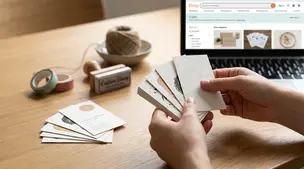
Business cards for Etsy sellers: smart basics like shop link or QR code, logo, and socials, with cardstock tips and pitfalls like clutter and pushy review asks.

Etsy listing graphics that stay on-brand: clean text hierarchy, consistent colors and fonts, plus fast Canva templates for mobile-ready, uncluttered thumbnails.

Out-of-stock items on Etsy: keep sales steady with smart restock timing, renew vs deactivate choices, and clear buyer messages that protect search visibility.