
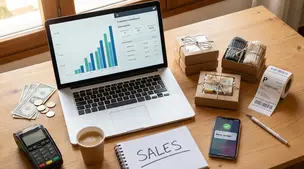
General
How Much Money Can You Make Selling on Etsy?
Discover realistic Etsy income ranges, profit margins, fees, and proven tips to boost sales so you can grow your handmade or digital product shop confidently.

I previously ran an Etsy shop selling handmade jewelry and small sculptures, but I closed it when I couldn’t keep up with orders. I’m starting to make items again, mainly handmade sculpted decor like bookends and book nooks.
When I browse Etsy now, I’m seeing a lot of 3D-printed products and listings that look mass-produced, and I’m not sure if that’s just how search results are showing up for me or if the marketplace has shifted.
Is Etsy still a strong platform for selling truly handmade work in 2026, and if not, what other platforms are worth considering for selling original, self-made designs?
Hi! Yes—Etsy is still a strong place to sell truly handmade sculptures and home decor in 2026, especially in “Home & Living” (which remains one of Etsy’s biggest buyer categories), but the marketplace has gotten more crowded and your search results will often surface a lot of lookalike, 3D-printed, and “factory-vibe” items because they sell fast and get engagement. The good news is: buyers who want real handmade work are still there—you just have to help Etsy (and the buyer) quickly understand what makes yours legitimately handmade and worth the price.
A couple things to know about what you’re seeing:
If you reopen your shop, here’s what tends to work really well for handmade sculpted decor (bookends, book nooks, etc.) right now:
If you want alternatives (or a backup plan), these are worth considering depending on how you like to sell:
If you tell me your rough price range (e.g., $40–$80 vs $150–$400+) and whether you’re made-to-order or ready-to-ship, I can suggest the best platform mix for your situation—and how to position your Etsy shop so you’re not competing with the mass-produced-looking stuff.
Related questions
I’m an Etsy seller dealing with a 1-star “item not received” review even though tracking shows delivered. How should I follow up and protect my shop?
I’m a new Etsy seller and unsure if I should keep spending $5/day on Etsy Ads or focus on improving my listings and Etsy SEO to grow sales.
I sell digital downloads on Etsy and a buyer paid $6 for a $5 item, but the tax line is $0. What else could cause this, and can buyers add extra at checkout?
I shipped an Etsy international order via USPS, but tracking has been stuck for weeks after acceptance. What can I do, and when should I refund or replace?
I canceled an Etsy order and the buyer is sending abusive, threatening messages. How do I report them to Etsy and stop further contact?
I sell recycled carbon fiber items on Etsy and my photos look soft after compression. What should I prioritize to improve photo quality, SEO, and traffic?
Related posts
Discover realistic Etsy income ranges, profit margins, fees, and proven tips to boost sales so you can grow your handmade or digital product shop confidently.

Learn how to break even faster on Etsy with smart pricing, fee-cutting tactics, bestseller research, SEO-powered listings, and affordable Etsy Ads strategies.
Discover why selling on Etsy boosts your handmade brand visibility, low startup costs, built-in traffic, loyal buyers, and flexible, low-risk income.

Discover exactly what you can sell on Etsy—from handmade crafts and digital downloads to vintage treasures and craft supplies—and start growing a joyful shop today.
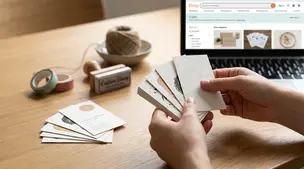
Business cards for Etsy sellers: smart basics like shop link or QR code, logo, and socials, with cardstock tips and pitfalls like clutter and pushy review asks.

TikTok for Etsy sellers: 30 practical post prompts with quick hooks, studio shots, making and packing orders, product benefits, CTAs, and hashtags for your shop.