

General
Psychological Pricing Strategies for Etsy
Boost Etsy sales with joyful psychological pricing tips—charm prices, anchoring, bundles, urgency and value cues tailored to handmade, digital and craft shops.

I sell a niche 3D-printed physical product on Etsy, and it gets steady sales even though the volume isn’t huge. Lately, a few buyers have asked if they can purchase the 3D file so they can print it themselves.
I’m considering adding a digital listing (like an STL or similar file) alongside the physical item, but I’m worried it could be shared for free, resold as a competing digital file, or used by other sellers to make and sell physical copies.
What are the pros and cons of listing the digital file while keeping the physical listing active, and are there any practical ways to reduce the risk of copying or misuse?
Hi! Selling the STL alongside your physical Etsy listing can be a great “meet customers where they are” move, but you should go into it assuming the file will get shared eventually—your goal is to make buying from you the easiest, most valuable option and limit the damage if someone misuses it.
Big pros of adding a digital STL listing (while keeping the physical one)
Big cons / real risks
You can’t fully stop copying, but you can reduce it and protect your business.
In your digital listing description and the included “read me” file, state clear, simple terms, for example:
This does two things: (1) honest buyers follow it, and (2) you have a clear basis to report copycats if needed.
A few common strategies Etsy sellers use:
You can’t add DRM to an STL on Etsy, but you can:
To keep your inbox sane, set boundaries in the listing:
If someone reposts your STL or uses your photos/listing text, you can report it through Etsy’s IP process. This doesn’t stop every bad actor forever, but consistent enforcement helps keep your niche from turning into a free-for-all.
If you want to test demand without opening the floodgates, start with one of these:
If you tell me what kind of item it is (no need for your shop name), and whether buyers would choose it for looks, fit, or function, I can suggest a pricing/packaging approach that minimizes cannibalization and keeps your physical listing attractive.
Related questions
I sell digital downloads on Etsy and a buyer paid $6 for a $5 item, but the tax line is $0. What else could cause this, and can buyers add extra at checkout?
I shipped an Etsy international order via USPS, but tracking has been stuck for weeks after acceptance. What can I do, and when should I refund or replace?
My Etsy order tracking shows delivered, but the buyer says it wasn’t received. What should I do next to handle a refund, replacement, or claim?
I run an Etsy shop and a buyer wants a refund after the order shipped because they found a cheaper option. What’s the standard Etsy approach?
I run a small Etsy shop selling art prints but traffic and sales are low. What changes to Etsy SEO, photos, pricing, or Etsy Ads will boost sales?
Related posts
Boost Etsy sales with joyful psychological pricing tips—charm prices, anchoring, bundles, urgency and value cues tailored to handmade, digital and craft shops.
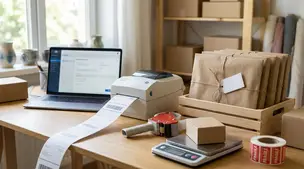
Streamline batch shipping on Etsy with a simple system that saves time, cuts postage costs, automates labels, and boosts order accuracy for happy repeat buyers.

Happy Etsy SEO tips for sellers: master keywords, titles, tags, photos, reviews, free shipping, and conversions to rank higher in Etsy search and boost sales.

Discover how long it really takes to make money on Etsy, with realistic timelines, proven shop-setup tips, SEO keywords, and fast first-sale strategies.

Protect Etsy digital downloads from theft with smart watermarks, secure file delivery, licenses, DMCA takedowns, and piracy monitoring to safeguard your profits.

Holiday shipping deadlines guide for Etsy sellers with USPS, UPS, FedEx cutoff dates, processing times, packaging tips, and planning strategies to avoid late deliveries.