

General
Psychological Pricing Strategies for Etsy
Boost Etsy sales with joyful psychological pricing tips—charm prices, anchoring, bundles, urgency and value cues tailored to handmade, digital and craft shops.

I run an Etsy shop in the UK and I currently ship domestic orders with Royal Mail 2nd Class and international orders with Royal Mail Standard International because they’re the cheapest options.
Recently, a lot of international parcels have been delayed and buyers are getting frustrated. The listings offer an upgrade to tracked shipping, but tracked costs much more and many customers pick the untracked option.
Are there any affordable alternatives to Royal Mail for more reliable UK-to-international shipping, or is the best approach to switch to tracked international and adjust my shipping prices and delivery estimates?
Hi! If buyers are getting frustrated with delays, the most “affordable + reliable” move for a UK Etsy shop is usually not a totally different carrier—it’s switching your international shipping option to tracked for sale-of-goods (and updating your Etsy delivery estimates accordingly). Untracked international is always going to feel risky to customers, and it’s also harder for you to defend “item not received” issues.
A few practical options that work well for UK-to-international:
1) Make tracked the default (and price it in), then offer a slower/cheaper economy only where you’re comfortable
2) Consider Evri international for tracked (often cheaper than premium couriers)
3) Use a courier broker for specific countries (DPD/DHL/UPS via a comparison site)
What I’d do in your shoes (simple, buyer-friendly setup)
If you tell me your average parcel size/weight and your top 3 destination countries (plus whether you ship Large Letter vs Small Parcel most of the time), I can suggest a couple of shipping profile setups that usually reduce complaints without killing conversion.
Related questions
I sell digital downloads on Etsy and a buyer paid $6 for a $5 item, but the tax line is $0. What else could cause this, and can buyers add extra at checkout?
I shipped an Etsy international order via USPS, but tracking has been stuck for weeks after acceptance. What can I do, and when should I refund or replace?
My Etsy order tracking shows delivered, but the buyer says it wasn’t received. What should I do next to handle a refund, replacement, or claim?
I run an Etsy shop and ship most items myself, but want to add POD phone cases. How should I handle Etsy listings, processing times, shipping profiles, and expectations?
I’m running Etsy Ads and one listing has lots of clicks but low ROAS and few sales. Should I turn ads off or keep them for potential shop-wide benefits?
I’m a UK-based Etsy seller using Royal Mail DDP via Click & Drop and need the best way to price Etsy shipping/items so DDP fees are covered fairly.
Related posts
Boost Etsy sales with joyful psychological pricing tips—charm prices, anchoring, bundles, urgency and value cues tailored to handmade, digital and craft shops.
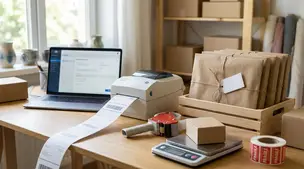
Streamline batch shipping on Etsy with a simple system that saves time, cuts postage costs, automates labels, and boosts order accuracy for happy repeat buyers.

Happy Etsy SEO tips for sellers: master keywords, titles, tags, photos, reviews, free shipping, and conversions to rank higher in Etsy search and boost sales.

Discover how long it really takes to make money on Etsy, with realistic timelines, proven shop-setup tips, SEO keywords, and fast first-sale strategies.

Learn how to cancel an Etsy order as a seller step‑by‑step, issue full or partial refunds, avoid policy violations, and keep buyers happy with clear communication.

Holiday shipping deadlines guide for Etsy sellers with USPS, UPS, FedEx cutoff dates, processing times, packaging tips, and planning strategies to avoid late deliveries.