
Selling Resin Items on Etsy: Safety Notes and Handling Instructions

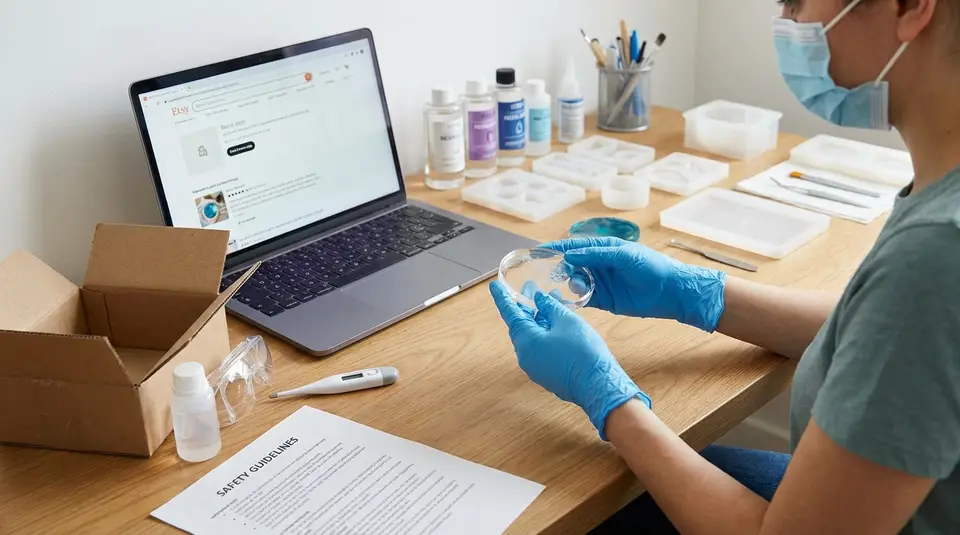
Resin items can be great Etsy sellers, but they also come with real safety and care responsibilities for you and your customers. Treat epoxy like a chemical process: prevent skin sensitization with gloves and good ventilation, and control dust when sanding or drilling cured pieces. On the customer side, include clear handling instructions such as letting the piece finish curing before heavy use, keeping it away from high heat and direct sun, wiping with mild soap and water, and avoiding food contact unless your resin is specifically rated for it. The most common issue is simple but sneaky: assuming “dry” means “done.”
Resin product safety duties for Etsy sellers and makers
Etsy Product Safety Essentials and legal compliance
Etsy expects sellers to take product safety seriously. The short version is simple: you are responsible for the safety and compliance of what you make, how you describe it, and where you ship it. That matters for resin because it can involve chemical exposure during making, and small parts, sharp points, or heat sensitivity once the item is finished.
If you sell resin-related craft supplies or kits (not just finished art), read Etsy’s Product Safety Essentials: Selling Craft Supplies and build your listing process around it. Pay close attention to labeling, age-appropriateness, and any required warnings for materials that could be irritating or sensitizing.
Also, don’t list anything that crosses into “dangerous items” or “hazardous materials” as defined by Etsy’s Prohibited Items Policy, and don’t make medical or therapeutic claims for resin jewelry, rollers, or “healing” pieces.
Safety documentation to keep on file
You do not need a giant compliance binder to be responsible, but you should be able to prove what you used and how you used it. For resin Etsy shops, keep:
- The resin and colorant Safety Data Sheets (SDS) for every brand and batch line you use.
- Supplier product pages or technical sheets that list intended use (art, casting, coating) and any stated limitations.
- Your internal “recipe notes”: mix ratios, cure schedule, post-cure time, and any sealants or coatings added.
- Copies of your listing text and care card text (so you can show what buyers were told at the time of sale).
When to pause sales and fix a safety issue
Pause the listing when you see a pattern that suggests a real hazard, not just a cosmetic complaint. Examples: reports of persistent odor (possible undercure), tacky surfaces that never harden, skin reactions beyond normal “don’t wear if sensitive” territory, or parts snapping into small pieces.
When you pause, switch into “contain and correct” mode: stop shipping, identify the affected batches, and contact buyers with clear next steps. For US sellers, it’s smart to monitor the CPSC recalls database and take buyer safety messages seriously, even if your item is handmade and not mass-produced.
Resin curing and off-gassing notes to include before shipping
Signs resin is fully cured
In resin listings, “cured” should mean more than “not sticky.” Before you ship, check that the piece is hard all the way through and stable in normal room conditions.
Common signs a resin item is fully cured:
- No tackiness or rubbery spots, even around edges and in thicker pours.
- No lingering chemical smell when the piece is at room temperature (a faint “new” smell can happen, but strong odor is a red flag).
- A fingernail press in an inconspicuous spot does not leave a dent.
- Sanding produces dry dust, not gummy crumbs.
For Etsy, it’s worth stating in your description that your items ship fully cured (or, if you intentionally ship after an initial cure, state that clearly and explain what the buyer should expect).
Typical cure-time factors buyers should know
Even when you ship cured pieces, buyers benefit from a quick note that resin continues to “settle” and reach peak hardness over time. Cure time depends on the specific resin system, but these factors almost always matter:
Temperature and humidity: Cold rooms can slow cure. High humidity can affect finishes and increase surface issues. Thickness: Deep pours cure differently than thin coatings. Mix accuracy: Off-ratio mixing can leave soft spots that never fully harden. Add-ins: Heavy pigments, alcohol inks, glitter loads, or embedded objects can change cure behavior. Post-curing: Some makers allow extra days before packing to reduce odor and improve hardness.
A simple Etsy-friendly line: “Best results if you let the piece rest at room temperature for 24 to 72 hours after delivery before heavy wear.”
Preventing dust and surface defects during cure
Most “resin defects” buyers notice start during curing and packing. Cure pieces under a covered, clean area to reduce dust nibs. Avoid packing too soon, since bubble wrap or tissue can imprint a surface that is still slightly soft.
If you include a care card, add one sentence that sets expectations: “Minor micro-bubbles or subtle texture are normal in handmade resin.” That small bit of clarity can reduce returns while still being honest about quality.
Labeling resin items: materials, allergens, and hazard warnings
ASTM D4236 and art material labeling basics
If you sell resin as a craft supply on Etsy (resin, pigments, alcohol inks, mica, glitters, mixing tools, or starter kits), labeling matters. In the US, many art and craft materials use ASTM D4236 as the chronic hazard labeling standard tied to the federal Labeling of Hazardous Art Materials Act (LHAMA). In practice, that is why you often see “Conforms to ASTM D4236” on art materials that have been evaluated and labeled for appropriate warnings and safe use instructions. The ACMI overview of ASTM D4236 and LHAMA is a helpful plain-English refresher if you sell supplies.
For finished resin goods, D4236 may not apply the same way as it does to “art materials,” but the idea is still useful: label clearly, warn about reasonably foreseeable misuse, and do not imply “non-toxic” or “food safe” unless you can substantiate it for the finished item.
Also, match your labels to your Etsy listing. If your listing says “nickel-free” or “hypoallergenic,” make sure your findings, chains, jump rings, and coatings truly support that claim.
Sample warning language for finished resin goods
Use wording that fits what you sell and how it is used. Examples you can adapt:
- “Handmade resin item. Not a toy. Contains small parts. Choking hazard. Keep away from children and pets.”
- “Avoid prolonged skin contact if you have sensitivities. Discontinue use if irritation occurs.”
- “Keep away from heat and open flame. Do not microwave. Do not place in dishwasher.”
- “Not intended for food contact.”
Child safety, choking hazards, and age grading
If an item can be handled by a child, assume it will be mouthed, dropped, and pulled. For resin keychains, charms, shaker pieces, and jewelry, age-grade conservatively and state it plainly in your Etsy listing and on any insert card (for example, “Ages 14+” or “Adult use only,” depending on your design). If it has detachable parts, pointed findings, or can snap into small pieces, treat it as a choking hazard and label it that way.
Handling instructions buyers expect for finished resin pieces
Heat, sunlight, and discoloration care
Most buyers do not realize resin can soften with heat and change color over time. Your Etsy listing and care card should set clear boundaries.
Tell buyers to keep resin items away from high heat sources like car dashboards, space heaters, ovens, stovetops, and hot water soaks. Heat can cause warping, clouding, and imprint marks. Direct sunlight can also speed up yellowing and fading, even with “UV resistant” resins and pigments.
If your pieces are worn (earrings, necklaces, bracelets), it helps to say: remove before showering, swimming, tanning, sauna use, or intense workouts. Moisture and heat together are tough on glossy finishes and plated metal findings.
Cleaning and scratch prevention for glossy surfaces
For cleaning, simple is best. Recommend a soft microfiber cloth and mild soap with cool to lukewarm water. Then dry immediately. Avoid abrasive cleaners, alcohol wipes, acetone, and “magic eraser” type sponges. These can haze or micro-scratch the surface.
Also mention everyday scratch sources buyers don’t think about: keys in a purse, sand at the beach, and rough paper towels. For keychains and bag charms, suggest using a separate pocket or pouch to keep the resin from rubbing on metal hardware.
Food contact, skin contact, and wearables guidance
Unless you specifically manufacture and test for it, do not position finished resin as food-safe. A clear line in your Etsy description prevents confusion: “Decor item only. Not for food contact.”
For skin contact, keep your guidance calm and practical. Many people can wear resin jewelry without issues, but sensitivities happen. Recommend avoiding prolonged contact, not wearing on broken skin, and stopping use if redness or itching occurs. If you use metal findings, include the metal type when you can (stainless steel, sterling silver, gold plated, etc.) so buyers with allergies can decide confidently.
Packaging resin items to prevent scratches, warping, and breakage
Surface protection: film, tissue, and corner guards
Resin scratches more easily than most buyers expect, especially on high-gloss pieces. Start by protecting the finish before you add cushioning.
Clear protective film works well on flat faces (coasters, bookmarks, trays) as long as the resin is fully cured and the film is truly low-tack. If you do not use film, wrap each piece in clean, soft tissue or a non-abrasive sleeve. Avoid anything textured that can imprint a surface that is still finishing its cure.
For items with crisp corners or raised details, add simple corner guards or a folded tissue “bumper” so the edges do not rub the box or the hardware inside the package.
Cushioning and box choice for fragile pieces
Match the box to the resin item. Small padded mailers are fine for lightweight, flexible items, but many resin goods do better in a rigid box so they cannot be bent in transit. Think of bookmarks, thin wall hangings, and flat charms: they can crack if the package is flexed.
Use enough cushioning that the item cannot rattle. A good test is to gently shake the packed box. If you feel movement, add fill until it is stable. For jewelry, keep metal findings from scraping the resin by separating them with tissue, small poly bags, or a jewelry card.
Cold and heat shipping precautions
Temperature swings are a big deal for resin. In hot weather, resin can soften slightly, and packing materials can imprint. In freezing weather, resin can become more brittle and more likely to chip if dropped.
If you ship during heat waves or deep cold, consider adding a short note in your Etsy message or insert card: let the package come to room temperature before opening and handling. It is a simple step that reduces “it arrived warped” or “it cracked when I unwrapped it” complaints, especially for thicker pours and glossy finishes.
Etsy listing and shop policies that reduce returns and disputes
What to state in descriptions: cure status and care
Returns drop fast when buyers know exactly what they are getting and how to treat it. For resin items, the highest-impact lines are about cure status and everyday care.
In each Etsy description, state:
- Cure status: “Ships fully cured and ready to use,” or “Made to order. Cures for X days before shipping.”
- Heat and sun limits: “Keep away from high heat and prolonged direct sunlight to reduce warping and yellowing.”
- Cleaning: “Wipe with a soft cloth and mild soap. Avoid alcohol, acetone, and abrasives.”
- Handmade variation: “Small bubbles or minor surface variations are normal in handmade resin.”
If you sell sets (coasters, trays, ornaments), repeat care notes in the personalization box or listing variations too. Many buyers never read the full description.
Custom orders, repairs, and replacement policy language
Custom resin work is where misunderstandings happen. Keep your policy language short and specific. A practical approach is to define what counts as “damage,” what counts as “normal handmade variation,” and what you will do if something arrives wrong.
Also, make sure your formal return and exchange settings are turned on for each listing. Etsy’s policy tools let you set these per listing and show buyers the rules at checkout. The official how-to is in Etsy’s help article on setting return policies on listings.
Disposal and safe storage notes for buyers
Include a simple “safe use” note in your care card and listing FAQs:
- Store resin pieces in a cool, dry place, away from heaters and windowsills.
- Keep small resin items away from young children and pets.
- If an item cracks or chips, discontinue use and contact the shop for options.
For supplies or kits, add one extra line: cured resin can be disposed of as regular trash in many areas, but liquid resin components should be handled per the product’s label and SDS.
Related posts
Keep reading

How Much Money Can You Make Selling on Etsy?
Discover realistic Etsy income ranges, profit margins, fees, and proven tips to boost sales so you can grow your handmade or digital product shop confidently.

How to Break Even Faster on Etsy
Learn how to break even faster on Etsy with smart pricing, fee-cutting tactics, bestseller research, SEO-powered listings, and affordable Etsy Ads strategies.

Why Sell on Etsy? Key Benefits Explained
Discover why selling on Etsy boosts your handmade brand visibility, low startup costs, built-in traffic, loyal buyers, and flexible, low-risk income.

What Products Can You Sell on Etsy?
Discover exactly what you can sell on Etsy—from handmade crafts and digital downloads to vintage treasures and craft supplies—and start growing a joyful shop today.

How to Turn One Etsy Product Into 10 Pieces of Content
Etsy content ideas to turn one listing into 10 posts, from product photos and Reels to Pins, emails, and FAQs, using a simple, repeatable batching workflow.

Selling Jewelry on Etsy: Metal Disclosure and Allergy Considerations
Selling jewelry on Etsy: List exact metals, flag nickel sensitivity, and support hypoallergenic wording with supplier docs or testing to reduce buyer issues.