

General
How Many Photos Should an Etsy Listing Have?
Discover exactly how many photos your Etsy listing really needs, with winning examples and photo ideas to boost clicks, buyer trust, and sales.

I’m new to selling handmade cards on Etsy, and I’m trying to understand what counts as copyright infringement when creating original artwork.
Sometimes I use online photos as references for things like flowers or other natural subjects, but I’m not sure when a “reference” becomes copying—especially if the photo is clearly someone else’s image. How do Etsy sellers handle using photo references (including inspiration boards) while still staying on the right side of copyright?
Hi! A good rule of thumb is this: using a photo to learn what a flower looks like (shape, colors, anatomy) is usually fine, but using a specific photographer’s composition (same angle, crop, lighting, background, unique arrangement, and distinctive details) and recreating it closely is where “reference” starts turning into an unlicensed derivative copy—and that can be copyright infringement even if you redraw it by hand.
Here’s how most Etsy sellers stay safely on the right side when using photo references:
What’s usually risky (even if you draw it yourself)
What’s usually safer
Inspiration boards (Pinterest, mood boards)
These are fine for vibe (palette, season, overall aesthetic), but they can get you into trouble if you’re pinning a specific photo and then making a print that clearly mirrors it. If a single pinned image is doing most of the “heavy lifting,” that’s the danger zone.
Licensing options that are Etsy-friendly
If you want to stay extra safe for art prints and cards (which are commercial products), use:
Practical “safety checks” before you list
One more important note (Etsy side)
Even if you believe something is “fair use,” it’s not a reliable shield for selling prints/cards, and platforms can still remove listings after a complaint. For Etsy listings, the safest approach is to use your own references or properly licensed images, and avoid close one-to-one recreations of any single photo you found online.
If you tell me the type of art you’re making (realistic botanical, line art, watercolor, collage, etc.) and how closely you tend to match the photo (same pose vs. just general flower structure), I can suggest a workflow that keeps you creative and low-risk.
Related questions
I sell greeting cards on Etsy and Royal Mail letter postage now shows as small parcel for international orders. Did rules change, and how should I handle shipping profiles?
I sell handmade jewelry using components from other Etsy shops and photograph the finished pieces. Do I need to credit suppliers, and are there Etsy or licensing rules?
I found my original design used in one variation of another Etsy listing. Can I file a copyright infringement report for just that option, and how do I document it?
I sell Etsy PDF digital downloads and buyers get redirected to the app on mobile, which says to use a browser. How can they download without uninstalling?
I opened a new Etsy shop for handmade potholders and want feedback on photos, branding, and listing SEO (titles, tags, descriptions) to rank in Etsy search.
I’m a new Etsy seller and an order came in on a listing I wanted to delete. How do I cancel the Etsy order properly, and what should I message the buyer?
Related posts
Discover exactly how many photos your Etsy listing really needs, with winning examples and photo ideas to boost clicks, buyer trust, and sales.

Learn how to prevent and resolve Etsy “item not received” cases with clear policies, tracking, buyer communication, refunds, and Purchase Protection tips.

Master Etsy shipping profiles with step‑by‑step setup tips, optimized rates, handling times, and smart strategies to boost sales, profit, and reviews.

Discover exactly what you can sell on Etsy—from handmade crafts and digital downloads to vintage treasures and craft supplies—and start growing a joyful shop today.
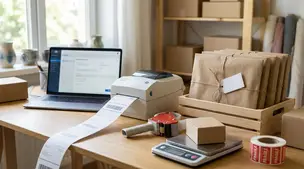
Streamline batch shipping on Etsy with a simple system that saves time, cuts postage costs, automates labels, and boosts order accuracy for happy repeat buyers.
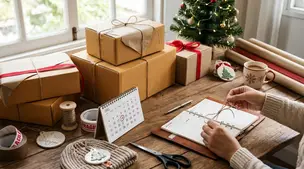
Holiday shipping deadlines guide for Etsy sellers with USPS, UPS, FedEx cutoff dates, processing times, packaging tips, and planning strategies to avoid late deliveries.