

General
How Many Photos Should an Etsy Listing Have?
Discover exactly how many photos your Etsy listing really needs, with winning examples and photo ideas to boost clicks, buyer trust, and sales.

I sell handmade jewelry and sometimes buy beads, charms, or other components from other Etsy shops to use in my designs. I photograph the finished pieces myself for my listings and social media.
Is it considered poor etiquette to use photos of the completed jewelry without attributing the supplier, and are there any Etsy or licensing rules I should be aware of when showing finished products made with purchased components (or design files like SVGs)?
Hi! Yes—you can absolutely use your own photos of the finished jewelry you made with purchased beads/charms/findings, and you generally don’t have to credit the component supplier unless a specific license/contract you agreed to requires attribution.
A few things to watch for so you stay on the right side of both etiquette and Etsy rules:
1) Etiquette (crediting suppliers)
2) Etsy rules: handmade vs. reselling
3) Photos: you’re fine using your own, but don’t reuse theirs
4) Licensing / IP gotchas (the important part)
This is where people get tripped up—not by “credit,” but by what you’re allowed to use commercially.
A practical “safe” approach
If you tell me what kind of digital files you’re using (SVG for engraving? laser cut? printed cards/backing cards?), I can tell you the exact license clauses to look for so you don’t accidentally buy a “personal-use only” file.
Related questions
I sell handmade products on Etsy and I’m considering asking buyers for photos. Is it appropriate, and how do I get permission to use them in listing images?
I sell handmade jewelry on Etsy and want to improve my listing photos, SEO titles/tags, and pricing to look more professional and convert better.
I’m an Etsy seller trying to improve a listing and need constructive feedback on photos, Etsy SEO (title/tags/description), and pricing to boost sales.
I’m new to selling on Etsy and considering Etsy Ads for my self-care shop. What’s a reasonable daily budget, and how do I know if it’s worth it?
I run a small Etsy shop and want simple bookkeeping for income, fees, shipping, expenses, and taxes. Is QuickBooks or Xero better for Etsy sellers?
I’m a new Etsy seller with POD hoodies and I’m unsure if a drawing timelapse or a finished hoodie video (fit and fabric details) will help my listing most.
Related posts
Discover exactly how many photos your Etsy listing really needs, with winning examples and photo ideas to boost clicks, buyer trust, and sales.

Discover if free shipping on Etsy fits your handmade shop, weighing search boost, conversion rates, profit margins, product pricing, and buyer expectations.

Protect Etsy digital downloads from theft with smart watermarks, secure file delivery, licenses, DMCA takedowns, and piracy monitoring to safeguard your profits.
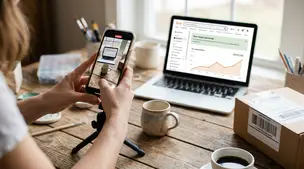
Discover how to create high-converting Etsy listing videos that boost clicks, build buyer trust, showcase product details, and quickly increase your sales.
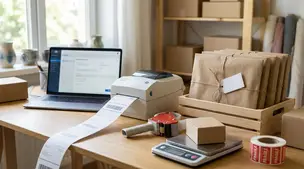
Streamline batch shipping on Etsy with a simple system that saves time, cuts postage costs, automates labels, and boosts order accuracy for happy repeat buyers.
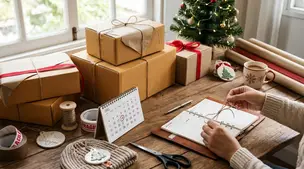
Holiday shipping deadlines guide for Etsy sellers with USPS, UPS, FedEx cutoff dates, processing times, packaging tips, and planning strategies to avoid late deliveries.