

General
What to Do Before You Open an Etsy Shop
Get ready to open a successful Etsy shop with smart product ideas, branding, pricing, photos, SEO keywords, fees, policies, and launch marketing already planned.

I sell on Etsy and originally started my shop as a minor using a parent’s information. Now that I’m 18, I need to set up a new shop under my own details, but I’m unsure how to do it without breaking any Etsy rules.
I’m considering opening a new account, recreating my listings, and keeping the original shop active until the new one gains traction. Does Etsy allow two shops with the same products/listings while I transition, and what’s the safest way to move to a new shop without risking suspension?
Hi! Yes—you can open a brand-new Etsy account/shop now that you’re 18, and that’s usually the cleanest (and safest) way to get everything under your own legal name, bank, and tax details. The key thing is: you can’t “take over” or transfer your parent-owned shop to you, and if you keep the old shop open, Etsy will still treat it as your parent’s shop (your parent stays responsible for taxes, payouts, and any policy issues).
Here’s the safest way to transition without raising avoidable red flags:
1) Set up your new shop the “normal” way (fully in your name)
2) Don’t run the exact same listings in two shops for long
Etsy allows multiple shops, but running the same products/listings in two shops at the same time can look like you’re trying to double-dip exposure in search (and it can confuse customers if both shops are active). I’d avoid having identical items available in both shops simultaneously, or keep any overlap extremely short and controlled during the handoff.
A simple “low-risk” migration approach:
3) Handle open orders and customer service before you wind down the old shop
Before you slow/close the parent shop:
4) Reusing your photos/descriptions is fine if you own them—just don’t copy other sellers
If you created the product photos and listing text, you can reuse them in your new Etsy listings. (If anything was made by someone else—photographer, designer, etc.—make sure you have the rights.)
5) Be careful about “changing details” on the old shop
If the old shop is truly under your parent’s identity, don’t try to morph it into your identity in a way that looks like an ownership transfer. Since Etsy doesn’t allow account transfers, a sudden full swap of who the shop “is” can create verification issues. The cleanest setup is: old shop stays your parent’s until it’s wound down; new shop is yours from day one.
If you tell me whether the old shop currently has any open orders (and whether your parent wants to fully close it or keep it running as their shop), I can suggest the smoothest step-by-step timeline for your exact situation.
Related questions
I want to open an Etsy shop for AI-generated art and print-on-demand products, and I need practical steps on rules, setup, listings, SEO, and income.
I sell handmade art on Etsy and want to add digital cross stitch/needlepoint patterns. Should I list them in my existing shop or open a separate pattern shop?
I’m starting a new Etsy home decor shop and want realistic expectations for how long it takes to get consistent orders and what factors affect it.
I found an Etsy shop that may be reselling mass-produced items and using car brand imagery. How do I report listings for misrepresentation or IP infringement?
I sell handmade hair bows on Etsy and my Etsy SEO isn't getting views. Why do other shops get traffic with messy titles and low-search tags, and what should I focus on?
I run a US-based Etsy shop and want to fulfill orders from the UK for 4–5 weeks. Do I need to change country/taxes, or use Vacation Mode?
Related posts
Get ready to open a successful Etsy shop with smart product ideas, branding, pricing, photos, SEO keywords, fees, policies, and launch marketing already planned.

Learn how to set up Google Analytics 4 for your Etsy shop step by step to track traffic, buyer behavior, keywords, sales funnels, and marketing performance.

Production workflow for your Etsy shop with an SOP template: map order intake to making, QC, packing and shipping, with roles, tools, and ship-by timing.
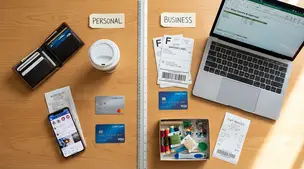
Separate personal and business finances by using a dedicated bank account and card, tracking Etsy fees and payouts, and keeping clean, tax-ready records.

Google Ads for Etsy sellers can outperform Etsy Ads for niche, high-intent keywords and repeat buyers; weigh CPC, offsite fees, and tracking limits first.

Build an email list as an Etsy seller with opt-in landing pages, coupon incentives, and package inserts, while staying fully compliant with Etsy policies.