

General
What to Do Before You Open an Etsy Shop
Get ready to open a successful Etsy shop with smart product ideas, branding, pricing, photos, SEO keywords, fees, policies, and launch marketing already planned.

I create AI-generated artwork, and I’m considering opening an Etsy shop to sell digital downloads and print-on-demand items like T-shirts.
I’m not sure how Etsy’s rules work for AI-generated designs, how to set up production and shipping with a print-on-demand partner, or what I should focus on first (listings, mockups, pricing, SEO, and marketing).
What are the practical steps to get started, and is it realistic to aim for full-time income from AI art on Etsy?
Hi! Yes—you can sell AI-generated artwork on Etsy, and you can absolutely combine digital downloads with print-on-demand (POD) products, but you’ll want to set it up in a very “Etsy-compliant + buyer-trust” way from day one. The big rules to know are: (1) your items must be “designed by you” (your original design/prompt work counts), (2) you must disclose AI use in the relevant Etsy listing(s), and (3) if a POD company prints/ships the item, you must list them as a production partner and make sure your “ships from” location and processing time match reality.
Here’s a practical, step-by-step way to start (without getting overwhelmed):
Then decide what you’ll sell first:
Also, avoid selling “prompt bundles” or anything that looks like you’re just reselling AI outputs you didn’t actually design into a product—Etsy calls those out as not qualifying in their creativity standards.
Production partner (required for POD):
Processing time and delivery expectations:
Before you run Etsy Ads or push marketing, order samples of your best sellers (at least one shirt and one wall-art type item) so you can:
Two quick listing tips that help a lot:
For digital downloads, you’ll usually need either:
Then watch what Etsy tells you:
Is full-time income realistic?
It’s possible, but it’s not “easy money,” and AI art is one of the most saturated categories right now. Full-time usually requires at least one of these:
If you want, tell me which direction you’re leaning (mostly digital downloads, mostly POD, or a mix), your general art style/theme, and whether you’re in the US—then I can suggest a simple “first 20 listings” plan, what to put in your descriptions for AI disclosure, and a pricing structure that won’t leave you underwater.
Related questions
I sell handmade art on Etsy and want to add digital cross stitch/needlepoint patterns. Should I list them in my existing shop or open a separate pattern shop?
I found an Etsy shop that may be reselling mass-produced items and using car brand imagery. How do I report listings for misrepresentation or IP infringement?
My Etsy shop “All Time” stats by month look shifted by one month. Is this a normal Etsy Stats delay/timezone issue, and how can I confirm the correct month?
I run two Etsy shops selling digital poster downloads and want to add needlepoint charts and possibly physical canvases. Should I open a new Etsy shop or add them?
I’m updating my Etsy listings and want to know the best Etsy listing photo dimensions and aspect ratio to prevent thumbnail cropping in search.
I run Pinterest for two Etsy shops with the same strategy, but my vintage jewelry pins get higher click-through on Etsy than my knitted goods. Why?
Related posts
Get ready to open a successful Etsy shop with smart product ideas, branding, pricing, photos, SEO keywords, fees, policies, and launch marketing already planned.

Learn how to set up Google Analytics 4 for your Etsy shop step by step to track traffic, buyer behavior, keywords, sales funnels, and marketing performance.

Production workflow for your Etsy shop with an SOP template: map order intake to making, QC, packing and shipping, with roles, tools, and ship-by timing.
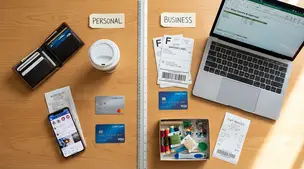
Separate personal and business finances by using a dedicated bank account and card, tracking Etsy fees and payouts, and keeping clean, tax-ready records.

Discover how long it really takes to make money on Etsy, with realistic timelines, proven shop-setup tips, SEO keywords, and fast first-sale strategies.

Product spec sheets for Etsy items record SKUs, materials, measurements, photos, packaging, and QC checkpoints so reorders reliably match what customers expect.