

General
Psychological Pricing Strategies for Etsy
Boost Etsy sales with joyful psychological pricing tips—charm prices, anchoring, bundles, urgency and value cues tailored to handmade, digital and craft shops.

I sell handmade jewelry and I’m listing the same items on multiple platforms, including Etsy, where the fees and costs are different than other marketplaces. Because of that, my Etsy prices end up a bit higher than elsewhere.
I’m also preparing for my first in-person craft fair and I’m designing price tags and business cards. I’m debating whether to include links to all of my online sales channels, and whether it’s okay if my in-person prices are slightly lower than my Etsy prices.
Is it normal for Etsy prices to differ from other platforms and craft fairs, and what’s the best way to handle pricing (and marketing materials) without confusing or upsetting customers?
Hi! Yes—it's totally normal for your Etsy prices to be a bit higher than your craft fair or other-platform prices, as long as you handle it clearly and consistently. Etsy listings often have built-in “extras” (transaction/processing/ads costs, packaging time, and sometimes shipping or “free shipping” baked in), while in-person sales usually don’t—so a small difference won’t shock most customers if you present it the right way.
Here are a few clean ways to price differently without confusing people:
1) Keep one “standard” price, then do an in-person discount (recommended).
Instead of tagging items lower at the fair, keep your price tags aligned with your Etsy listing price and offer a simple “show special,” like:
2) If your in-person prices are lower, keep the difference small and explain it simply.
If someone notices, your script can be:
3) Avoid big undercutting if you want repeat Etsy buyers.
A couple dollars or ~5–15% difference is usually fine. If the gap is large, customers can feel like they “overpaid” online. If your Etsy prices need to be significantly higher to stay profitable, consider adjusting your overall pricing structure (or offering Etsy value-adds like upgraded packaging, easy gifting, nicer photo/selection, etc.) so it feels justified.
Marketing materials (business cards + signage) — keep it simple
For your first craft fair, I’d avoid listing every single platform on the card. It can feel messy and it can invite price comparisons. Instead:
A practical setup that works well
If you tell me roughly how big the price difference is right now (like $2 higher on Etsy vs $8 higher), and whether your Etsy price includes “free shipping,” I can suggest the cleanest pricing structure for your specific situation.
Related questions
I sell digital downloads on Etsy and a buyer paid $6 for a $5 item, but the tax line is $0. What else could cause this, and can buyers add extra at checkout?
I shipped an Etsy international order via USPS, but tracking has been stuck for weeks after acceptance. What can I do, and when should I refund or replace?
My Etsy order tracking shows delivered, but the buyer says it wasn’t received. What should I do next to handle a refund, replacement, or claim?
I sell physical products on Etsy and I’m debating whether free shipping or charging shipping separately leads to better conversions and pricing strategy.
I’m trying to match Etsy’s 2026 Color of the Year in my photos, but the announcements look teal vs. blue—does Etsy publish an official color code?
I’m a Canadian Etsy vintage seller trying to ship to the US without Chit Chats and keep duties predictable, avoiding surprise delivery charges.
Related posts
Boost Etsy sales with joyful psychological pricing tips—charm prices, anchoring, bundles, urgency and value cues tailored to handmade, digital and craft shops.
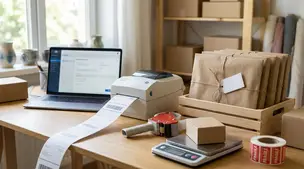
Streamline batch shipping on Etsy with a simple system that saves time, cuts postage costs, automates labels, and boosts order accuracy for happy repeat buyers.

Happy Etsy SEO tips for sellers: master keywords, titles, tags, photos, reviews, free shipping, and conversions to rank higher in Etsy search and boost sales.

Discover how long it really takes to make money on Etsy, with realistic timelines, proven shop-setup tips, SEO keywords, and fast first-sale strategies.
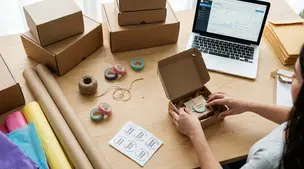
Discover budget-friendly, eco-friendly Etsy packaging supplies—cute mailers, custom boxes, tissue, stickers, and inserts that protect products and delight buyers.
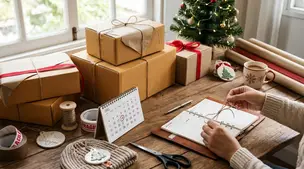
Holiday shipping deadlines guide for Etsy sellers with USPS, UPS, FedEx cutoff dates, processing times, packaging tips, and planning strategies to avoid late deliveries.