

General
Psychological Pricing Strategies for Etsy
Boost Etsy sales with joyful psychological pricing tips—charm prices, anchoring, bundles, urgency and value cues tailored to handmade, digital and craft shops.

I sell a higher-priced item on Etsy, and I’ve had periods where social media drives a lot of visits to the listing. The traffic seems interested (I’m getting favorites regularly), but purchases are still rare and my conversion rate stays very low.
What are the most common reasons a listing gets lots of favorites but few sales, and what should I change first (pricing, photos, description, shipping, or the type of traffic I’m sending) to improve conversions?
Hi! When a higher-priced Etsy listing gets lots of favorites but few sales, it usually means shoppers like it but something in the “last 10%” of the decision (total cost, trust, clarity, or fit) is stopping them from checking out—favorites often act like a “save for later / maybe when I’m ready” button, especially for expensive items.
If you want the highest-impact order of what to change first, I’d do this:
A quick trick: pull up your listing and ask, “What would a cautious buyer need to feel confident spending this much today?”
Small changes that help:
If you tell me what the item is (category), typical price range, your shipping cost/processing time, and whether it’s customizable, I can point to the most likely bottleneck and what I’d change first for your specific listing.
Related questions
I sell digital downloads on Etsy and a buyer paid $6 for a $5 item, but the tax line is $0. What else could cause this, and can buyers add extra at checkout?
I shipped an Etsy international order via USPS, but tracking has been stuck for weeks after acceptance. What can I do, and when should I refund or replace?
I have a new Etsy jewelry shop getting clicks from Etsy Ads but no orders yet. Should I keep spending, and should I split sizes into separate listings?
My Etsy order tracking shows delivered, but the buyer says it wasn’t received. What should I do next to handle a refund, replacement, or claim?
I’m selling a vintage china collection on Etsy and I’m unsure whether to list it as a full set, by place setting, or as individual pieces for shipping and buyer appeal.
I run an Etsy shop selling t-shirts and listing work takes as much time as designing. Which Etsy listing tasks take longest, and what can I automate?
Related posts
Boost Etsy sales with joyful psychological pricing tips—charm prices, anchoring, bundles, urgency and value cues tailored to handmade, digital and craft shops.
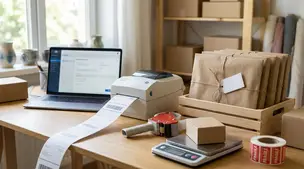
Streamline batch shipping on Etsy with a simple system that saves time, cuts postage costs, automates labels, and boosts order accuracy for happy repeat buyers.

Discover pricing, positioning, and funnel strategies to sell digital products alongside existing offers, boosting revenue without cannibalizing core sales.

Happy Etsy SEO tips for sellers: master keywords, titles, tags, photos, reviews, free shipping, and conversions to rank higher in Etsy search and boost sales.

Boost Etsy sales with Promoted Listings by targeting winning keywords, refining bids, testing ads, and optimizing high-converting product photos and pricing.
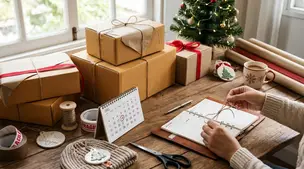
Holiday shipping deadlines guide for Etsy sellers with USPS, UPS, FedEx cutoff dates, processing times, packaging tips, and planning strategies to avoid late deliveries.