

General
How Much Money Can You Make Selling on Etsy?
Discover realistic Etsy income ranges, profit margins, fees, and proven tips to boost sales so you can grow your handmade or digital product shop confidently.

I’m new to selling, and I’m thinking about making small display models and décor pieces (like the mini signs and countertop items you see in cafés). A lot of similar products online look like they’re 3D printed, so I’m considering using a 3D printer to make my own designs.
Does Etsy allow 3D-printed products as “handmade,” and what do I need to do in my listings to stay compliant (for example, designing the files myself vs. printing someone else’s design)?
Hi! Yes—Etsy does allow 3D‑printed items in the “Handmade” category, but the big compliance line is that the design has to be yours (or genuinely custom made by you for the buyer) and you need to be transparent about how it’s produced.
If you’re designing your own models and printing them yourself on your own 3D printer, that generally fits Etsy’s “made by a seller”/handmade intent (you’re using your own tools to make a physical product from your original design). In your Etsy listing, just describe it honestly (for example: “Designed by me and 3D printed in my studio”), use your own photos, and don’t imply it’s hand-carved, cast, etc.
Here’s how to stay compliant (and avoid the most common pitfalls):
1) Make sure the design is actually yours
2) Choose the right production setup
3) Be clear in the listing description (simple, honest wording)
A good safe pattern is:
4) Use compliant photos
Use your own photos of the actual item you’re selling (not mockups from someone else’s render pack). If you can, including 1–2 “process” photos (printer in action, pieces being sanded/painted) can help if Etsy ever asks questions about how it’s made.
5) If you want to use other people’s designs, don’t assume it’s OK on Etsy
Even if a file creator says “you can sell physical prints,” Etsy’s “handmade/made by seller” expectations don’t always line up with licensing language. The safest Etsy path is: sell prints of your own original designs, or sell your own STL files as digital downloads (if that’s part of your plan).
If you tell me whether you’ll be printing at home or using a print service, and whether your items are resin or filament, I can suggest the cleanest “processing” wording for your descriptions and a checklist for your shop’s production partner/disclosure setup.
Related questions
I sell digital downloads on Etsy and a buyer paid $6 for a $5 item, but the tax line is $0. What else could cause this, and can buyers add extra at checkout?
I shipped an Etsy international order via USPS, but tracking has been stuck for weeks after acceptance. What can I do, and when should I refund or replace?
My Etsy order tracking shows delivered, but the buyer says it wasn’t received. What should I do next to handle a refund, replacement, or claim?
I run an Etsy shop in the EU and ship to the US. Do I need to physically sign and date the customs form, or is electronic submission enough?
I put my established Etsy shop on Vacation Mode for a month, and after reopening my traffic, sales, and Etsy Ads performance dropped—does it affect ranking?
I sell custom digital artwork on Etsy and delivered a custom file by message, but the buyer hasn’t downloaded it yet. Should I mark the order complete?
Related posts
Discover realistic Etsy income ranges, profit margins, fees, and proven tips to boost sales so you can grow your handmade or digital product shop confidently.

Learn how to break even faster on Etsy with smart pricing, fee-cutting tactics, bestseller research, SEO-powered listings, and affordable Etsy Ads strategies.

Discover why selling on Etsy boosts your handmade brand visibility, low startup costs, built-in traffic, loyal buyers, and flexible, low-risk income.

Discover exactly what you can sell on Etsy—from handmade crafts and digital downloads to vintage treasures and craft supplies—and start growing a joyful shop today.
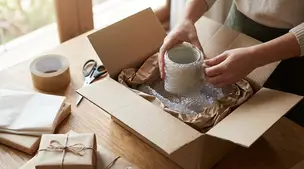
Pack handmade gifts like a pro with sturdy boxes, eco-friendly cushioning, snug wrapping, and clear labels to prevent cracks, crushes, and costly shipping damage.

Product spec sheets for Etsy items record SKUs, materials, measurements, photos, packaging, and QC checkpoints so reorders reliably match what customers expect.