

General
How to Protect Digital Files From Theft on Etsy
Protect Etsy digital downloads from theft with smart watermarks, secure file delivery, licenses, DMCA takedowns, and piracy monitoring to safeguard your profits.

I sell small-batch massage balms and cosmetic-style products on Etsy, and I want to start printing my own product labels so I can change ingredients/scents and make new labels as needed instead of ordering large rolls from a print shop.
I’m trying to choose between a direct thermal printer and a thermal transfer printer. I’ve read that direct thermal labels can fade or discolor over time, especially with heat, light, or oils, and I’m not sure if that makes them a bad fit for cosmetic jars and tins.
For Etsy packaging labels used on balms/cosmetics, is direct thermal ever a reliable option, or is thermal transfer the better choice for durability? If thermal transfer is recommended, what printer features/models should I look for (especially options that are easy to buy in Australia)?
Hi! For balm/cosmetic jars and tins, direct thermal is usually a poor fit for anything you want to look good for months—it can fade, darken, or get blotchy from heat, sunlight/UV, friction, and especially oils/plasticizers that are common around cosmetics packaging. For product labels (not just shipping labels), thermal transfer is the more reliable choice for durability and a consistently “retail” look.
Direct thermal can work only in narrow situations: short-life labels (events/pop-ups), products stored cool/dark, labels placed where they won’t be handled much, and when you’re okay with possible discoloration over time. For anything that might sit in a warm bathroom, get oily fingers on it, or ship in summer heat, I’d avoid it.
If you go thermal transfer, what to look for (and what works well for cosmetics)
Models/features that are typically easy to get in Australia (good, practical picks)
A quick reality check on “won’t fade”
No home thermal system is truly bulletproof without the right materials. If you want the best “won’t fade/smear” outcome for balms, the winning combo is usually:
If you tell me your label size (e.g., 2" round, 1.5" x 3", etc.), whether you want white-on-clear or white-on-white, and roughly how many labels you print per week, I can point you to a more specific setup (and which ribbon type is most worth it for your exact use).
Related questions
When buying an Etsy shipping label, Etsy says my return address is “unconfirmed” even though it hasn’t changed. Is this a bug or USPS validation issue?
I ship small flat items with Etsy USPS letter labels, but now only ~$4.78 package rates show in the app. Did Etsy remove letter labels or change settings?
I’m using Etsy Global Shipping labels and my international packages are getting incorrect weight re-measurements at the export hub, causing big postage adjustments.
I have a new Etsy shop with no warnings, but Etsy is holding my payouts. What triggers a payment reserve, and how can I release payouts sooner without tracking?
I sell custom pet portrait prints on Etsy but my listings get zero views. What Etsy SEO and listing/photo changes should I prioritize to improve visibility?
I’m getting odd Etsy buyer messages that don’t match my listings, and when I reply Etsy won’t send and the conversation disappears—what’s causing this?
Related posts
Protect Etsy digital downloads from theft with smart watermarks, secure file delivery, licenses, DMCA takedowns, and piracy monitoring to safeguard your profits.
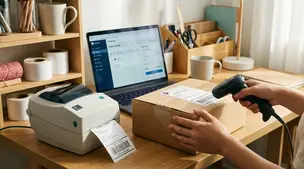
Barcodes and labels streamline picking, packing, and shipping for Etsy orders with simple SKU setup, scanner tips, label printers, and error-proof workflows.

Etsy business email organized with Gmail labels and filters that auto-sort orders, customer questions, and notifications, keeping urgent messages easy to spot.
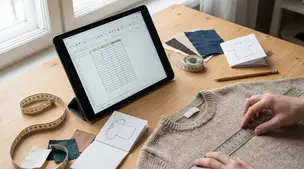
Size guide for Etsy listings with clear measurement tables, photo-ready charts, and examples for apparel and prints to cut buyer sizing questions and returns.

Product spec sheets for Etsy items record SKUs, materials, measurements, photos, packaging, and QC checkpoints so reorders reliably match what customers expect.

Notion for Etsy sellers: organize tasks, listing tweaks and notes in one place, with database views for today and this week plus an ideas inbox, at a glance.