

General
How to Protect Digital Files From Theft on Etsy
Protect Etsy digital downloads from theft with smart watermarks, secure file delivery, licenses, DMCA takedowns, and piracy monitoring to safeguard your profits.

I sell small-batch massage balms/cosmetics on Etsy and want to print my own product labels so I can change ingredients, scents, and batches without ordering large pre-printed runs.
I’m trying to choose between a direct thermal printer and a thermal transfer printer. I’ve read that direct thermal labels can fade, especially with heat, light, oils, or handling, and I’m not sure if that makes them a bad fit for cosmetic jars and tins.
For durable cosmetic labels, is direct thermal ever a good option, or should I plan on thermal transfer instead—and what printer and label materials work well for this use case (especially options that are easy to buy in Australia)?
Hi! For cosmetic jars/tins that may get warm, sit in light, and get touched with oily hands, direct thermal is usually a poor fit—it can work for very short‑life labels, but if you want labels that won’t fade or smudge, plan on thermal transfer (with the right ribbon + label film).
Direct thermal works by darkening a heat‑sensitive coating on the label itself, so it’s inherently vulnerable to heat, UV/light, abrasion, and chemicals/oils. Even “better” direct thermal (top‑coated) is still a compromise. I’d only consider direct thermal if:
Thermal transfer printer + film labels + resin (or wax/resin) ribbon is the durable combo.
Label material (pick one):
Adhesive (this matters a lot on tins/jars):
Ribbon (this is what makes thermal transfer “durable”):
You’ll want a desktop 4-inch thermal transfer printer (even if your labels are small—4-inch printers handle lots of roll options and are easier to source supplies for).
Common, solid choices that are widely sold in AU:
Tip: If your label has small ingredient text, consider 300 dpi if budget allows (crisper tiny type). 203 dpi is fine for many labels, but small fonts look noticeably better at 300 dpi.
When you shop for supplies, use these phrases—it helps suppliers match the right stock:
If you tell me (1) your jar/tin diameter, (2) the label size you want, and (3) whether you need color or just black text, I can suggest a practical setup (printer model tier + exact label/ribbon type) that’s realistic for small-batch Etsy production in Australia.
Related questions
When buying an Etsy shipping label, Etsy says my return address is “unconfirmed” even though it hasn’t changed. Is this a bug or USPS validation issue?
I ship small flat items with Etsy USPS letter labels, but now only ~$4.78 package rates show in the app. Did Etsy remove letter labels or change settings?
I’m using Etsy Global Shipping labels and my international packages are getting incorrect weight re-measurements at the export hub, causing big postage adjustments.
I sell original digital knitting patterns on Etsy, but a listing was removed for an IP policy violation with no details and no appeal. What should I check?
I’m shipping an Etsy order from Canada to South Korea with a Canada Post/Etsy label that won’t accept Korean characters—should I use romanized address only?
I sell handmade hair bows on Etsy and some competitors get views with messy titles and low-volume tags. Why, and what should I focus on to increase Etsy views?
Related posts
Protect Etsy digital downloads from theft with smart watermarks, secure file delivery, licenses, DMCA takedowns, and piracy monitoring to safeguard your profits.
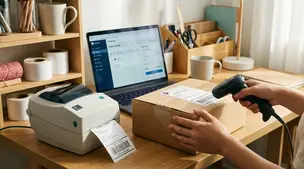
Barcodes and labels streamline picking, packing, and shipping for Etsy orders with simple SKU setup, scanner tips, label printers, and error-proof workflows.

Etsy business email organized with Gmail labels and filters that auto-sort orders, customer questions, and notifications, keeping urgent messages easy to spot.

Etsy notifications setup for sellers: choose order, message, and shipping alerts in the Seller app and email settings, plus quick fixes when pushes fail.

Product spec sheets for Etsy items record SKUs, materials, measurements, photos, packaging, and QC checkpoints so reorders reliably match what customers expect.

Notion for Etsy sellers: organize tasks, listing tweaks and notes in one place, with database views for today and this week plus an ideas inbox, at a glance.