

General
Psychological Pricing Strategies for Etsy
Boost Etsy sales with joyful psychological pricing tips—charm prices, anchoring, bundles, urgency and value cues tailored to handmade, digital and craft shops.

I run a small Etsy shop in California that started as a side project but has grown this year, and I’m trying to get the business paperwork in order. I registered a DBA for my shop name, but I’m stuck on the city business license because I live in an apartment and my property management won’t sign paperwork related to operating a business at the address.
When I asked at city hall, I was told I could use a virtual office address instead, but I’m not sure what’s actually required or what a safe option looks like. I also want to sell at local pop-up markets and swap meets, and I’ve been told I may need both a city business license and a California seller’s permit.
What’s the best way to handle the business license and seller’s permit requirements for an Etsy seller in California when you can’t use your apartment address, and is a virtual office a legitimate solution?
Hi! In California, the “city business license” part is local (each city has its own rules), but as a general, safe approach: you want your license tied to the real place you run the business from (even if it’s a home-based Etsy shop), and then use a separate mailing address (PO box/CMRA/virtual mailbox) if your apartment/landlord situation is the issue. A “virtual office” can be legitimate only if your city explicitly allows it for your type of business, but you don’t want to list an address where you’re not actually operating if the city treats that as the business location.
Here’s the cleanest way to handle it without guessing.
Ask your city/business licensing office these two very specific questions (these exact terms matter):
Can I list my apartment as the “business location” (home occupation) but use a different “mailing address”?
Is a property manager/landlord signature actually required for a home occupation business license, or only for certain activities?
If your city truly requires property-owner signoff and your management won’t do it, your realistic options are:
What I’d avoid: listing a virtual office as your “business location” if you’re actually making/packing/holding inventory at your apartment. If there’s ever a zoning complaint, business tax audit question, or licensing review, that mismatch can become a headache.
If you only sell physical products through Etsy (and don’t do any in-person or off-Etsy direct sales), many sellers aren’t required to register for a CA seller’s permit because Etsy is treated as a marketplace facilitator and generally handles the sales tax side for those marketplace sales.
But the moment you sell in person (pop-ups, swap meets, craft fairs) or do direct sales (your own site, Instagram invoices, Square at events, etc.), you generally do need a CDTFA seller’s permit (or sometimes a temporary seller’s permit, depending on your situation). For swap meets/flea markets/special events, California is pretty clear that sellers are generally required to have a seller’s permit, and event operators typically ask for your permit info.
Also, if you hold a seller’s permit and sell at events, you may need to register “sub-permits” or add temporary selling locations depending on how you’re set up and what the event/operator requires.
If you tell me your city (just the city name is enough) and whether you’re selling physical goods vs digital, I can help you figure out which path is most likely to work there—and what wording to use when you follow up with the business license office so you get a clear yes/no on the virtual office vs mailing address question.
Related questions
I sell digital downloads on Etsy and a buyer paid $6 for a $5 item, but the tax line is $0. What else could cause this, and can buyers add extra at checkout?
I shipped an Etsy international order via USPS, but tracking has been stuck for weeks after acceptance. What can I do, and when should I refund or replace?
My Etsy order tracking shows delivered, but the buyer says it wasn’t received. What should I do next to handle a refund, replacement, or claim?
I run an Etsy shop and a buyer wants a refund after the order shipped because they found a cheaper option. What’s the standard Etsy approach?
I’m setting up a new Etsy shop and considering Etsy Plus to waive the one-time setup fee. Can I cancel after a month or two, and are there any downsides?
I run an Etsy shop and I’m getting lots of Etsy views and visits but only one order. What’s the difference, and how can I improve conversions?
Related posts
Boost Etsy sales with joyful psychological pricing tips—charm prices, anchoring, bundles, urgency and value cues tailored to handmade, digital and craft shops.
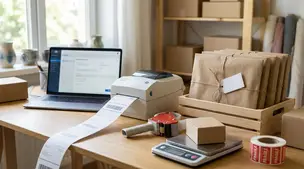
Streamline batch shipping on Etsy with a simple system that saves time, cuts postage costs, automates labels, and boosts order accuracy for happy repeat buyers.

Happy Etsy SEO tips for sellers: master keywords, titles, tags, photos, reviews, free shipping, and conversions to rank higher in Etsy search and boost sales.

Discover how long it really takes to make money on Etsy, with realistic timelines, proven shop-setup tips, SEO keywords, and fast first-sale strategies.
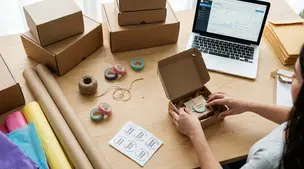
Discover budget-friendly, eco-friendly Etsy packaging supplies—cute mailers, custom boxes, tissue, stickers, and inserts that protect products and delight buyers.

Holiday shipping deadlines guide for Etsy sellers with USPS, UPS, FedEx cutoff dates, processing times, packaging tips, and planning strategies to avoid late deliveries.