

General
Psychological Pricing Strategies for Etsy
Boost Etsy sales with joyful psychological pricing tips—charm prices, anchoring, bundles, urgency and value cues tailored to handmade, digital and craft shops.

I opened an Etsy shop about a year ago, and I’m still not getting consistent traffic or sales. The only purchases so far have been from people I already know.
What are the most important things I should review in my listings and shop setup (photos, titles/tags, pricing, shipping, and policies) to start getting found in Etsy search and converting views into sales?
Hi! If your Etsy shop is getting almost no traffic a year in, the fastest path is usually (1) make sure Etsy search can clearly understand what you sell (titles/tags/categories/attributes), and (2) make the listing “convert” once someone clicks (photos, price, shipping, trust signals). Most shops with only friend sales are missing clarity (keyword-targeted listings) and/or confidence (photos, shipping, reviews, policies).
Here’s what I’d review first, in order of impact:
Your goal: each listing should target one specific search phrase a real buyer would type.
Quick self-check: if you look at your title + first photo + price, is it instantly obvious what it is, what size/quantity you get, and why it’s worth buying?
Traffic often starts improving when your main photo looks like it belongs on page 1.
Even with good SEO, people won’t buy if the value isn’t obvious.
Many descriptions don’t sell—they just describe.
Make sure your first 3–5 lines answer:
Tip: Write like you’re responding to a buyer message before they even ask.
When you don’t have reviews yet, buyers look for “proof” elsewhere.
If you only have a handful of listings, Etsy has fewer chances to match you to searches. More listings isn’t magic, but more targeted listings helps. Try building out:
Etsy Ads can help you test, but if the listing doesn’t convert, ads just burn money. I’d only turn on Etsy Ads after you’ve tightened:
If you want, paste one listing title + the first 5 tags + a quick description of your product and I’ll tell you exactly what I’d change (and what keywords you’re currently missing).
Related questions
I sell digital downloads on Etsy and a buyer paid $6 for a $5 item, but the tax line is $0. What else could cause this, and can buyers add extra at checkout?
I shipped an Etsy international order via USPS, but tracking has been stuck for weeks after acceptance. What can I do, and when should I refund or replace?
I have a new Etsy jewelry shop getting clicks from Etsy Ads but no orders yet. Should I keep spending, and should I split sizes into separate listings?
My Etsy order tracking shows delivered, but the buyer says it wasn’t received. What should I do next to handle a refund, replacement, or claim?
I shipped an Etsy order on time but forgot to mark it as shipped, and it now shows overdue. Can I set the correct ship date to protect my shop stats?
I sell tree seedlings on Etsy and need affordable 6 x 6 x 30 inch tall shipping boxes to keep plants upright; where can I source them and cut per-box cost?
Related posts
Boost Etsy sales with joyful psychological pricing tips—charm prices, anchoring, bundles, urgency and value cues tailored to handmade, digital and craft shops.
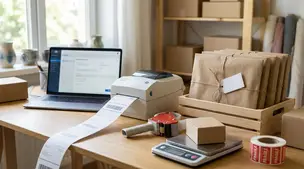
Streamline batch shipping on Etsy with a simple system that saves time, cuts postage costs, automates labels, and boosts order accuracy for happy repeat buyers.

Discover pricing, positioning, and funnel strategies to sell digital products alongside existing offers, boosting revenue without cannibalizing core sales.

Happy Etsy SEO tips for sellers: master keywords, titles, tags, photos, reviews, free shipping, and conversions to rank higher in Etsy search and boost sales.

Boost Etsy repeat customers with unforgettable unboxing, personalized messages, loyalty discounts, fast shipping, and email marketing that keeps your shop top-of-mind.

Holiday shipping deadlines guide for Etsy sellers with USPS, UPS, FedEx cutoff dates, processing times, packaging tips, and planning strategies to avoid late deliveries.