

General
How to Protect Your Etsy Shop From Scams and Phishing
Etsy phishing scams: spot fake support messages, QR-code traps, and off-platform payment requests, then lock down your account with 2FA and spam reporting.

I’m preparing to open an Etsy shop to sell my own artwork on items like stickers, keychains, and art prints, but I’m not sure where to have these products made.
Is it okay to use multiple suppliers or printers for different products, and what’s the best way to choose reliable options (ideally based in Australia) while keeping quality and shipping consistent?
Hi! Yes—it's totally okay (and really common) to use multiple suppliers/printers for different products in your Etsy shop, especially when you’re selling your own artwork on stickers, keychains, and art prints. The main Etsy “rule” to remember is: if a third party helps manufacture/print your designs (including print-on-demand), you should list them as a production partner on the relevant Etsy listings so you’re transparent about how the item is made.
If you want Australia-based options to start researching, here are a few that many Aussie small businesses/artists use (always order samples first to confirm quality for your style):
How to pick reliable suppliers (and keep quality/shipping consistent)
One small Etsy tip that saves headaches: if you’re using multiple vendors, build your listings so each product can stand alone (its own processing time, shipping cost, and clear photos). That way, you won’t get stuck trying to combine shipping/dispatch promises across suppliers with different turnaround times.
If you tell me which city/state you’re in and whether you want drop-shipping or to hold stock at home, I can help you narrow this down into a simple setup (suppliers + processing times + shipping profiles) that feels consistent to buyers.
Related questions
I want to open an Etsy shop for AI-generated art and print-on-demand products, and I need practical steps on rules, setup, listings, SEO, and income.
I sell handmade art on Etsy and want to add digital cross stitch/needlepoint patterns. Should I list them in my existing shop or open a separate pattern shop?
I run a small Etsy shop selling art prints but traffic and sales are low. What changes to Etsy SEO, photos, pricing, or Etsy Ads will boost sales?
I found an Etsy shop that may be reselling mass-produced items and using car brand imagery. How do I report listings for misrepresentation or IP infringement?
I’m trying to protect email marketing deliverability after high bounces—should I verify and clean my subscriber list regularly, and how often?
I send an opt-in newsletter to a few thousand subscribers and I’m weighing email marketing platform cost vs setup effort—when is switching worth it?
Related posts
Etsy phishing scams: spot fake support messages, QR-code traps, and off-platform payment requests, then lock down your account with 2FA and spam reporting.

Learn how to set up Google Analytics 4 for your Etsy shop step by step to track traffic, buyer behavior, keywords, sales funnels, and marketing performance.
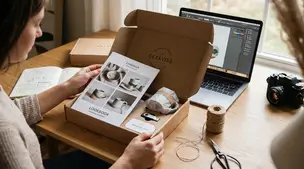
Etsy press kit checklist: brand story, high-res product photos, logos, pricing, shop links, and contacts so journalists and bloggers feature your work fast.
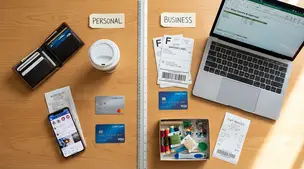
Separate personal and business finances by using a dedicated bank account and card, tracking Etsy fees and payouts, and keeping clean, tax-ready records.

Two Etsy shops under one name: Etsy allows more than one shop, but each needs its own account, unique shop name, public profile disclosure, plus clean branding.

TikTok for Etsy sellers: 30 practical post prompts with quick hooks, studio shots, making and packing orders, product benefits, CTAs, and hashtags for your shop.