

General
Etsy Featured Listings: How to Curate Your Shop Homepage
Etsy featured listings help spotlight bestsellers on your Shop Home; pick 4 (or sections), order them for cohesive photos, and rotate a queued set for seasons.

I run a long-established Etsy shop that sells authentic, vintage, licensed merchandise. Recently I’ve had multiple intellectual property takedown notices across several listings in a short period, including one that came in while my shop was on Vacation Mode.
As far as I can tell, the items are genuine and not reproductions, but it seems like automated enforcement or brand representatives may be flagging them anyway. I’m worried about losing listings and potentially facing shop restrictions.
Is there a recent increase in IP enforcement affecting vintage sellers, and what’s the best way to respond on Etsy when authentic vintage items get taken down?
Hi! Even if your items are 100% authentic vintage, Etsy will still take listings down when they receive an IP complaint—because the notice is usually about how the listing uses the brand’s IP (words, logos, characters, photos), not whether the physical item is genuine. That’s also why it can happen during Vacation Mode: the complaint is tied to the listing URL/content, and Etsy processes the notice when it comes in.
A few important clarifiers (this is where vintage sellers get blindsided):
If you want the safest “don’t risk shop restrictions” approach, here’s how I’d respond:
1) Figure out exactly what type of IP claim it is (and don’t relist yet).
Check the takedown email/details and note whether it says copyright/DMCA or trademark (or both). Relisting the same content repeatedly can stack up notices fast.
2) If it’s a copyright/DMCA takedown and you truly believe it’s an error, consider a counter notice—but only if you’re willing to escalate.
A DMCA counter notice is basically you formally saying, “This was removed by mistake,” and it can lead to the other party having to take legal action to keep it down. That’s a real legal step, so if you’re not comfortable with that, the lower-risk route is usually to revise the listing to remove the copyrighted elements (often: character artwork, logo-heavy imagery, or certain wording) and move on.
3) If it’s a trademark takedown, your best move is usually: contact the rights-holder/agent and ask for a retraction, and/or rewrite the listing to “nominatively” describe the item.
With trademark reports, Etsy generally won’t debate it. What works in practice is:
4) Tighten up the listing content that most often triggers “licensed vintage” takedowns.
These are the common tripwires:
5) Protect your shop account while you sort this out.
On your “is there a recent increase?” question: a lot of sellers feel like enforcement has gotten more aggressive (more brand agents, more automated scanning, faster repeat notices), but Etsy usually doesn’t give sellers a clear “here’s what changed” announcement around IP reporting. So I’d treat it as: yes, it can spike without warning, and the best defense is tightening listing language/images and responding correctly based on whether it’s DMCA (copyright) or trademark.
If you want, paste (without any personal info) the exact wording of one takedown email line that states the type of IP (copyright vs trademark) and what they say was infringed, and I’ll tell you the safest next step for that specific scenario.
Related questions
I sell digital downloads on Etsy and a buyer paid $6 for a $5 item, but the tax line is $0. What else could cause this, and can buyers add extra at checkout?
I shipped an Etsy international order via USPS, but tracking has been stuck for weeks after acceptance. What can I do, and when should I refund or replace?
I’m setting up a new Etsy shop and onboarding is stuck on the “How you’ll get paid” step with a Save and continue error. How can I fix it, and when should I contact Etsy Support?
My Etsy order tracking shows delivered, but the buyer says it wasn’t received. What should I do next to handle a refund, replacement, or claim?
I run a small Etsy shop and Etsy’s $35 free shipping guarantee is too high—can I set my own free shipping minimum like $10, and where?
An Etsy buyer opened a “not as described” case because an optician won’t fit prescription lenses in my sunglasses. How should I respond, and will Etsy side with them?
Related posts
Etsy featured listings help spotlight bestsellers on your Shop Home; pick 4 (or sections), order them for cohesive photos, and rotate a queued set for seasons.
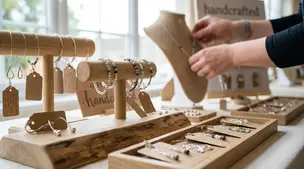
Selling jewelry on Etsy: List exact metals, flag nickel sensitivity, and support hypoallergenic wording with supplier docs or testing to reduce buyer issues.
Etsy Materials and Occasion fields can boost visibility when chosen for buyer filters; match category, avoid guesswork, and align tags with real intent.

Happy Etsy SEO tips for sellers: master keywords, titles, tags, photos, reviews, free shipping, and conversions to rank higher in Etsy search and boost sales.

Discover why Etsy reviews sometimes don’t appear, from eligibility windows and policy removals to technical glitches, missing orders, and filtered star ratings.

Product spec sheets for Etsy items record SKUs, materials, measurements, photos, packaging, and QC checkpoints so reorders reliably match what customers expect.