

General
How to Use Listing Videos to Increase Etsy Sales
Discover how to create high-converting Etsy listing videos that boost clicks, build buyer trust, showcase product details, and quickly increase your sales.

I sell handmade items on Etsy, and I’ve experimented with a few customizable/personalized product options (like choosing colors or adding custom text). So far, those listings haven’t gotten enough sales to justify keeping them active.
For sellers who do well with customization, what tends to make those listings convert—clearer listing photos, better personalization options, different pricing, or longer processing times? Should I keep trying customization or focus on non-custom versions that are easier to fulfill?
Hi! Yes—customizable/personalized Etsy listings can sell really well, but they only convert when the buyer instantly understands (1) what they’re getting, (2) exactly how to personalize it, and (3) when it’ll arrive. If your personalized versions aren’t moving, it’s usually not because “customization doesn’t work,” but because there’s too much friction or uncertainty compared to a ready-to-ship option.
Here are the biggest levers that tend to improve conversion for customization (in the order I’d tackle them):
Most shoppers hesitate because they’re scared they’ll type the wrong thing or won’t like the result.
Customization listings need “proof.” People buy when they can visualize their finished item.
More options usually lowers conversion because it increases decision fatigue.
Personalized items often do better when the buyer feels the base is reasonable and the custom work is a clear add-on.
Longer processing times can work, but only if you offset the fear.
Proofs can boost confidence, but they can also slow you down.
If your non-custom versions already sell, I’d keep them as your “fast, easy” bestseller path and treat customization as an upgrade path—not a separate experiment you have to force. A practical approach is:
If you want, paste one of your personalization instructions (exact wording) and tell me what the item is + typical processing time, and I’ll suggest a cleaner personalization prompt and a photo checklist tailored to your listing.
Related questions
I sell handmade baby knitwear on Etsy and I’m listing a cardigan with animal appliqué and optional name embroidery—should I use separate listings or variations for better Etsy SEO?
I sell handmade items on Etsy and made-to-order listings stress me out when they sell. Should I pause them, switch to ready-to-ship, or adjust policies?
I run a small Etsy shop selling art prints but traffic and sales are low. What changes to Etsy SEO, photos, pricing, or Etsy Ads will boost sales?
I sell small items on Etsy and got a 4-star review saying it was smaller than expected. What’s the best way to show scale clearly in my listings?
I’m listing bow-shaped bookmarks with multiple color options and want to know if Etsy performs better with one listing with variations or separate listings.
I opened a new Etsy shop and Etsy is holding my funds for 14 business days. Is this a temporary reserve for new shops or a permanent payout schedule?
Related posts
Discover how to create high-converting Etsy listing videos that boost clicks, build buyer trust, showcase product details, and quickly increase your sales.

Turn your Etsy views into steady sales with better keywords, pricing, photos, and conversion-focused listing tweaks that build trust and boost shop revenue.

Revive dead Etsy listings with smart SEO, renewal timing, fresh photos and keywords that boost traffic, restore visibility and get your shop selling again.

Discover rules, limits and branding tips for changing your Etsy shop name so you protect SEO, keep customers, refresh your brand and choose a memorable new URL.
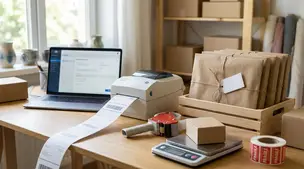
Streamline batch shipping on Etsy with a simple system that saves time, cuts postage costs, automates labels, and boosts order accuracy for happy repeat buyers.
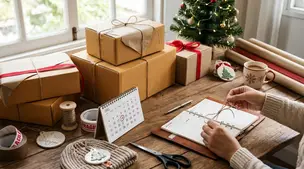
Holiday shipping deadlines guide for Etsy sellers with USPS, UPS, FedEx cutoff dates, processing times, packaging tips, and planning strategies to avoid late deliveries.