

General
What to Do Before You Open an Etsy Shop
Get ready to open a successful Etsy shop with smart product ideas, branding, pricing, photos, SEO keywords, fees, policies, and launch marketing already planned.

I run a small Etsy shop selling handmade items featuring a mix of public-domain artwork designs and my own original designs. The shop has been open for a few years and has made some sales, but I’d like to grow it now that I have more time to focus on it.
Because each piece takes a meaningful amount of time to make, my pricing is on the higher side, and I know the style is fairly niche. What are the most important changes I should make to improve my listings and shop presentation and drive more consistent sales?
Hi! If you sell niche handmade items at higher prices, the biggest “growth lever” on Etsy usually isn’t lowering price—it’s making your listings instantly communicate why they’re worth it (quality, process, materials, uniqueness) and making it easy for the right buyer to find you and feel confident buying.
Here are the most important changes I’d focus on, in order:
Then in the first 1–2 lines of the description (and ideally your listing images too), state:
What it is + who it’s for + why it’s special (materials/process/time/custom options).
Quick tip: if you use public-domain artwork, add keywords that describe the style/era/subject (“Art Nouveau botanical”, “19th century engraving style”, etc.) rather than relying on artist names (and avoid modern brand/character terms).
This gives new shoppers a way in, and repeat buyers a reason to trade up.
Two quick cautions (important with public-domain designs)
If you want, tell me 1) what product type you sell (e.g., jewelry, prints, textiles, home decor), 2) your average price range, and 3) your niche style keywords—then I can suggest a strong title formula, photo shot list, and a tighter set of Etsy tags that fit premium handmade listings.
Related questions
I want to open an Etsy shop for AI-generated art and print-on-demand products, and I need practical steps on rules, setup, listings, SEO, and income.
I sell handmade art on Etsy and want to add digital cross stitch/needlepoint patterns. Should I list them in my existing shop or open a separate pattern shop?
I found an Etsy shop that may be reselling mass-produced items and using car brand imagery. How do I report listings for misrepresentation or IP infringement?
My Etsy shop “All Time” stats by month look shifted by one month. Is this a normal Etsy Stats delay/timezone issue, and how can I confirm the correct month?
I sell cute pastel floral apparel on Etsy and want to add a very different style. Will mixing niches hurt Etsy SEO/visibility, or should I open a second shop?
I run a new Etsy shop and buyers often message private feedback instead of leaving an Etsy review. How can I encourage public reviews without breaking rules?
Related posts
Get ready to open a successful Etsy shop with smart product ideas, branding, pricing, photos, SEO keywords, fees, policies, and launch marketing already planned.

Learn how to set up Google Analytics 4 for your Etsy shop step by step to track traffic, buyer behavior, keywords, sales funnels, and marketing performance.
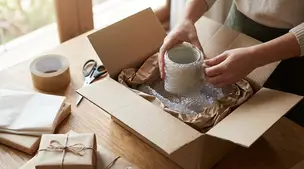
Pack handmade gifts like a pro with sturdy boxes, eco-friendly cushioning, snug wrapping, and clear labels to prevent cracks, crushes, and costly shipping damage.

Production workflow for your Etsy shop with an SOP template: map order intake to making, QC, packing and shipping, with roles, tools, and ship-by timing.

Discover how long it really takes to make money on Etsy, with realistic timelines, proven shop-setup tips, SEO keywords, and fast first-sale strategies.

Etsy listing template workflow: duplicate a listing, set photos, variations, shipping profiles, and tag placeholders to publish faster, fewer errors in minutes.