

General
How Much Money Can You Make Selling on Etsy?
Discover realistic Etsy income ranges, profit margins, fees, and proven tips to boost sales so you can grow your handmade or digital product shop confidently.

I sell products on multiple platforms, and I’m trying to save time by reusing the same listing details across sites. Right now, I have most of my listings on eBay, and I want to get them onto Etsy (and eventually Shopify) without manually recreating each one.
Is there a reliable app or tool that can import or copy eBay listings into Etsy and Shopify, and what’s the best approach to do it while keeping photos, variants, and descriptions organized?
Hi! The most reliable way to “copy” eBay listings over without retyping everything is to pick one place to be your master catalog (usually Shopify), import your eBay listings into that, then publish/sync out to Etsy from there. Direct eBay → Etsy copying exists in a few tools, but it’s usually less consistent (Etsy’s required fields, attributes, and variation structure don’t match eBay 1:1), so you’ll still end up doing cleanup—just less of it if you centralize first.
Here are a few tools sellers commonly use for this workflow:
Best approach to keep photos, variants, and descriptions organized
A couple “gotchas” to plan for (so you’re not surprised):
If you tell me whether you already have a Shopify store set up (and roughly how many SKUs/variant-heavy items you have), I can suggest which path (Sellbrite vs LitCommerce vs “importer + Etsy connector”) usually causes the least cleanup for your specific catalog.
Related questions
I sell physical items on Etsy and a customer bought 3 variations in one order, but Etsy prompts me to buy 2 shipping labels—can I ship in one box without affecting tracking?
I opened a new Etsy shop and Etsy is holding my funds for 14 business days. Is this a temporary reserve for new shops or a permanent payout schedule?
I’m a newer Etsy seller and need to ship two separate Etsy orders together. Can I buy one shipping label and mark both orders shipped with tracking?
I sell digital artwork on Etsy and keep seeing digital downloads labeled “hand drawn” that look AI-generated. What’s the best way to report them to Etsy?
I have a new Etsy jewelry shop getting clicks from Etsy Ads but no orders yet. Should I keep spending, and should I split sizes into separate listings?
I make handmade jewelry and want to open an Etsy shop, but I’m unsure if my pieces meet customer quality standards and how to take better Etsy product photos.
Related posts
Discover realistic Etsy income ranges, profit margins, fees, and proven tips to boost sales so you can grow your handmade or digital product shop confidently.

Learn how to break even faster on Etsy with smart pricing, fee-cutting tactics, bestseller research, SEO-powered listings, and affordable Etsy Ads strategies.

Discover why selling on Etsy boosts your handmade brand visibility, low startup costs, built-in traffic, loyal buyers, and flexible, low-risk income.

Discover exactly what you can sell on Etsy—from handmade crafts and digital downloads to vintage treasures and craft supplies—and start growing a joyful shop today.

Discover how to create high-converting Etsy listing videos that boost clicks, build buyer trust, showcase product details, and quickly increase your sales.
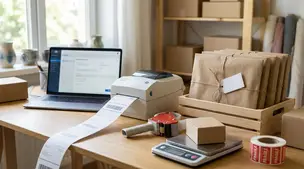
Streamline batch shipping on Etsy with a simple system that saves time, cuts postage costs, automates labels, and boosts order accuracy for happy repeat buyers.