

General
Psychological Pricing Strategies for Etsy
Boost Etsy sales with joyful psychological pricing tips—charm prices, anchoring, bundles, urgency and value cues tailored to handmade, digital and craft shops.

I’m a California-based Etsy seller, and I started selling small physical items (stickers and art prints) in mid-2025. I received a notice from the CDTFA saying I need to file a return by the deadline, but my total Etsy sales so far have been low and I’m not sure what I’m supposed to report.
Because I sell through Etsy to customers in other U.S. states, I’m confused about whether I still report anything to CDTFA, what numbers to use (gross sales vs. payouts), and how shipping charges and expenses factor in. What’s the correct way to complete a CDTFA filing when all my sales were made through Etsy?
Hi! If all of your sales were made through Etsy, the usual way to file a California CDTFA sales tax return is: report your Etsy “gross sales” for the period (what customers paid for the items, plus any shipping you charged), then take deductions so your “taxable sales” end up at $0—because Etsy (as a marketplace facilitator) is generally the one that collects and remits California sales tax on Etsy-facilitated sales shipped to California customers.
Here’s the clean, practical way to complete the filing when you only sell on Etsy:
1) Use “gross sales,” not payouts
2) What numbers to pull from Etsy
Use an Etsy report/export for the filing period (monthly/quarterly/yearly—whatever CDTFA assigned you). You want totals based on what buyers were charged:
Try to exclude “sales tax” that Etsy collected from customers (since that isn’t your revenue). If your Etsy report shows sales tax as a separate column/total, keep it separate.
3) Report “Total Sales,” then deduct what isn’t taxable to CDTFA
On the CDTFA return, you typically:
Common deductions that apply to Etsy-only sellers are usually along these lines (the exact labels can vary a bit in the online filing screens):
End result for many Etsy-only California sellers:
4) Shipping charges and expenses (quick clarity)
5) Don’t forget “use tax” (only if it applies)
Even if your taxable sales are $0, CDTFA returns often also ask about purchases subject to use tax (for example: you bought supplies/equipment from an out-of-state seller who didn’t charge CA tax). If that happened, you may need to report those purchases there. If all your purchases were taxed properly (or you didn’t have any), it may be $0.
One important note: If you truly only sell through Etsy and never make direct sales (your own site, in-person, wholesale, etc.), you typically shouldn’t end up owing California sales tax on those Etsy transactions—but since CDTFA already has you in a filing cycle, the key is filing on time and using the deductions so you don’t overpay.
If you tell me (1) your CDTFA filing frequency (quarterly vs annual), and (2) whether you had any California shipments at all in that period, I can walk you through exactly how to map your Etsy totals into the return fields without guessing.
Related questions
I sell digital downloads on Etsy and a buyer paid $6 for a $5 item, but the tax line is $0. What else could cause this, and can buyers add extra at checkout?
I shipped an Etsy international order via USPS, but tracking has been stuck for weeks after acceptance. What can I do, and when should I refund or replace?
My Etsy order tracking shows delivered, but the buyer says it wasn’t received. What should I do next to handle a refund, replacement, or claim?
I run an Etsy shop and a buyer wants a refund after the order shipped because they found a cheaper option. What’s the standard Etsy approach?
I run an Etsy shop and was charged an Offsite Ads fee, but the order isn’t labeled with the Offsite Ads icon. Where can I confirm the sale source?
I sell handmade items on Etsy and my customizable/personalized listings aren’t converting. What makes customization sell—photos, options, pricing, or processing time?
Related posts
Boost Etsy sales with joyful psychological pricing tips—charm prices, anchoring, bundles, urgency and value cues tailored to handmade, digital and craft shops.
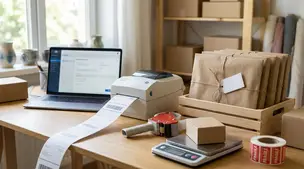
Streamline batch shipping on Etsy with a simple system that saves time, cuts postage costs, automates labels, and boosts order accuracy for happy repeat buyers.

Happy Etsy SEO tips for sellers: master keywords, titles, tags, photos, reviews, free shipping, and conversions to rank higher in Etsy search and boost sales.

Discover how long it really takes to make money on Etsy, with realistic timelines, proven shop-setup tips, SEO keywords, and fast first-sale strategies.

Discover exactly how many photos your Etsy listing really needs, with winning examples and photo ideas to boost clicks, buyer trust, and sales.

Holiday shipping deadlines guide for Etsy sellers with USPS, UPS, FedEx cutoff dates, processing times, packaging tips, and planning strategies to avoid late deliveries.