

General
How to Use Listing Videos to Increase Etsy Sales
Discover how to create high-converting Etsy listing videos that boost clicks, build buyer trust, showcase product details, and quickly increase your sales.

I’m a California-based Etsy seller and I started selling stickers and art prints in mid-2025. I’ve only had a small amount of revenue so far, but I received a notice from the CDTFA saying I need to file a return by an upcoming deadline.
Since Etsy is a marketplace, I’m not sure what I’m supposed to report on the CDTFA return (gross sales vs. taxable sales), whether I still need to file even if Etsy collected/remitted tax, and what records I should use if I didn’t receive a tax form from Etsy yet. What’s the correct way to file in this situation, and what information should I pull from Etsy to complete the return?
Hi! In California, if CDTFA has you set up with a seller’s permit (or a sales & use tax account) and they’ve assigned you a filing period, you generally still have to file the return by the deadline even if your tax due is $0—so don’t ignore the notice. For Etsy sales specifically: you usually report your Etsy sales in “total/gross sales,” then take a deduction for the portion of sales that were “marketplace facilitator” sales (Etsy-collected/remitted tax) so you don’t pay tax twice.
Here’s the practical way to handle a small Etsy-only shop in CA:
1) Figure out what you’re actually responsible for
2) What numbers to report (gross vs taxable)
On the CDTFA Sales & Use Tax Return, the safest approach (and what CDTFA expects for registered sellers) is:
This is the key idea: You’re not “skipping” Etsy sales—you're reporting them, then deducting them as marketplace-facilitated sales so they don’t become your taxable measure.
3) What to pull from Etsy (no 1099 needed)
You don’t need a 1099-K to file a CDTFA return. Use Etsy’s internal reports for the specific CDTFA reporting period (monthly/quarterly/etc.). What you want is order-level sales totals, not just deposits.
In Etsy Shop Manager, pull records like:
From those, you’re trying to total up (for the period):
Important: Don’t use “what hit my bank” as your gross sales. Payouts are net of fees, ads, postage labels, etc.
4) Filing workflow (what it looks like when you actually complete the return)
When you log into CDTFA and start the return:
If you had some direct sales, you’d only deduct the Etsy-facilitated portion, and you’d pay tax on the direct taxable portion.
5) Records to keep (in case CDTFA ever asks)
Keep a simple folder (PDFs/CSVs are fine) with:
6) If you think you shouldn’t have been required to file at all
CDTFA’s rules can be confusing here: if all your CA sales are marketplace sales, some sellers aren’t required to maintain a seller’s permit. But since CDTFA is actively telling you to file, the immediate priority is: file the return on time (even a $0 return) and then contact CDTFA afterward about whether your account should be closed or switched going forward. Don’t miss the deadline while you sort that out.
If you tell me your CDTFA filing frequency (monthly/quarterly/annual) and whether you had any non-Etsy sales, I can help you map exactly which Etsy totals to add up for that specific period.
Related questions
I run an Etsy shop selling digital planners and other digital downloads, but after daily listings, SEO, and ads I still get few sales—why and how to troubleshoot favorites without conversions?
I run an Etsy shop and want to know how January 2026 Etsy sales and views are trending, and what practical steps help boost traffic in a slowdown.
I’m a new New York Etsy seller and I’m confused about NY sales tax. If Etsy collects and remits tax, do I still need a Certificate of Authority and file returns?
I’m a California Etsy seller trying to file a CDTFA sales tax return with under $300 in Etsy sales, and I’m unsure what to report and which totals to use.
I’m new to Etsy and have had about 10 orders but only one review. What Etsy-appropriate ways can I encourage reviews without annoying customers?
My Etsy international order was returned unclaimed. Should I resend it and charge new shipping, or refund the item price and keep original postage?
Related posts
Discover how to create high-converting Etsy listing videos that boost clicks, build buyer trust, showcase product details, and quickly increase your sales.

Discover how more Etsy reviews boost buyer trust, improve your shop’s SEO, increase conversion rates, and drive consistent sales growth for your listings.

Discover why your Etsy sales dropped and boost revenue fast with fresh SEO, algorithm-proof visibility tips, seasonal strategies, pricing, photos, and conversion fixes.

Boost Etsy sales with Promoted Listings by targeting winning keywords, refining bids, testing ads, and optimizing high-converting product photos and pricing.
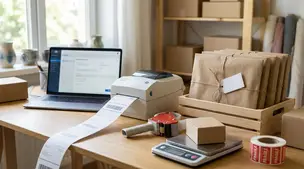
Streamline batch shipping on Etsy with a simple system that saves time, cuts postage costs, automates labels, and boosts order accuracy for happy repeat buyers.

Holiday shipping deadlines guide for Etsy sellers with USPS, UPS, FedEx cutoff dates, processing times, packaging tips, and planning strategies to avoid late deliveries.