

General
What to Do Before You Open an Etsy Shop
Get ready to open a successful Etsy shop with smart product ideas, branding, pricing, photos, SEO keywords, fees, policies, and launch marketing already planned.

I just opened a new Etsy shop selling my own original designs, and I’m trying to make sure my listings and shop setup look professional before I add more products. Over the next few weeks I plan to upload additional designs, and later expand into larger made-to-order pieces like lamps, one-off tables, and art items.
Could someone review my shop setup and current listings and tell me what the biggest fixes or missed opportunities are (photos, titles/tags, pricing, descriptions, policies, and overall branding) before I scale up?
Hi! I can definitely help—but I can’t actually “review your shop” yet because I don’t have your shop link or screenshots. If you paste your shop name and the text of 1–3 listings (title + first photo screenshot(s) + description + price + shipping/processing settings), I’ll give you very specific, prioritized fixes. In the meantime, here’s the quickest “new shop” checklist that catches most missed opportunities before you scale.
The biggest wins for new Etsy listings (in order):
Quick self-test: if someone saw only your first photo for 1 second, would they know exactly what it is and why it’s premium?
Tag approach that works:
Once I see that, I’ll reply with a short “fix this first” list (usually 5–10 concrete changes) plus optional “level-up” suggestions for when you expand into lamps/tables and made-to-order work.
Related questions
I sell handmade art on Etsy and want to add digital cross stitch/needlepoint patterns. Should I list them in my existing shop or open a separate pattern shop?
I found an Etsy shop that may be reselling mass-produced items and using car brand imagery. How do I report listings for misrepresentation or IP infringement?
My Etsy shop “All Time” stats by month look shifted by one month. Is this a normal Etsy Stats delay/timezone issue, and how can I confirm the correct month?
I sell hand-wrapped and hand-polished stones and I’m considering Etsy. Are Etsy listing/transaction fees worth it, and how much ongoing work does it take?
I run an Etsy shop and got a 4-star Etsy review with glowing comments. Should I message the buyer for feedback or leave it alone?
I sell digital downloads on Etsy and I’m updating my listing photos. What image size/aspect ratio works best so thumbnails don’t crop and text stays readable on mobile?
Related posts
Get ready to open a successful Etsy shop with smart product ideas, branding, pricing, photos, SEO keywords, fees, policies, and launch marketing already planned.

Learn how to set up Google Analytics 4 for your Etsy shop step by step to track traffic, buyer behavior, keywords, sales funnels, and marketing performance.

Discover why Etsy reviews sometimes don’t appear, from eligibility windows and policy removals to technical glitches, missing orders, and filtered star ratings.

Learn step‑by‑step how to offer local pickup on Etsy, set clear policies, use coupon codes, protect Star Seller stats, and keep in‑person handoffs safe.
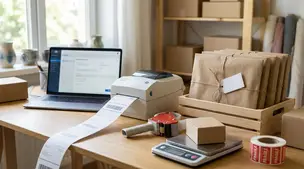
Streamline batch shipping on Etsy with a simple system that saves time, cuts postage costs, automates labels, and boosts order accuracy for happy repeat buyers.
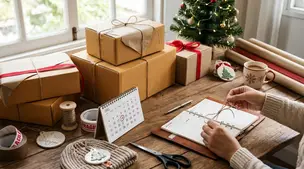
Holiday shipping deadlines guide for Etsy sellers with USPS, UPS, FedEx cutoff dates, processing times, packaging tips, and planning strategies to avoid late deliveries.