

General
How to Create a Quality Control Checklist for Etsy Orders
Quality control checklist for Etsy orders: verify personalization, inspect items, pack with a packing slip, add tracking, and catch errors before shipping.

I sell small, lightweight items on Etsy that could fit in an envelope, but my USPS package rates have increased a lot for long-distance orders. I use ShipStation and noticed it offers a “Letters” package type with lower pricing and size/thickness limits.
If I buy letter postage through ShipStation, will the tracking be reliable enough for Etsy, and does it still count for Etsy Seller Protection (or do I need to purchase this type of postage directly through Etsy)? Also, what’s the best way to package a letter so it’s safe in sorting machines—are thin bubble mailers or poly mailers likely to get treated as parcels even under 0.25" thick?
What’s the best approach for shipping these as letters while balancing cost, tracking, and damage risk?
Hi! If you ship Etsy orders as true USPS “letters” through ShipStation, you should assume the “tracking” (if any) won’t be reliable enough for Etsy Seller Protection—because Etsy’s protection requires valid tracking that shows the route + delivery progress, or (where available) a shipping label purchased on Etsy. In practice, ShipStation’s letter postage is often treated like regular letter mail with limited/no trackable events, so it can leave you exposed on “item not received” cases even if you mailed it on time.
If you want the best balance of low cost + the best chance of being covered, the most consistent approach is usually:
A few packaging realities (this is the part that trips people up):
1) Bubble mailers and most poly mailers usually behave like parcels in the real world
Even if you keep it under 0.25" thick, a bubble mailer tends to be squishy + uneven thickness, and sorting machines don’t love that. If it’s not consistently flexible/“machinable,” it can get:
2) “Letter-safe” packaging = flat, flexible, and uniformly thin
To have the best shot at qualifying as a letter and surviving machines, aim for:
If your item is even a little rigid (keychains, pins, small parts, anything that creates a “lump”), you’ll usually have fewer headaches sending it as a tracked parcel—even if it costs more—because you’ll reduce damage, “where is it?” messages, and protection risk.
My go-to “best approach” for Etsy sellers
If you tell me what the item is (just the type—no personal order details) and its typical thickness/rigidity, I can suggest the most “letter-safe” packaging setup or tell you candidly if it’s better treated as a parcel.
Related questions
I run a small Etsy shop and ship 10–15 orders daily. Is paying about $2 more for UPS vs USPS worth it for reliability, and how do I handle USPS claims or refunds when tracking doesn’t update or a package doesn’t arrive?
I sell lamps on Etsy with a remote using a CR2025 coin cell battery, and I want to follow USPS ground rules, packaging, labels, and limits.
My Etsy orders show USPS tracking stuck on "Accepted" after pickup for days. Is this common, and when should I open a USPS help request?
I sell stickers on Etsy via USPS letter/untracked shipping, and deliveries are late. What causes delays, and should I adjust Etsy settings or push tracked upgrades?
I sell small-batch cosmetics on Etsy and want durable labels that won’t fade. Should I use direct thermal or thermal transfer, and what materials work best for oily products?
I sell handmade crochet items and uncommon houseplants and want to reopen my Etsy shop, but I’m worried mass-produced listings and ads make it harder to compete.
Related posts
Quality control checklist for Etsy orders: verify personalization, inspect items, pack with a packing slip, add tracking, and catch errors before shipping.
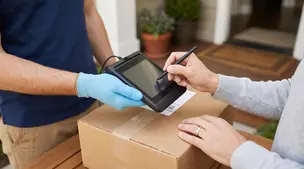
Learn when to require signature confirmation for Etsy orders to prevent package theft, protect high-value shipments, keep tracking valid, and boost buyer trust.

Stop surprise USPS adjustments and postage-due notices with accurate Etsy shipping profiles, correct package weights, dimensions, zones, and tracking every time.

Learn how Etsy sellers can calculate customs fees, charge VAT at checkout, avoid double taxation, set DDP vs DAP shipping, and keep international buyers happy.

Ship Etsy orders worldwide with confidence using clear customs forms, accurate HS codes, duties, taxes, and tariff info to avoid delays and surprise fees.

Etsy listing graphics that stay on-brand: clean text hierarchy, consistent colors and fonts, plus fast Canva templates for mobile-ready, uncluttered thumbnails.