

General
Etsy Featured Listings: How to Curate Your Shop Homepage
Etsy featured listings help spotlight bestsellers on your Shop Home; pick 4 (or sections), order them for cohesive photos, and rotate a queued set for seasons.

I’m a stay-at-home parent looking to start an Etsy shop while caring for a toddler at home. I make a variety of handmade craft items and kits (things like Cricut projects, needlework, and clay pieces), and I’m trying to set realistic expectations for income.
For sellers who started with handmade crafts or craft kits, how long did it take before you were earning consistent profit (not just a few sales), and what factors made the biggest difference early on?
Hi! For most handmade craft and craft kit sellers, “real money” usually doesn’t show up in the first few weeks—it’s more commonly a 3–6 month ramp to consistent sales if you list regularly and dial in Etsy SEO, and 6–12+ months to feel like you’re making steady profit that’s worth the time (especially while juggling toddler-life). Some people hit it faster with a super-specific product that’s in demand, but a lot of shops need a few seasonal cycles to learn what actually sells and to get enough listings and reviews for momentum.
A few things make the biggest difference early (and matter more than “hustling” longer hours):
1) One clear niche + a repeatable product
If your shop is “a bit of everything” (Cricut items + needlework + clay + kits), Etsy has a harder time figuring out who to show you to, and buyers don’t instantly “get” your shop. You’ll usually grow faster by starting with one category and one buyer type (example: “beginner embroidery kits for modern home decor” or “personalized clay dog ornaments”), then expanding after you’ve got traction.
2) Listing volume and consistency
Most new shops don’t take off on 5–10 listings. A really common turning point is when you’ve built a solid catalog (think: multiple variations, styles, price points) and you’re adding/refreshing listings consistently. Consistency matters because it forces iteration: better photos, better titles/tags, better pricing, better offers.
3) Profit math (time is your biggest cost)
“Consistent profit” comes when your products are designed for your real schedule. If you can only craft in short blocks, products that require long uninterrupted sessions can quietly kill profit. Early on, track:
Craft kits often win here because they’re batchable (prep 10–30 at once), and your time per order drops a lot.
4) Photos and clarity beat almost everything
New buyers decide in seconds. Bright, simple photos + a first photo that clearly shows “what it is” tend to outperform artsy shots. For kits, show: what’s included, finished example, size, skill level, and a clean “contents laid out” image.
5) Reviews + fulfillment reliability
Shops usually feel more “stable” after you’ve built a base of reviews and have tight processing times you can actually hit. With a toddler, it’s totally fine to set a longer processing time and under-promise—late shipments and stressed communication are what stall growth.
6) A small amount of testing (not endless tweaking)
In the first 60–90 days, you’re mostly collecting data: which keywords get views, which listings get favorites, which ones convert. Make one change at a time (main photo, price, title, variation) and give it a bit to breathe.
If you want a realistic expectation that fits your situation: aim for your first 1–3 months to be setup + testing, months 3–6 to be finding 1–3 “winners”, and months 6–12 to be scaling those winners (more variations, better batching, smoother shipping, occasional Etsy Ads if margins allow).
If you tell me (1) your rough weekly hours available, (2) your average price range, and (3) whether you prefer “custom” or “ready-to-ship,” I can help you set a more personal timeline and suggest which of your product types (Cricut vs kits vs clay vs needlework) is most likely to reach consistent profit fastest.
Related questions
I sell digital downloads on Etsy and a buyer paid $6 for a $5 item, but the tax line is $0. What else could cause this, and can buyers add extra at checkout?
I shipped an Etsy international order via USPS, but tracking has been stuck for weeks after acceptance. What can I do, and when should I refund or replace?
My Etsy order tracking shows delivered, but the buyer says it wasn’t received. What should I do next to handle a refund, replacement, or claim?
I run an Etsy shop in the EU and ship to the US. Do I need to physically sign and date the customs form, or is electronic submission enough?
I run an Etsy shop and saw a Seller Handbook article about truthful advertising and discounts. Is Etsy enforcing stricter pricing and sale rules?
I sell made-to-order items on Etsy and my listing auto-renews after a sale. Do I still pay the renewal fee, and can I avoid extra costs?
Related posts
Etsy featured listings help spotlight bestsellers on your Shop Home; pick 4 (or sections), order them for cohesive photos, and rotate a queued set for seasons.

Selling jewelry on Etsy: List exact metals, flag nickel sensitivity, and support hypoallergenic wording with supplier docs or testing to reduce buyer issues.

Etsy Materials and Occasion fields can boost visibility when chosen for buyer filters; match category, avoid guesswork, and align tags with real intent.

Happy Etsy SEO tips for sellers: master keywords, titles, tags, photos, reviews, free shipping, and conversions to rank higher in Etsy search and boost sales.
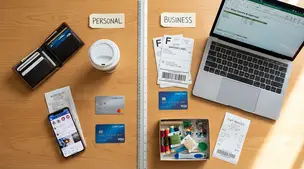
Separate personal and business finances by using a dedicated bank account and card, tracking Etsy fees and payouts, and keeping clean, tax-ready records.

Product spec sheets for Etsy items record SKUs, materials, measurements, photos, packaging, and QC checkpoints so reorders reliably match what customers expect.