

General
How Much Money Can You Make Selling on Etsy?
Discover realistic Etsy income ranges, profit margins, fees, and proven tips to boost sales so you can grow your handmade or digital product shop confidently.

I recently opened an Etsy shop, and I’m planning my next product, so I’ve been researching similar listings and typical pricing.
For this specific idea, most of what I’m finding appears to be AI-generated designs being sold as if they were made by a person, and I’m not seeing many genuinely handmade or original versions. I can’t tell whether that means there’s low demand, or if it’s an underserved niche where an authentic product could stand out.
How can I evaluate demand and decide whether it’s worth launching this listing on Etsy, and are there any risks or best practices when competing in a category that’s currently dominated by AI-style listings?
Hi! If you’re mostly seeing AI-style listings, that doesn’t automatically mean “no demand” — it often means the niche is getting flooded because it’s easy to mass-produce. The quickest way to decide is to validate buyer intent (are people actually purchasing this type of item?) and then test whether your version can stand out with real differentiation (original design, better photos, personalization, quality, and clear positioning).
Here’s a practical way to evaluate demand (without guessing):
Best practices when competing in an AI-dominated category:
If you tell me whether your product is physical or digital, and what category it’s in (wall art, POD apparel, invitations, stickers, etc.), I can suggest a quick “demand checklist” for that exact type and what to look for in competing listings.
Related questions
I sell physical items on Etsy and a customer bought 3 variations in one order, but Etsy prompts me to buy 2 shipping labels—can I ship in one box without affecting tracking?
I opened a new Etsy shop and Etsy is holding my funds for 14 business days. Is this a temporary reserve for new shops or a permanent payout schedule?
I’m a newer Etsy seller and need to ship two separate Etsy orders together. Can I buy one shipping label and mark both orders shipped with tracking?
I sell digital artwork on Etsy and keep seeing digital downloads labeled “hand drawn” that look AI-generated. What’s the best way to report them to Etsy?
I’m starting an Etsy sticker shop and want to know if Etsy SEO and branding work better with one niche theme first or multiple themes to test sales.
I sell handmade items on Etsy and made-to-order listings stress me out when they sell. Should I pause them, switch to ready-to-ship, or adjust policies?
Related posts
Discover realistic Etsy income ranges, profit margins, fees, and proven tips to boost sales so you can grow your handmade or digital product shop confidently.

Learn how to break even faster on Etsy with smart pricing, fee-cutting tactics, bestseller research, SEO-powered listings, and affordable Etsy Ads strategies.
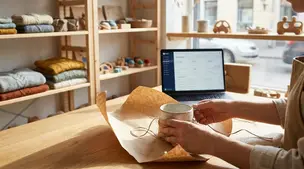
Discover why selling on Etsy boosts your handmade brand visibility, low startup costs, built-in traffic, loyal buyers, and flexible, low-risk income.

Discover exactly what you can sell on Etsy—from handmade crafts and digital downloads to vintage treasures and craft supplies—and start growing a joyful shop today.

Learn how to create private Etsy custom listings step by step, reserve items for one buyer only, manage custom orders, protect pricing, and boost shop sales.
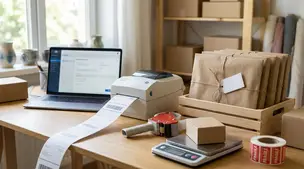
Streamline batch shipping on Etsy with a simple system that saves time, cuts postage costs, automates labels, and boosts order accuracy for happy repeat buyers.