

General
How to Recover a Dead Etsy Listing
Revive dead Etsy listings with smart SEO, renewal timing, fresh photos and keywords that boost traffic, restore visibility and get your shop selling again.

I opened an Etsy shop about a month ago selling my watercolor artwork (originals and/or prints), but I haven’t had any sales yet. I’m proud of the work, but I’m not sure if the lack of traction is because the art style isn’t a good fit for buyers, or if my shop setup and marketing are the bigger issue.
I haven’t promoted much on social media and I’m not asking friends or family to buy, so I’m relying mostly on Etsy search and organic traffic. I’m also still figuring out my niche and whether I should keep adding new listings.
How can I tell if my slow start is due to product quality versus SEO/listing setup, and what are the best steps to get my first sale and more visibility?
Hi! A month with no sales on Etsy (especially without social media) usually points more to visibility + listing conversion than “your art isn’t good enough.” The easiest way to tell is: if you’re getting views but not favorites/carts/sales, it’s mostly a listing/pricing/trust issue; if you’re getting almost no views, it’s mainly Etsy SEO (keywords) and not enough listings for Etsy search to test.
Here’s a simple way to diagnose it quickly:
1) Check Etsy Stats like a detective (not your feelings)
Look at the last 30 days and ask:
A healthy shop doesn’t need a huge audience, but it does need Etsy to understand what you sell and buyers to feel confident buying it.
2) Separate your shop into clear “buyer intent” buckets
Watercolor is broad. Buyers don’t search “beautiful watercolor,” they search:
Pick 1–2 themes you can repeat for the next 20–40 listings. This isn’t boxing yourself in forever—it’s helping Etsy understand your shop and helping buyers recognize you.
3) Do the fastest SEO win: make every listing ultra-specific
For each Etsy listing, you want one “main query” you’re targeting. Then:
If you’re unsure what keywords people actually use, Etsy search autocomplete is your friend: start typing “watercolor…” and write down what Etsy suggests.
4) Fix conversion basics (this is where great art still loses sales)
For originals and prints, buyers need clarity and confidence. Make sure you have:
5) Add more listings (strategically), not randomly
If you only have a handful of listings, Etsy just has fewer chances to match you to searches. A good short-term goal is 20–40 listings, but do it in a focused way:
6) Don’t ignore “trust” setup (new shops need it)
Before your first sale, buyers are extra cautious. Make sure you’ve completed:
7) Quick visibility boost (optional, but effective)
If you can spare a small test budget, try Etsy Ads on your best 3–8 listings for 7–14 days. Don’t treat it as “buy sales”; treat it as “buy data”:
8) How to know if it’s “product/market fit”
It’s rare that the art is the problem if:
It’s more likely “fit” if you’ve improved SEO/photos, you’re getting steady views (say, a few hundred+ across the shop), and you still see almost zero favorites/carts over time. Then you may need to adjust subject matter, format (prints vs originals), or the way you describe it to match what buyers want (room decor themes, giftable angles, color palettes).
If you want, paste one of your listing titles + the first 3–5 tags + your main photo description (no personal info), and I’ll tell you exactly what I’d tweak first to get Etsy search traction and a better conversion rate.
Related questions
I opened a new Etsy shop and got one friend sale, but no views or orders since. How long until a first real Etsy sale, and what early steps help?
I started a percentage-off Etsy sale, but it shows on my storefront and not in Shop Manager on mobile. How can I find and edit the active sale?
I updated my Etsy listing description with a longer processing time, but a buyer referenced the old turnaround. Can Etsy show a cached version?
I sell 3D-printed tools on Etsy with a small maker’s mark, and a buyer complained in a review. Should I cancel or refuse future orders from them?
I run an Etsy shop selling handmade items and I’m considering Etsy Pattern. Does it bring sales outside Etsy, or is it mainly for branding and sending my own traffic?
I sell physical items on Etsy and a customer bought 3 variations in one order, but Etsy prompts me to buy 2 shipping labels—can I ship in one box without affecting tracking?
Related posts
Revive dead Etsy listings with smart SEO, renewal timing, fresh photos and keywords that boost traffic, restore visibility and get your shop selling again.

Learn how to create private Etsy custom listings step by step, reserve items for one buyer only, manage custom orders, protect pricing, and boost shop sales.

Discover exactly how many photos your Etsy listing really needs, with winning examples and photo ideas to boost clicks, buyer trust, and sales.

Discover if free shipping on Etsy fits your handmade shop, weighing search boost, conversion rates, profit margins, product pricing, and buyer expectations.
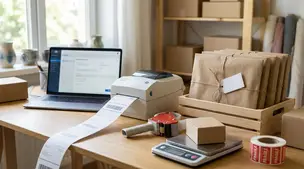
Streamline batch shipping on Etsy with a simple system that saves time, cuts postage costs, automates labels, and boosts order accuracy for happy repeat buyers.

Holiday shipping deadlines guide for Etsy sellers with USPS, UPS, FedEx cutoff dates, processing times, packaging tips, and planning strategies to avoid late deliveries.