
General
How Much Money Can You Make Selling on Etsy?
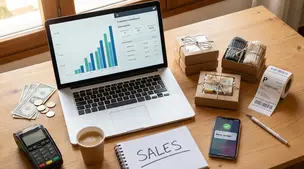
Discover realistic Etsy income ranges, profit margins, fees, and proven tips to boost sales so you can grow your handmade or digital product shop confidently.

I’m getting ready to open an Etsy shop to sell digital products, and I’m not sure what steps to take first.
What do I need to set up before I list my first digital download (shop settings, listing photos, file delivery, pricing, tags/SEO, and policies), and what are the most common mistakes new digital sellers should avoid?
Hi! Before you publish your first Etsy digital download, get your shop foundation (payments, branding, FAQs) and your “file package + instructions” nailed down first—then build listings around clear mockups and strong Etsy SEO (titles/tags/attributes). That order prevents most beginner headaches like confused buyers, file issues, and weak search visibility.
Shop basics
Payments + admin
Policies / expectations (digital-specific)
Choose your delivery type
Package your files like a pro
Always test your buyer experience
Your photos are doing the job of a physical product—make them extremely clear:
Price based on (1) value to the buyer, (2) niche competition, and (3) your costs/fees/time.
Goal: match real search phrases buyers type, not single-word “vibes.”
If you tell me what kind of digital products you’re selling (printable wall art, Canva templates, SVGs, Procreate brushes, planner pages, etc.), I can give you a tight “setup checklist” for that specific type, including suggested file formats and a strong title/tag formula.
Related questions
I sell physical items on Etsy and a customer bought 3 variations in one order, but Etsy prompts me to buy 2 shipping labels—can I ship in one box without affecting tracking?
I opened a new Etsy shop and Etsy is holding my funds for 14 business days. Is this a temporary reserve for new shops or a permanent payout schedule?
I’m a newer Etsy seller and need to ship two separate Etsy orders together. Can I buy one shipping label and mark both orders shipped with tracking?
I sell digital artwork on Etsy and keep seeing digital downloads labeled “hand drawn” that look AI-generated. What’s the best way to report them to Etsy?
I run an Etsy shop and a buyer wants a refund for a custom order placed during my vacation; it’s still within the processing window. What should I do?
I’m seeing Etsy listing renewal fees charged after an item sells before the 4-month term ends. Is this normal for auto-renew, and should I use manual renew?
Related posts
Discover realistic Etsy income ranges, profit margins, fees, and proven tips to boost sales so you can grow your handmade or digital product shop confidently.

Learn how to break even faster on Etsy with smart pricing, fee-cutting tactics, bestseller research, SEO-powered listings, and affordable Etsy Ads strategies.

Discover why selling on Etsy boosts your handmade brand visibility, low startup costs, built-in traffic, loyal buyers, and flexible, low-risk income.

Discover exactly what you can sell on Etsy—from handmade crafts and digital downloads to vintage treasures and craft supplies—and start growing a joyful shop today.

Discover exactly how many photos your Etsy listing really needs, with winning examples and photo ideas to boost clicks, buyer trust, and sales.
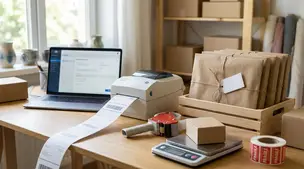
Streamline batch shipping on Etsy with a simple system that saves time, cuts postage costs, automates labels, and boosts order accuracy for happy repeat buyers.